
Most of us press a button on our remote, watch the garage door glide open, and never give it a second thought. But that smooth motion is actually a finely tuned ballet performed by dozens of heavy-duty parts working in perfect harmony.
As the largest moving object in your home, your garage door relies on an intricate network of structural, mechanical, and electronic components. Understanding how these parts function is crucial for routine home maintenance, keeping your family safe, and catching minor issues before they turn into incredibly expensive repairs. Let’s break down the complete anatomy of a garage door system.
Garage Door Parts Diagram

Main Structural Parts of a Garage Door
The structural components make up the actual body of your garage door and provide the barrier between your home and the outside world.
Garage Door Panels
Panels are the large, interlocking sections that make up the visible surface of the door. Instead of being one solid piece of wood or metal, residential doors are built in sections so they can flex and roll up along a curved track. Panels come in various materials:
-
Steel: The most popular choice due to its durability, low maintenance, and design versatility.
-
Wood: Offers unmatched natural beauty and high-end curb appeal, but requires regular staining or painting to prevent rot.
-
Aluminum & Glass: Extremely modern, lightweight, and perfect for letting in natural light.
-
Fiberglass: Resistant to salt air and denting, making it ideal for coastal regions.
Beyond looks, panels heavily impact your home's energy efficiency. Many modern panels feature a sandwich construction filled with polyurethane or polystyrene insulation, which regulates your garage's temperature and lowers energy bills.
Garage Door Frame
The frame acts as the foundational skeleton surrounding the garage opening. It supports the vertical tracks and provides the solid anchoring points required to hold the immense weight of the door. A properly aligned and sturdy frame ensures that the door doesn't lean or scrape against the house as it moves.
Weather Seals and Bottom Seal
Often called the astragal, the bottom seal is a thick rubber or vinyl strip attached to the lower edge of the bottom panel. When closed, it compresses against the garage floor to block out wind, rain, snow, dirt, and pests. Additionally, perimeter weather stripping lines the top and sides of the frame. Together, these seals form a tight envelope that drastically improves your garage’s insulation.
Mechanical Movement System
The mechanical movement system consists of the hard-working components that physically guide the door as it shifts from horizontal (open) to vertical (closed) positions.
Garage Door Tracks
Your garage door runs along a pair of steel tracks—one on each side. The system features vertical tracks attached to the frame next to the door opening, which curve into horizontal tracks suspended from the garage ceiling. These tracks act as a continuous railway, guiding the door safely over your head.
Rollers
Rollers are the small wheels anchored to the sides of the door panels that ride inside the tracks. They come in three primary varieties:
-
Plastic: Cheap and common in builder-grade homes, but they crack easily and wear down fast.
-
Steel: Highly durable and capable of holding heavy doors, but they can be incredibly loud and require frequent lubrication.
-
Nylon: The gold standard. They feature ball bearings that glide smoothly, last for years, and operate quietly.
Hinges
Because a garage door must bend to navigate the curved track, the individual panels are bound together by heavy-duty steel hinges. Center hinges hold the panels flat against each other, while end hinges (located on the far left and right) hold the panels together and feature a small tube to hold the roller stems in place.
Counterbalance System
Here is a fascinating truth: your garage door opener doesn't do the heavy lifting. A standard double-car garage door can weigh anywhere from 150 to over 300 pounds. The opener simply directs the movement; it is the counterbalance system that offsets the weight, making a heavy door feel light enough to lift with one hand.
Torsion Springs
Torsion springs are tightly wound coils mounted horizontally on a metal shaft directly above the garage door opening. When the door closes, cables attached to the bottom corners pull on the shaft, tightly winding the springs and storing massive amounts of mechanical energy. When you open the door, that energy unwinds, spinning the shaft and lifting the door.
Extension Springs
Unlike torsion springs, extension springs are located horizontally above the side tracks on both sides of the door. Instead of winding up to create torque, they lift the door by physically stretching out when the door is closed and contracting when it opens. While cheaper to install, extension springs are generally considered less safe and less durable than torsion systems.
Cables
Lifting cables are heavy-duty, aircraft-grade wire ropes that work directly with your springs. In a torsion system, they attach to the bottom fixtures of the door and wrap around drums at the ends of the spring shaft.
Critical Safety Warning:
The springs and cables are under extreme, potentially lethal tension. If a cable frays or a spring snaps, it can cause severe injury or property damage. Never attempt to adjust, loosen, or replace springs or bottom cable fixtures yourself—always leave this to a certified technician.
Garage Door Opener System
The opener system acts as the "brains" and motorized muscle of the entire operation, automating the process so you never have to step out into the rain to open your door.
Motor Unit (Garage Door Opener)
This is the motorized box mounted to your garage ceiling. Inside is an electric motor that dictates when the door opens, when it stops, and how fast it moves. Garage door openers generally feature one of three drive types:
-
Chain-Drive: Uses a metal chain similar to a bicycle. It is incredibly strong and affordable, but it is the loudest option.
-
Belt-Drive: Uses a rubber reinforced belt. It is just as strong as a chain but runs almost silently, making it ideal if you have a bedroom above the garage.
-
Screw-Drive: Uses a threaded steel rod to move the mechanism. It has fewer moving parts and requires low maintenance, though it can struggle in extreme temperature climates.
Rail and Trolley System
Extending from the motor unit to the wall above the garage door is a long steel rail. Inside or along this rail rides the trolley (also called the carriage). The trolley is physically linked to the top panel of the garage door via a metal drawbar arm. When the motor spins, it drives the chain or belt, pulling the trolley along the rail to operate the door.
Remote Controls & Wall Switch
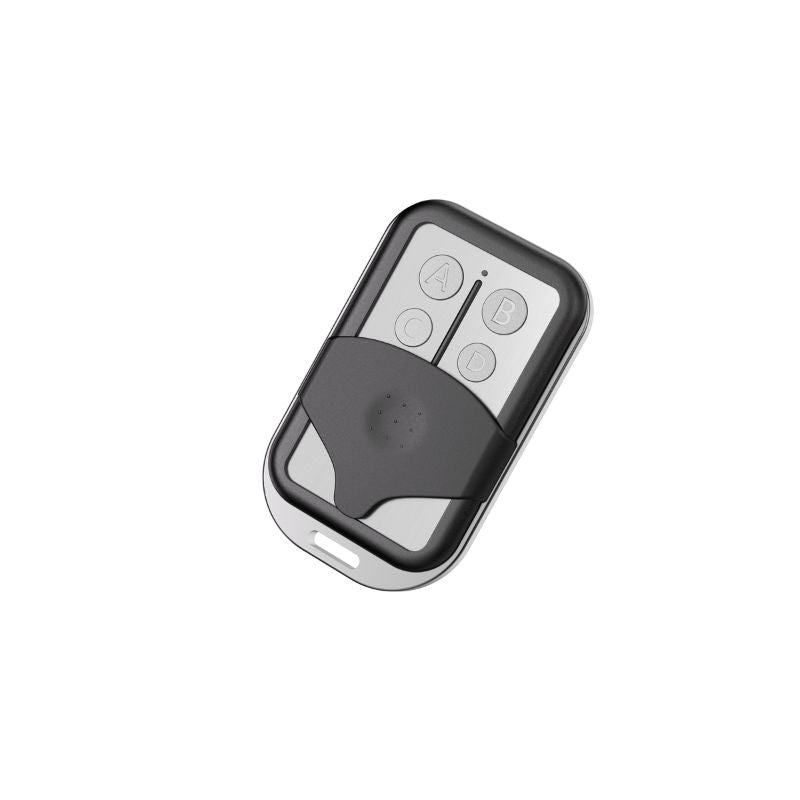
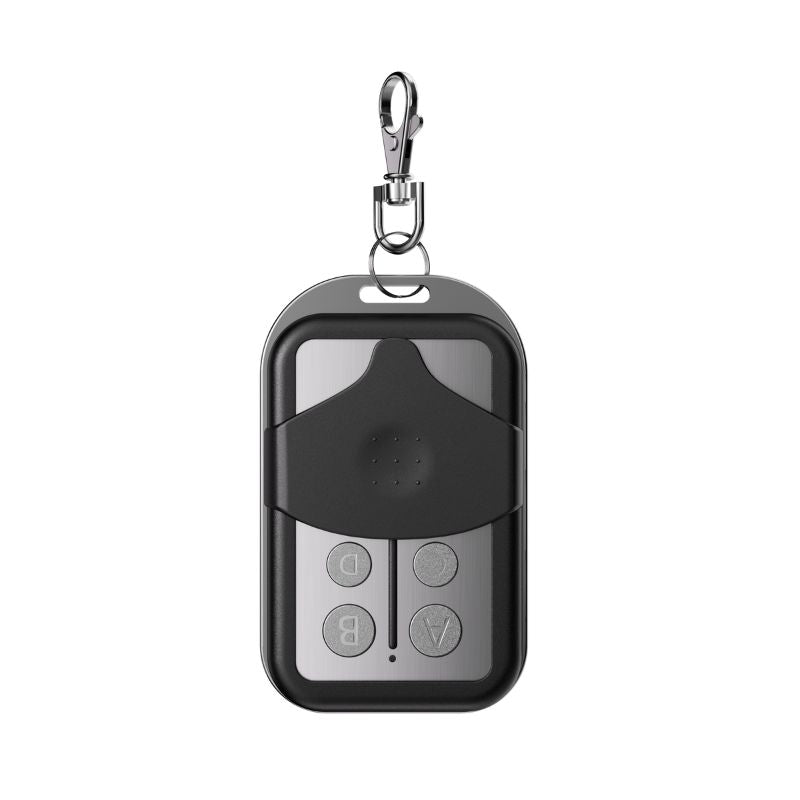
To trigger the motor, you use user interfaces. The wall switch is hardwired inside the garage (usually next to the access door to the house), while remotes use radio frequencies to trigger the door from your car. Modern smart garage door systems connect directly to your home Wi-Fi, allowing you to monitor, open, or close your garage from anywhere in the world using a smartphone app.
Safety Components
Because garage doors are so heavy and mechanized, federal laws require strict safety components to prevent entrapment and crush injuries.
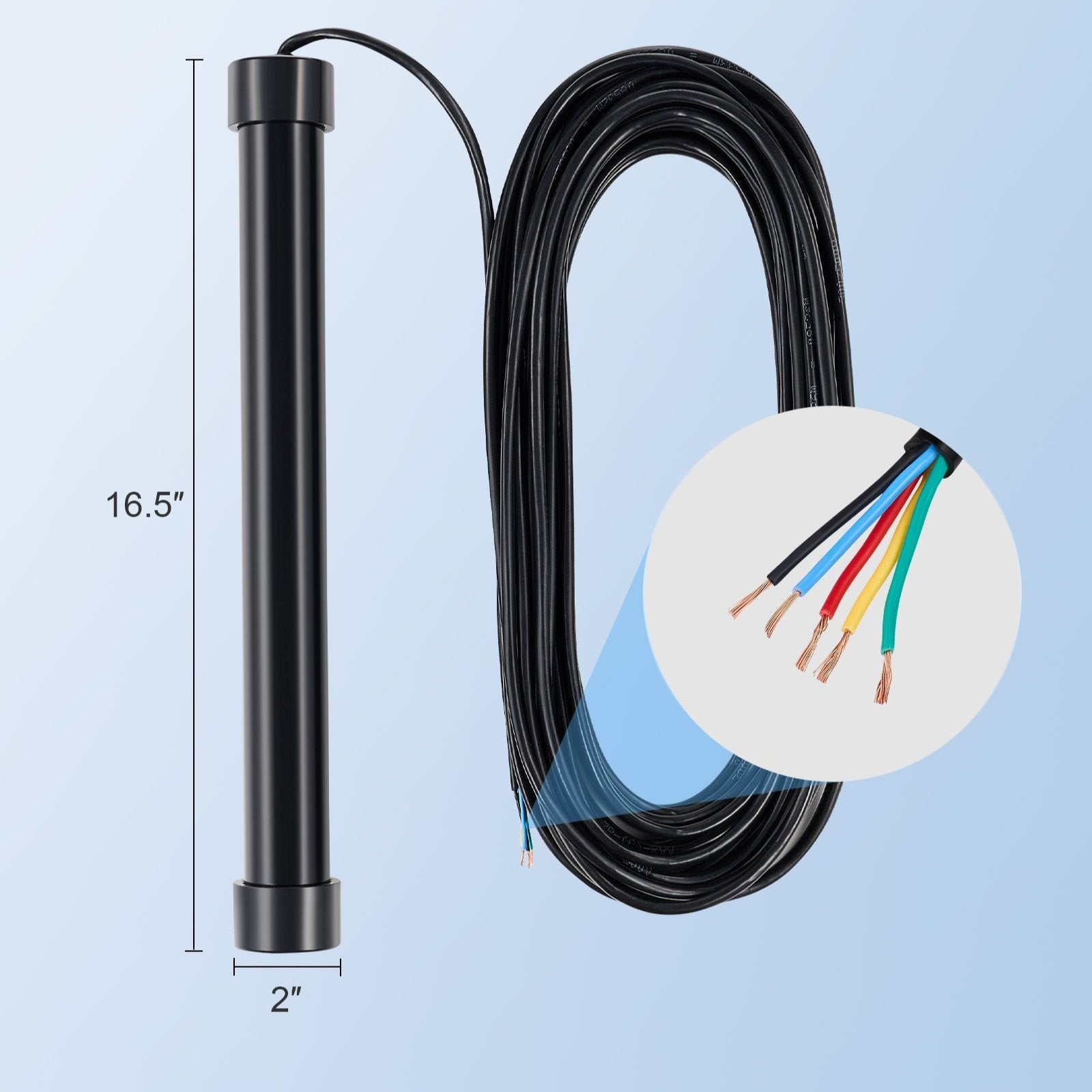
Safety Sensors (Photo Eyes)
Mounted roughly six inches above the floor on both sides of the garage door tracks are the safety sensors. One sensor emits an invisible infrared light beam to the receiving sensor on the opposite side. If anything breaks this beam—a child, a pet, a stray garbage can, or a car bumper—while the door is closing, the system instantly stops and reverses the door back to the fully open position.
Manual Release Handle
Hanging down from the trolley rail system is a bright red cord with a plastic handle. This is your manual emergency release. Pulling this cord disconnects the trolley from the opener's drive chain or belt. This allows you to safely lift and lower the garage door manually by hand during a power outage or a motor malfunction.
Supporting Hardware & Accessories
While small, these supporting pieces tie the structural and mechanical systems together.
Brackets and Reinforcement Struts
-
Top and Bottom Brackets: Secure the uppermost and lowermost rollers to the door panels.
-
Reinforcement Struts: Long, horizontal steel bars fastened across the inside of the door panels. They prevent the panels from bowing or bending under wind pressure or from their own weight when left in the open position over long periods.
Locking Mechanisms
While your automated opener acts as a digital lock by holding the trolley in place, many doors feature physical locking mechanisms for added security. This includes manual slide bars that lock into the tracks from the inside, or electronic smart locks that automatically shoot a deadbolt into the track every time the door closes.
Common Garage Door Problems Related to Parts
Because all these parts rely on one another, a single failure can bring the entire system to a screeching halt. Here are the most common part-related culprits:
-
Broken Springs: You will know this happened if you hear a sound like a gunshot coming from your garage, or if the motor whines but the door refuses to lift.
-
Misaligned Tracks: If a track gets bumped by a car or a bolt wiggles loose, the tracks can become crooked, causing the door to bind, jam, or shake violently.
-
Worn Rollers: Over time, roller bearings seize up. This leads to friction, a scraping metal-on-metal sound, and unnecessary strain on your motor.
-
Sensor Failures: If your door starts to close but immediately reverses for no apparent reason, your photo eyes are likely misaligned, blocked by cobwebs, or blinded by direct sunlight.
-
Motor Issues: If the opener makes grinding noises but the door doesn't move, the internal nylon gears inside the motor unit may be stripped and require replacement.
Maintenance Tips for Garage Door Parts
You don't need to be a mechanical engineer to keep your garage door running smoothly. A little preventative maintenance goes a long way.
-
Lubrication Schedule: Every six months, spray a dedicated garage door lithium- or silicone-based lubricant on the hinges, rollers (specifically the bearings), and springs. Avoid using WD-40, as it acts as a degreaser and will actually strip away necessary lubrication.
-
Tighten the Hardware: Because a garage door vibrates constantly, bolts can back themselves out. Use a socket wrench to periodically tighten the nuts on the hinges and track brackets.
-
Clean the Tracks and Sensors: Wipe out the inside of your tracks with a damp rag to clear away grease and dirt buildup. Use a microfiber cloth to keep the glass lenses on your safety photo eyes clear.
-
Know Your Limits: While tightening a hinge or wiping down a track is a great weekend DIY project, never touch the counterbalancing system. If your springs are squeaking heavily, your cables look frayed, or your door feels heavy during a manual check, call a certified garage door technician immediately.
Conclusion
Your garage door is a remarkable piece of everyday engineering. From the insulating panels and smooth-gliding nylon rollers to the high-tension springs doing the heavy lifting, every single part plays a vital role in protecting your home and keeping your daily routine seamless.
By taking twenty minutes twice a year to look over these components, clean the tracks, and apply a bit of lubricant, you can extend the lifespan of your garage door system by years, save thousands on emergency repairs, and guarantee peace of mind every time you push that remote button.
Learn More:
How to Fix a Garage Door Sensor? (Easy DIY Fix)
How to Lubricate A Garage Door: Step-by-Step Guide
Why Is My Garage Door Opener Beeping?
What Size Garage Door Opener Do I Need? Complete Guide
How Long Does a Garage Door Opener Last?
How Does a Wall-Mounted Garage Door Opener Work?
What Is a Smart Garage Door Opener?
Garage Door Opener Not Working When Cold
FAQ
What are the most common garage door repairs?
The most common garage door repairs include broken torsion or extension springs, worn or frayed cables, misaligned or bent tracks, malfunctioning garage door openers, and worn rollers or hinges. These parts experience frequent stress during daily use, so they tend to fail over time, especially without regular lubrication and maintenance.
Can you buy just a section of a garage door?
Yes, in many cases you can buy and replace just a single section (panel) of a garage door if the model is still in production and the damage is limited to one section. However, color matching and structural compatibility can sometimes be an issue, and older doors may require full replacement instead.
What are the names of door parts?
The main door parts include panels (door sections), hinges, rollers, tracks, bottom seal, top seal, and reinforcement struts. In addition to these, the system also includes mechanical parts like springs, cables, and the opener, which help move and support the door.
What is the average price to repair a garage door?
The average cost to repair a garage door typically ranges from $150 to $600, depending on the type of repair needed. Minor fixes like sensor adjustment or lubrication are cheaper, while spring replacement, cable repair, or opener replacement can be more expensive due to labor and part costs.
Can I repair my garage door myself?
Some minor garage door maintenance tasks, such as lubricating rollers, tightening hardware, or cleaning sensors, can be done safely by homeowners. However, repairs involving torsion springs, cables, or opener mechanisms are dangerous and should usually be handled by a professional due to the high tension and risk of injury.
Why is my garage door not closing and going back up?
A garage door that won’t close and reverses back up is usually caused by misaligned or blocked safety sensors, dirty sensor lenses, damaged tracks, or incorrect travel limit settings on the opener. In some cases, even small obstructions or weak batteries in the remote can trigger this safety reversal feature.