
Cold weather doesn’t just “break” a garage door opener for no reason. It usually exposes an underlying issue. Understanding what’s actually happening before taking action matters for two reasons.
- First, it helps you avoid wasting money on the wrong fix.
- Second, it enables you to address the root cause rather than just treating the symptoms.
In many cases, what looks like a failing opener is really a lubrication issue, a battery problem, or even something as simple as metal contracting in the cold.
 Common Causes of a Garage Door Opener Not Working in the Cold
Cold weather affects mechanical systems in predictable ways; things contract, fluids thicken, and electronics become less efficient. Here are the most common culprits:
1. Thickened or Improper Lubrication
If your door opener struggles to open or moves more slowly than usual when it gets cold, the opener sounds like it is straining, but works fine later in the day when temperatures rise, it is likely that the lubrication is thickened or improper.
Why This Happens
Lubricants can thicken or even harden in low temperatures, especially if they’re not designed for cold weather. This increases friction in rollers, hinges, and tracks, making it harder for the opener to do its job.
What To Do
- Use a garage-door-specific or low-temperature lubricant
- Re-lubricate rollers, hinges, and springs (not the track itself)
- Avoid heavy grease, as it tends to get sluggish in the cold
2. The Metal is Contracted, and Some Components are Tight
If the door sticks or jerks when starting, makes grinding or popping noises, and you notice a slight misalignment, the metals are likely contracted, and some of the components are tight.
Metal contracts in cold temperatures. This can cause tightened tolerances in tracks, springs, and hardware, leading to increased resistance.
What To Do
- Check track alignment and spacing
- Inspect for warped or bent sections
- Slight adjustments or loosening overly tight hardware can help
 3. Weak or Failing Capacitor (Opener Motor)
If the motor hums but doesn't start properly, the opener struggles more in cold weather than usual, but works better after multiple attempts, it may be because the motor is weak or failing.
The capacitor helps start the motor. Cold temperatures can reduce its efficiency, especially if it’s already aging.
What to do:
- Replace the capacitor if it’s old or weak
- If unsure, have a technician test the motor components
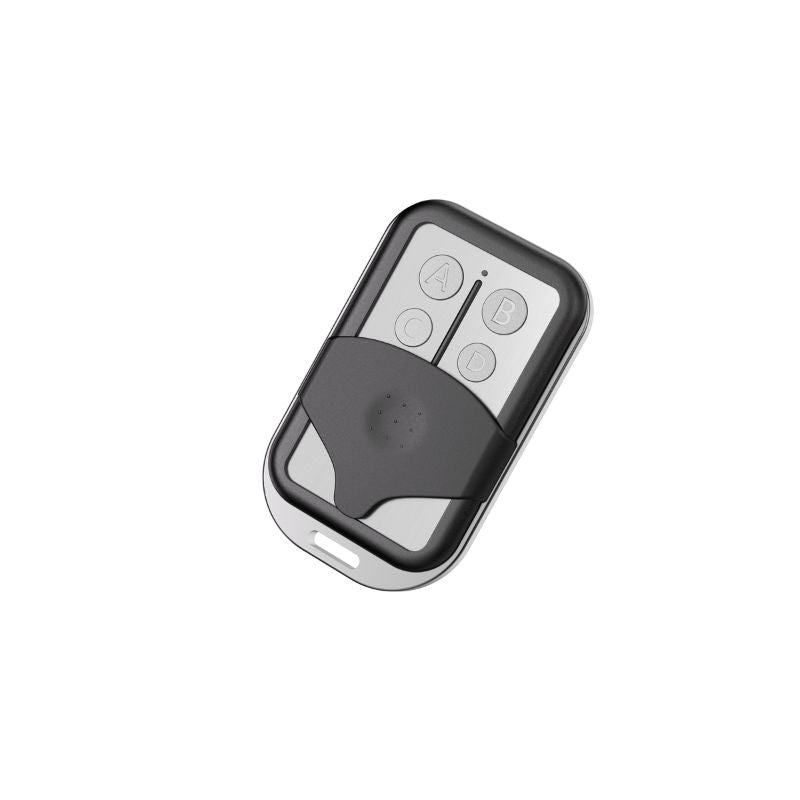
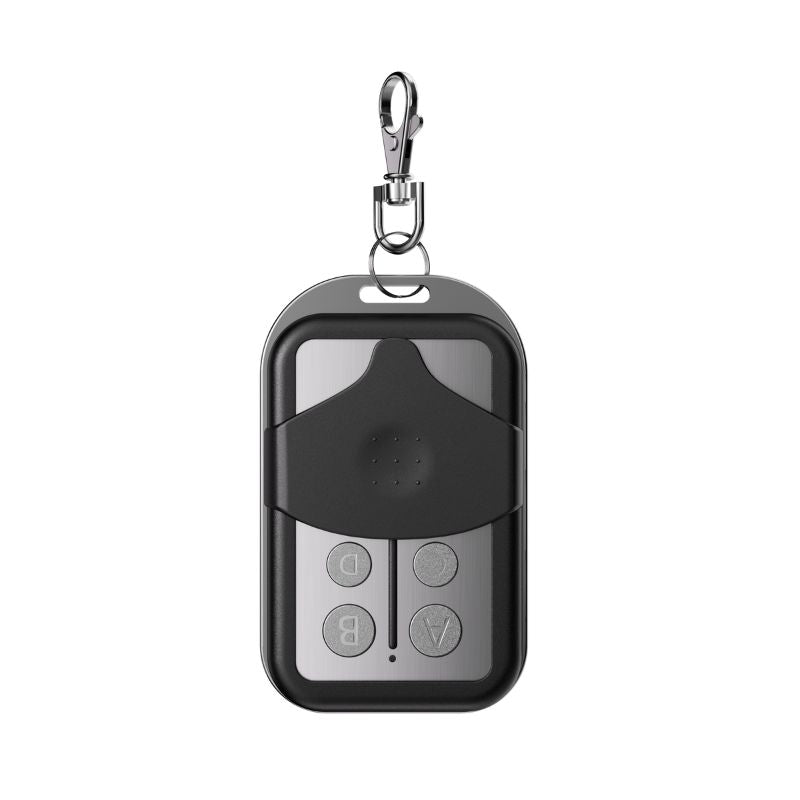
4. Remote Control Battery Issues
If the remote control works intermittently or only at close range, or works indoors but not outside, the battery has likely lost power. Batteries generally lose power faster in cold weather. Lower temperatures reduce their voltage output, making signals weaker.
What to do:
- Replace batteries with fresh, high-quality ones
- Keep remotes indoors when possible
5. Frozen or Stiff Weather Seals
If the garage door opener won’t open at all, and the bottom of the door feels “stuck” to the ground, the problem may be frozen or stiff weather seals. This happens because moisture can freeze along the bottom seal, effectively gluing the door shut.
What to do:
- Gently break the seal (never force the opener)
- Clear ice buildup and keep the area dry
- Apply a silicone-based protectant to the seal
Tips to Protect Your Garage Door Opener from the Cold
Once you understand the causes, prevention becomes much easier and cheaper.
- Keep everything properly lubricated: Use lubricants rated for low temperatures and apply them regularly during colder months. This alone prevents a huge percentage of winter issues.
- Insulate the garage: Even basic insulation helps stabilize temperature swings. You don’t need a fully climate-controlled garage; just reducing extremes makes a difference.
- Perform seasonal maintenance: Before winter hits, tighten the hardware, check the springs and cables, and test the gate’s balance (a poorly balanced door strains the opener more in cold weather)
- Upgrade the weather seals: Good seals keep out moisture and cold air, reducing freezing and contraction issues.
- Keep electronics warm (when possible): If your opener is in an uninsulated garage, even a slight improvement in ambient temperature helps preserve battery and motor performance.
Signs of a High-Quality Garage Door Opener That Withstands Cold
If you’re thinking long-term, especially if you live in a colder climate, it’s worth paying attention to build quality. Not all openers handle winter equally.
- A strong motor with consistent torque: A quality opener maintains steady performance even when resistance increases, which is exactly what happens in cold weather.
- Durable internal components: Look for units with high-quality capacitors, gears, and electronics designed to handle temperature fluctuations without degrading quickly.
- Smooth start/stop technology: This reduces strain on the system, especially when parts are stiff from the cold.
- Reliable battery backup system: Cold weather exposes weak batteries. A good opener has a robust backup system that still functions when temperatures drop.
- Weather-resistant design: Better-sealed housings and protected electronics prevent condensation and frost from interfering with operation.
Final Thoughts
A garage door opener that struggles in the cold is rarely “just a winter problem.” It’s usually a sign that something, lubrication, alignment, or components, isn’t performing the way it should.
The good news? Most of these issues are simple, predictable, and fixable once you know what to look for. With a bit of maintenance and the right setup, your garage door should work just as smoothly on a freezing morning as it does on a warm afternoon.
Discover whether garage door openers use batteries and how that can help you maintain your gate opener.
Learn More:
How to Fix a Garage Door Sensor? (Easy DIY Fix)
How to Lubricate A Garage Door: Step-by-Step Guide
Why Is My Garage Door Opener Beeping?
What Size Garage Door Opener Do I Need? Complete Guide
How Long Does a Garage Door Opener Last?
How Does a Wall-Mounted Garage Door Opener Work?
What Is a Smart Garage Door Opener?
Garage Door Opener Not Working When Cold