
It might seem like a small, negligible detail, but understanding how your garage door opener is powered can save you frustration, unexpected downtime, and even safety issues later on.
When you know what battery your garage door opener uses, for example, you are in a better position not only to choose the best garage door opener for your home but also to prepare for power outages, maintain your system, and replace the right battery at the right time.

Do Garage Door Openers Need Batteries?
The short answer to whether garage door openers need batteries or not is: Yes and no. Most garage door openers are powered by electricity from your home and do not require batteries because they plug into a standard outlet and run on AC power.
However, many modern garage door openers also use batteries in two main ways:
- Backup battery (inside the opener unit)
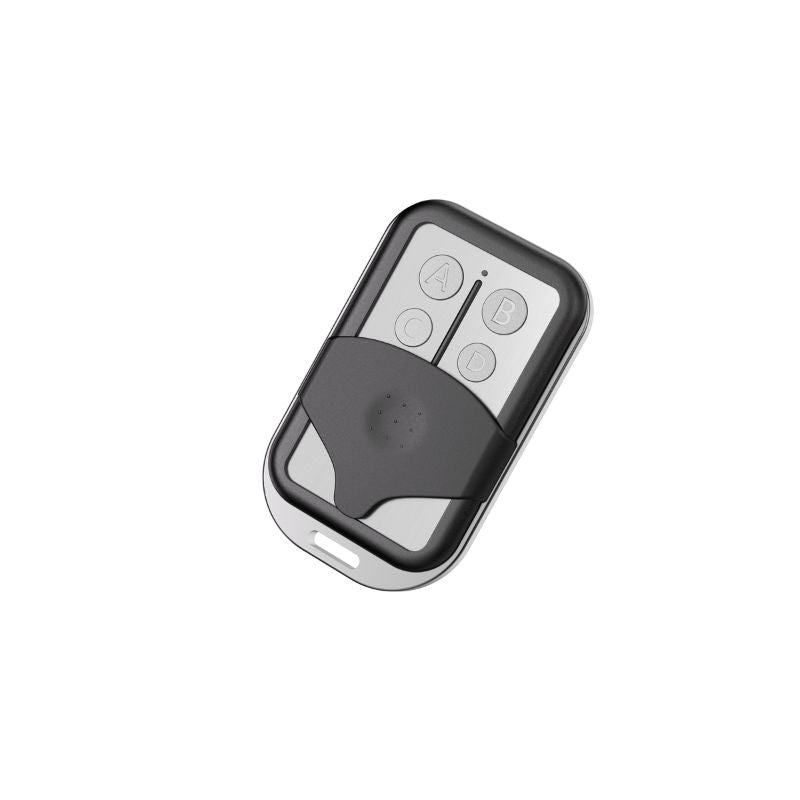
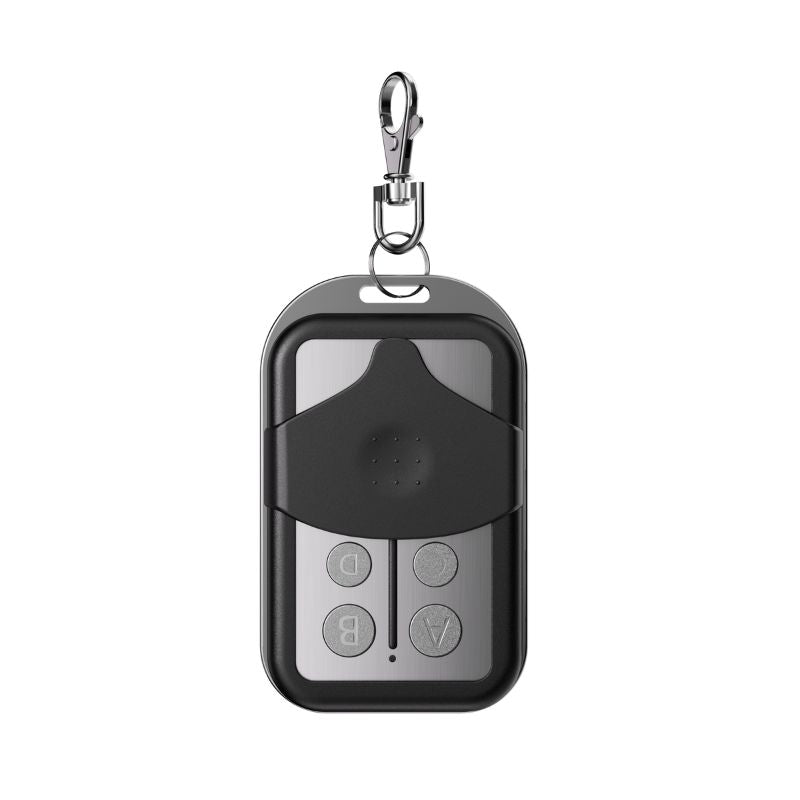
- Remote control battery
So, a garage door opener battery is not needed, but it is undoubtedly a valuable addition to your garage door opener system, especially when electric power is unreliable.
Garage Door Opener Batteries Explained
Garage door openers do not all use the same battery. Garage door opener batteries differ based on whether it’s a backup system or just a remote, the brand (LiftMaster, Zumi, Chamberlain, Genie, etc.), and the model type.
The most common garage opener batteries are 12V Lead-Acid batteries and lithium-ion batteries. 3V Coin Cell Batteries and AA/AAA Batteries are also commonly used for remotes.
1. 12V Sealed Lead-Acid (SLA) Batteries
12V Sealed Lead-Acid (SLA) Batteries are very commonly used in built-in backup garage door opener systems in many LiftMaster and Chamberlain models, and even older battery-backup garage door openers
These are rechargeable batteries, similar to what’s used in alarm systems and small UPS units, and they work for garage door openers because they are affordable, reliable, and heavy compared to some new battery types.
12V Sealed Lead-Acid (SLA) Batteries are very common in mid-range and older backup-equipped openers, and they typically last about 1-3 years.
2. Lithium-Ion Backup Batteries
Lithium-ion batteries are common in newer premium garage door openers and higher-end models with integrated smart systems.
Many newer smart garage door openers now use lithium-based systems because they are a modern rechargeable battery, lighter and longer-lasting than SLA. However, they do cost a lot more than Sealed Lead-Acid (SLA) batteries.

Garage Door Opener Remote Control Batteries
3. 3V Coin Cell Batteries
Coin Cell Batteries (CR2032, CR2025, etc.) are the small, flat batteries that look like a button. They are common in garage door remote controls and keyless entry pads.
These batteries are very inexpensive, easy to replace, and last for a relatively long time (1-2 years), depending on how you use them. This is the most common battery you’ll personally replace as a homeowner.
4. AA or AAA Batteries
AA or AAA batteries are standard alkaline batteries, and they are common in some garage door opener remote controls and wireless keypads, too. They are also easy to find, last 1-1.5 years, and are very simple to replace as well.
Garage Door Opener Battery Types
| Battery Type | Common Use | Found In Which Openers? | Typical Lifespan |
| 12V Sealed Lead-Acid | Backup battery | LiftMaster, Chamberlain (mid-range) | 1–3 years |
| Lithium-Ion | Backup battery | Newer smart/premium openers | 3–5+ years |
| 3V Coin Cell (CR2032) | Remote controls, keypads | Most modern remotes | 1–2 years |
| AA / AAA | Remotes, wireless keypads | Basic or older remotes | 1–2 years |
When Do You Need a Garage Door Opener Battery?
A standard electric garage door opener system works perfectly, but when power goes out, you need a backup source to continue operating the garage door.
Without a backup battery, the motor doesn't run, the door doesn't open automatically, and you will need to use the manual release button or lift the door by hand.
If your opener has a built-in backup battery, the door continues to operate during a power outage, you don’t need to disengage it manually, and you maintain security and convenience
So, in most cases, you do need garge door opener battery even though it is not a must-have. Some states (like California) even require garage door openers to include battery backup for safety reasons.

How to Know Which Battery to Get for Your Garage Door Opener
There are four easy ways to know which garage door opener battery to get, especially when you are replacing the existing one.
- Check the owner’s manual: This is the most reliable source.
- Look at the old battery: The model number is usually printed clearly.
- Check the opener label: Many units list the battery type inside the panel.
- Search by model number: Go to the manufacturer’s website and enter your model.
The key is not to guess. Even batteries that look similar can differ slightly in voltage or connector type.
When and How to Replace a Garage Door Opener Battery
Most modern openers alert you when the backup battery is failing, but replacement is not required in every case. In fact, most times, the gate opener battery is fine. However, you may need to replace the battery if:
- The opener beeps every 30–60 seconds
- The battery indicator light flashes
- The door won’t operate during a power outage
- Your remote becomes unreliable
- It’s been 2–3 years since installation
How to Replace a Backup Battery (Step-by-Step)
The most important step in replacing a garage door opener battery is to make sure that the replacement battery matches the existing one, and that you take note of the wire positions on the old battery so you can replicate them on the new one. Follow these steps:
Step 1: Unplug the garage door opener from the wall.
Step 2: Open the battery compartment (usually behind a small panel).
Step 3: Disconnect the old battery (note wire positions).
Step 4: Remove the old battery.
Step 5: Connect the new battery (match red to red, black to black).
Step 6: Close the compartment.
Step 7: Plug the opener back in.
As long as you have the right replacement battery, the product manual (which should have the detailed process of how to change the garage door opener’s battery), most replacements take less than 10 minutes.
Should Battery Backup Be a Crucial Buying Factor?
Whether or not your garage door opener needs a battery often depends largely on where you live, and the nature/consistency of the electricity available. If you live in an area with frequent outages, use your garage as your main entry door, and value security and convenience, then you need a garage door opener.
However, if power outages are rare and you’re comfortable manually opening your garage when necessary, a non-battery model can still work perfectly fine. It all depends on your lifestyle and location.
Final Thoughts
So, in conclusion, garage door openers don’t rely entirely on batteries, but batteries play an important supporting role. Batteries aren’t mandatory, but they can make your garage door opener significantly more reliable. And when it comes to home access and security, reliability matters.
You might also be interested in how to program your garage door opener and what features you need to ensure smooth performance in the long run.