Iron driveway gates are strong and visually appealing, but they do come with some common issues over time. One of the biggest problems is rust and corrosion, especially if the protective coating is damaged or the driveway gate is exposed to rain, humidity, or coastal air. Once rust starts, it can spread and weaken the structure if not treated early. Another frequent issue is high maintenance requirements, as iron driveway gates often need periodic repainting, sealing, or touch-ups to maintain both appearance and protection.
Other common problems include heavy weight and mechanical strain, which can cause sagging hinges or put extra stress on posts and automation motors if not properly installed. Over time, driveway gates may also develop alignment issues, making them harder to open or close smoothly. In some cases, decorative iron designs can accumulate dirt or debris in detailed areas, requiring regular cleaning to maintain their appearance.
What is the best material for a driveway gate?
The best material for a driveway gate depends on your priorities, but steel is generally considered the strongest option for security and durability. It offers excellent resistance to impact and provides long-term structural strength, making it ideal for homeowners who prioritize protection. However, steel is heavier and requires proper coating or treatment to prevent rust, especially in wet or coastal environments.
If you want a more practical, low-maintenance option, an aluminum driveway gate is often the best overall choice for residential use. It is lightweight, naturally rust-resistant, and easier to operate with automatic systems since it puts less strain on motors and hinges.
While wood offers strong privacy and a natural aesthetic, it requires regular maintenance to prevent weather damage.
Are wooden or metal gates better?
Metal and wooden driveway gates each have their own advantages, but the better choice depends on your priorities.
Metal driveway gates, such as steel or aluminum, are generally stronger, more durable, and better suited for security and long-term use, as they resist impact and weather damage while requiring relatively low maintenance, especially in the case of aluminum.
Wooden driveway gates, on the other hand, offer a more natural and visually warm appearance with excellent privacy, making them ideal for decorative or traditional-style properties, but they require regular maintenance to prevent warping, cracking, or weathering over time. In summary, metal driveway gates are typically better for security and durability, while wood driveway gates are preferred for aesthetics and privacy.
Do driveway gates deter thieves?
Yes—driveway gates can be an effective deterrent to thieves, especially when combined with other security features. A driveway gate creates a clear physical and psychological barrier, signaling that the property is protected and access is restricted. Most opportunistic intruders prefer easy targets, so the presence of a driveway gate often encourages them to move on to a less secure property.
However, a driveway gate alone is not a guarantee of security. Its effectiveness depends on factors such as height, material strength, visibility, and locking mechanisms. Solid or tall driveway gates provide better protection by limiting visibility and access, while automatic driveway gates with keypads, cameras, and intercom systems further enhance security by controlling entry and monitoring activity.
What driveway gate style is most secure?
In most cases, sliding driveway gates are considered the most secure option. Their design makes them harder to force open compared to other styles. Because a sliding driveway gate moves along a track and typically locks into place at both ends, it creates a more stable and resistant barrier. This structure makes it more difficult to push, ram, or pry open, especially when combined with proper locking and automation systems.
What are common gate design mistakes?
Designing a driveway gate isn’t just about appearance—poor planning can lead to functional problems, safety issues, and higher long-term costs. Here are some of the most common mistakes to avoid:
1. Choosing the Wrong Driveway Gate Type for the Space Installing a swing driveway gate in a tight or sloped driveway is a frequent error. Without enough clearance, the driveway gate may not open properly. In such cases, a sliding or bi-fold driveway gate would be more suitable.
2. Incorrect Driveway Gate Size or Width A driveway gate that is too narrow can make it difficult for larger vehicles to enter, while an oversized driveway gate may add unnecessary cost and structural strain. Failing to account for turning radius and clearance is a common oversight.
3. Ignoring Ground Slope and Terrain Uneven or sloped driveways can interfere with driveway gate operation, especially for swing driveway gates. Not planning for grading, hinges, or track alignment can lead to dragging, misalignment, or premature wear.
4. Weak or Improperly Installed Posts Driveway gate posts must support significant weight. Undersized posts or poor concrete foundations can cause sagging, misalignment, or even structural failure over time.
5. Overlooking Automation Requirements Adding automation later without planning for power supply, motor capacity, or wiring can be costly and complicated. It’s better to plan for automation from the beginning.
6. Poor Material Selection Choosing materials that don’t match the environment—such as untreated steel in humid climates or low-quality wood in harsh weather—can lead to rust, warping, and high maintenance costs.
7. Lack of Safety Features Failing to include safety sensors, auto-stop functions, or proper locking systems can create risks for people, pets, and vehicles—especially with automatic driveway gates.
8. Neglecting Aesthetic IntegrationA driveway gate that doesn’t match the home’s architectural style or surrounding fence can look out of place and reduce curb appeal.
Do I need a permit to install a driveway gate?
In most cases, yes—you may need a permit, but it depends on your local city or county regulations. Driveway gate rules are not universal, so requirements can vary significantly by location.
How much is it for a driveway gate?
Driveway gate costs can vary widely depending on size, materials, and automation features, but they generally fall into three main budget ranges.
A budget option typically costs between $800 and $2,500, usually covering smaller, manual driveway gates made from basic materials.
A mid-range driveway gate, which is the most common for residential homes, ranges from $2,000 to $6,000, offering better materials, larger sizes, and often partial or full automation.
For premium setups, high-end or custom driveway gates can cost $8,000 to $15,000 or more, especially when they include large dimensions, advanced automation, decorative designs, and professional installation.
What are the benefits of installing a driveway gate?
Installing a driveway gate offers multiple benefits, starting with enhanced security and privacy. It acts as a physical barrier that helps prevent unauthorized access, deters theft, and gives you greater control over who enters your property.
Solid or semi-private designs can also limit visibility from the outside, creating a more secluded and secure living environment. When paired with modern features like automatic locks, cameras, or keyless entry systems, a driveway gate further strengthens protection while adding convenience.
In addition to security, a driveway gate can significantly improve curb appeal, property value, and everyday functionality. A well-designed driveway gate creates a strong first impression and complements your home’s architectural style, making the property more attractive to visitors and potential buyers.
It also helps manage access, keeps children and pets safe within the property, and, with automation, allows for easy and efficient entry and exit—especially useful for busy households or frequent vehicle use.
What are the different sizes of driveway gates?
Driveway gates come in a range of standard sizes, but the right dimensions ultimately depend on your driveway layout, vehicle types, and access needs.
In general, single swing driveway gates are typically 10–16 feet wide, making them suitable for standard residential driveways. Double swing driveway gates (dual-panel) usually range from 12–32 feet wide, providing a larger opening for wider driveways or properties that require easier access for multiple or larger vehicles.
Sliding driveway gates commonly fall between 12–24 feet wide, though they can be customized for even wider openings if sufficient lateral space is available.
In terms of height, most driveway gates are between 5–7 feet tall, balancing security, privacy, and visual appeal. Taller driveway gates offer increased privacy and protection, while shorter driveway gates maintain a more open and decorative look.
Proper sizing goes beyond standard dimensions. It’s important to consider the vehicle turning radius, especially for larger vehicles like trucks, SUVs, or RVs. Ideally, you should allow 2–4 feet of additional clearance on each side of the driveway entrance to ensure smooth and safe maneuvering.
You should also account for factors such as driveway slope, nearby walls or fences, and whether the driveway gate will be automatic, as these can all influence the optimal size and configuration.
What is the most secure type of driveway gate?
The most secure driveway gate is a sliding steel or wrought iron gate with an automatic opener, smart locks, and keypad access. Sliding gates are harder to force open, and steel or wrought iron materials offer maximum durability and resistance to tampering.
How do you secure a double swing gate?
To secure a double swing gate, use:
1.Heavy-duty gate locks (manual or automatic) 2.Automatic gate openers with smart access control 3.Drop rods or center stops to prevent movement 4.Reinforced hinges to prevent forced entry 5.Keypad or intercom systems for controlled access
For maximum security, combine automatic locking mechanisms with smart monitoring.
Which material is best for my gate?
Wrought iron is perfect for classic, decorative styles, while steel and aluminum offer modern, rust-resistant durability.
Can I install an automatic gate opener with these gates?
Yes! Our gates are pre-drilled for easy installation of automatic swing gate openers.
Are these gates weatherproof?
Absolutely! Our powder-coated finishes protect against rust, corrosion, and fading.
Can I customize the color and size?
Yes! We offer custom dimensions, finishes, and decorative accents to match your style.
How to Choose a Driveway Gate
A driveway gate is more than just an entry point to your property—it plays a key role in security, privacy, functionality, and overall curb appeal. From selecting the right material and operating type to ensuring proper sizing and automation options, each decision will impact how well the driveway gate performs in your daily life. A well-chosen driveway gate not only enhances the safety of your home but also improves convenience and adds long-term value to your property.
Material
Choosing the right material is a key step when selecting a driveway gate, as it directly affects durability, appearance, security, and long-term maintenance requirements. Each material has its own advantages and trade-offs, so it’s important to match it with your climate, budget, and lifestyle needs.
Steel driveway gate
Steel driveway gates are extremely strong, durable, and offer a high level of security, making them a popular choice for both residential and commercial properties. They can withstand impact and provide long-term structural stability. However, steel is prone to rust if not properly treated, so it requires protective coatings such as powder coating or regular maintenance to prevent corrosion, especially in humid or coastal environments.
Aluminum driveway gate
Aluminum is lightweight, rust-resistant, and very low-maintenance, making it ideal for homeowners who want a long-lasting solution with minimal upkeep. Its lighter weight also makes it an excellent option for automatic driveway gate systems, as it reduces strain on motors and hinges. While not as strong as steel, aluminum still provides reliable durability for most residential applications.
Wood driveway gate
Wood driveway gates offer a natural, warm aesthetic and excellent privacy due to their solid panel construction. They are often chosen for traditional or rustic-style properties. However, wood is heavier than many other materials and requires regular maintenance such as painting, sealing, or staining to protect it from moisture, sun exposure, and warping over time.
Vinyl driveway gate
Vinyl driveway gates are a modern, low-maintenance option that performs well in various weather conditions. They are resistant to moisture, fading, and cracking, making them highly durable with minimal upkeep. While they may not offer the same natural or high-end appearance as wood or wrought iron, they are practical, long-lasting, and easy to clean, making them a convenient choice for many homeowners.
Operating Type
The operating type of a driveway gate determines how it moves, how much space it requires, and how well it fits your property layout. Selecting the right mechanism is essential for both convenience and long-term functionality.
Swing Gates
Swing driveway gates offer a traditional and visually appealing design, commonly seen in residential properties. They open inward or outward on hinges, similar to a door, creating a classic and elegant entrance. However, they require a significant amount of clearance space to operate properly. This makes them best suited for flat driveways with enough room for the gate panels to swing freely without obstruction. While they are simple in structure and often easier to install, they may not be ideal for tight or sloped areas.
Sliding Gates
Sliding driveway gates are a more space-efficient option, designed to move horizontally along a track or rail instead of swinging open. They are ideal for properties with limited driveway depth, steep inclines, or areas where space in front of or behind the driveway gate is restricted. Because they operate sideways, they do not interfere with vehicles entering or exiting the driveway. Sliding driveway gates are also highly compatible with automation systems, making them a popular choice for modern homes and commercial properties that prioritize convenience and security.
Size and Access
In most residential applications, a driveway gate should generally be at least 12–14 feet wide or more, depending on the property layout and vehicle requirements.
This width is typically sufficient to accommodate standard cars, SUVs, and pickup trucks. However, if you regularly expect larger vehicles—such as delivery trucks, RVs, or emergency service vehicles—it is advisable to choose an even wider opening to ensure safe and unobstructed access.
Security Features for Driveway Gates
Security is one of the most important factors when choosing a driveway gate, and modern systems offer a range of features that significantly improve protection, access control, and peace of mind.
Automatic Locks
Automatic locking systems ensure that the driveway gate secures itself immediately after closing. This eliminates the risk of forgetting to lock the driveway gate manually and helps prevent unauthorized access. Many systems are integrated with electric or magnetic locks that engage automatically, providing a consistent and reliable security barrier at all times.
Cameras and Intercom Systems
Surveillance cameras and intercoms allow homeowners to monitor and communicate with visitors before granting entry. Cameras provide real-time visual confirmation of who is at the driveway gate, while intercom systems enable two-way audio communication. Together, they enhance safety by ensuring that only verified visitors are allowed access to the property.
Keypads and Card Readers
Keypad entry systems and card readers provide a convenient keyless access solution. Instead of using traditional keys, users can enter a PIN code or swipe a programmed card to open the driveway gate. This not only improves convenience but also increases security, as access codes can be changed or deactivated when needed, reducing the risk of unauthorized entry.
Manual vs automatic Driveway Gate
When choosing a driveway gate, it’s important to decide whether you want a manual system or an automatic, remote-operated driveway gate. Automatic driveway gates allow you to open and close the driveway gate with a remote control, keypad, smartphone app, or vehicle sensor. This eliminates the need to manually exit your vehicle, making entry and exit faster, safer, and more convenient—especially in bad weather or at night. Automatic driveway gates typically rely on one of two main power sources:
Electric Driveway Gate
The electric driveway gate is the most stable and commonly used option. The motorized driveway gate system is connected directly to your property’s electrical supply, ensuring consistent performance and reliable operation. It is ideal for long-term installations where uninterrupted power is essential.
Solar-powered Driveway Gate
Solar-powered driveway gates use solar panels to charge a battery that operates the driveway gate motor. The solar gate opener is especially useful for remote locations or areas where running electrical wiring is difficult or costly. It also offers energy efficiency and can reduce ongoing electricity usage, though performance may depend on sunlight availability.
Driveway Gate Types
Driveway Swing Gate
Driveway Swing Gate
Swing driveway gates are one of the most classic and widely installed driveway gate systems for residential and light commercial properties. They function using a hinge mechanism, allowing the driveway gate to swing inward toward the property or outward toward the street, similar to a standard door. This design is valued for its simplicity, durability, and elegant appearance.
Swing driveway gates are best suited for properties with sufficient clearance space, as the driveway gate panels require a wide arc to open and close. They are often chosen for suburban homes, estates, and private driveways where aesthetics and traditional functionality are important.
Single Swing Driveway Gate
A single swing driveway gate features one solid gate panel that opens in a single direction—either inward or outward—depending on the layout of the driveway and property design.
This type of driveway gate is known for its straightforward structure and ease of installation. With fewer moving parts compared to dual systems, it is generally more cost-effective and requires less maintenance.
Single swing driveway gates are especially suitable for narrower driveways or smaller entrances where a full dual-panel system is unnecessary. However, because the entire weight is carried by one hinge side, proper installation and strong support posts are essential for long-term stability.
Dual Swing / Double Swing Driveway Gate
A dual swing driveway gate (also commonly referred to as a double swing driveway gate) consists of two separate gate panels, or “leaves,” that open from the center. Each panel swings in the opposite direction, creating a wide and balanced entryway.
This design helps distribute weight more evenly across both sides, reducing stress on individual hinges and improving long-term durability. It also allows for a larger opening width, making it ideal for wider driveways or properties that require frequent vehicle access.
In addition to its functional advantages, dual swing driveway gates often provide a more symmetrical and visually appealing entrance, making them a popular choice for upscale residential properties and estates.
Sliding / Rolling Driveway Gates
Sliding / Rolling Driveway Gates
Sliding and rolling driveway gates are designed for properties where there is limited space for a traditional swing motion. Instead of opening inward or outward, these driveway gates move horizontally along a track or guide system. This makes them an excellent solution for driveways with short setbacks, steep inclines, or obstacles near the entrance.
Because the driveway gate travels sideways rather than swinging outward, sliding systems are often preferred for modern residential homes, commercial properties, and areas where space efficiency and safety are priorities. They also reduce the risk of blocking vehicles or pedestrians during operation.
Sliding Driveway Gate
A sliding driveway gate operates by moving parallel to the fence line, usually along a fixed ground track or a cantilever system without a ground rail. This horizontal movement allows the driveway gate to open without requiring any clearance space in front of or behind the sliding driveway gate.
Sliding driveway gates are especially useful for driveways with limited depth, steep slopes, or uneven terrain where sliding driveway gates would be impractical. They are also commonly used in urban environments where maximizing usable space is important.
In addition to functionality, sliding driveway gates offer strong security performance due to their sturdy construction and ability to integrate with automation systems such as electric motors and remote controls.
Rolling Driveway Gate
A rolling driveway gate is a variation of the sliding gate system that typically uses wheels or rollers to facilitate smooth horizontal movement along a bottom track or guide rail.
Unlike traditional sliding driveway gates that may rely on cantilever support systems, rolling driveway gates often distribute weight through ground-mounted wheels, making them easier to install in certain environments. The rolling mechanism helps reduce friction and allows for smoother, quieter operation.
Rolling driveway gates are commonly used in residential, industrial, and commercial settings where reliability and consistent performance are required. They can also be automatic, offering convenient access control through remote systems, keypad entry, or smart driveway gate openers.
Folding Driveway Gate
Folding Driveway Gate
A folding driveway gate is a compact gate system made up of multiple connected panels that fold together as the gate opens. Instead of swinging outward in a wide arc or sliding along a long track, the panels collapse neatly against each other, significantly reducing the space required for operation.
This design is ideal for properties with limited driveway depth, narrow entrances, or areas where swing and sliding driveway gates are not practical. Folding driveway gates are commonly used in residential driveways and urban environments where space efficiency is a priority. They can also be integrated with automatic opening systems, making them convenient while maintaining strong security and visual appeal.
Bifold Driveway Gate
A bifold driveway gate is a specific type of folding driveway gate that consists of two main panels per side or a central fold mechanism. When opening, the panels fold in the middle, allowing the driveway gate to open much faster and with less lateral space compared to traditional swing driveway gates.
Because the movement is divided into two sections per side, bifold driveway gates reduce the load on hinges and motors, making them more efficient for frequent use. They are especially suitable for residential driveways where quick access and smooth operation are important, while still maintaining a clean and modern appearance.
Accordion Driveway Gate
An accordion driveway gate is a multi-panel folding system that expands and collapses in a pattern similar to an accordion. Each panel is connected in sequence, allowing the driveway gate to compress tightly when opened and extend fully when closed.
This design offers excellent flexibility in width control, making it suitable for driveways of varying sizes. Accordion driveway gates are often used in commercial, industrial, or security-sensitive environments where adaptability and efficient space usage are essential. They provide strong perimeter control while minimizing the footprint required during operation.

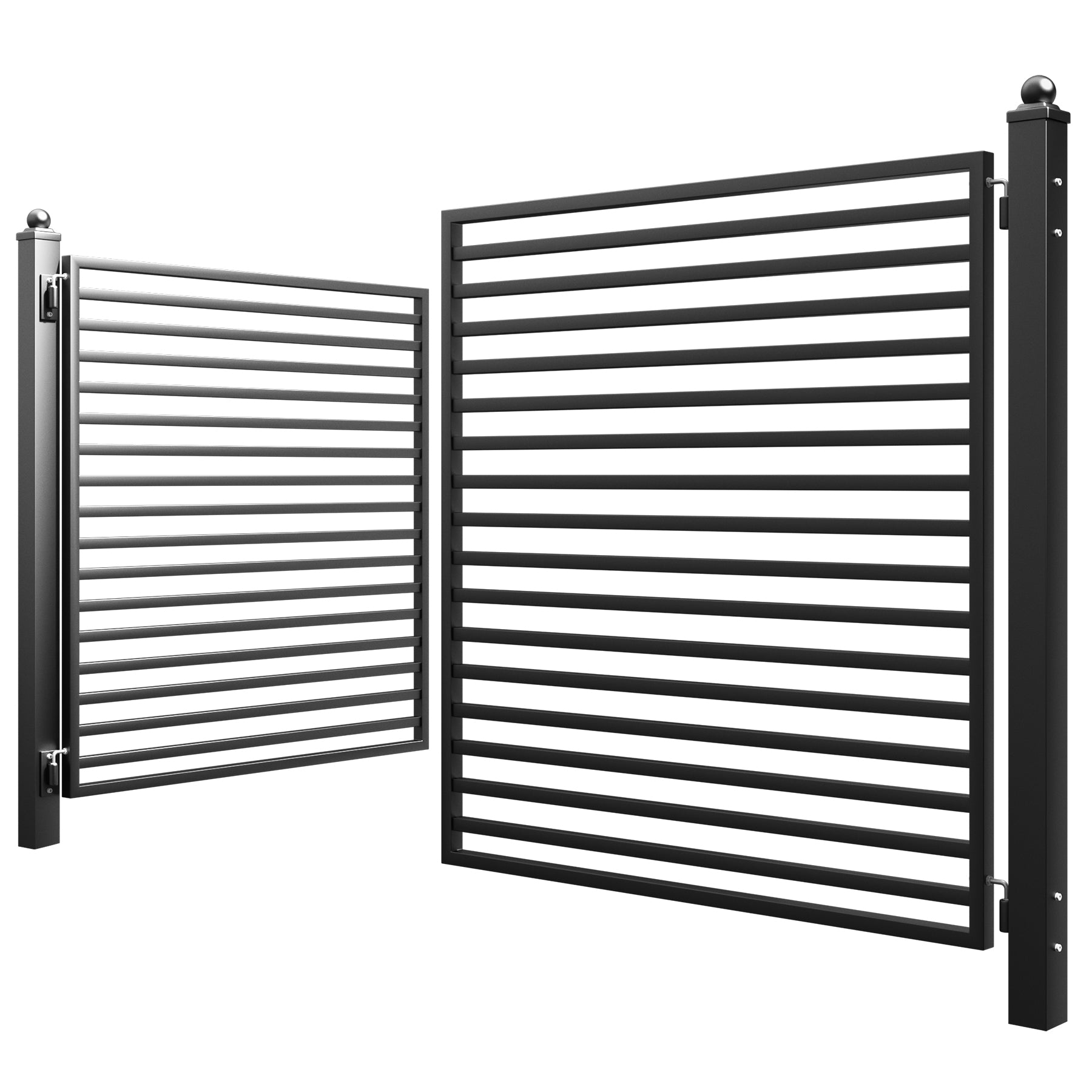
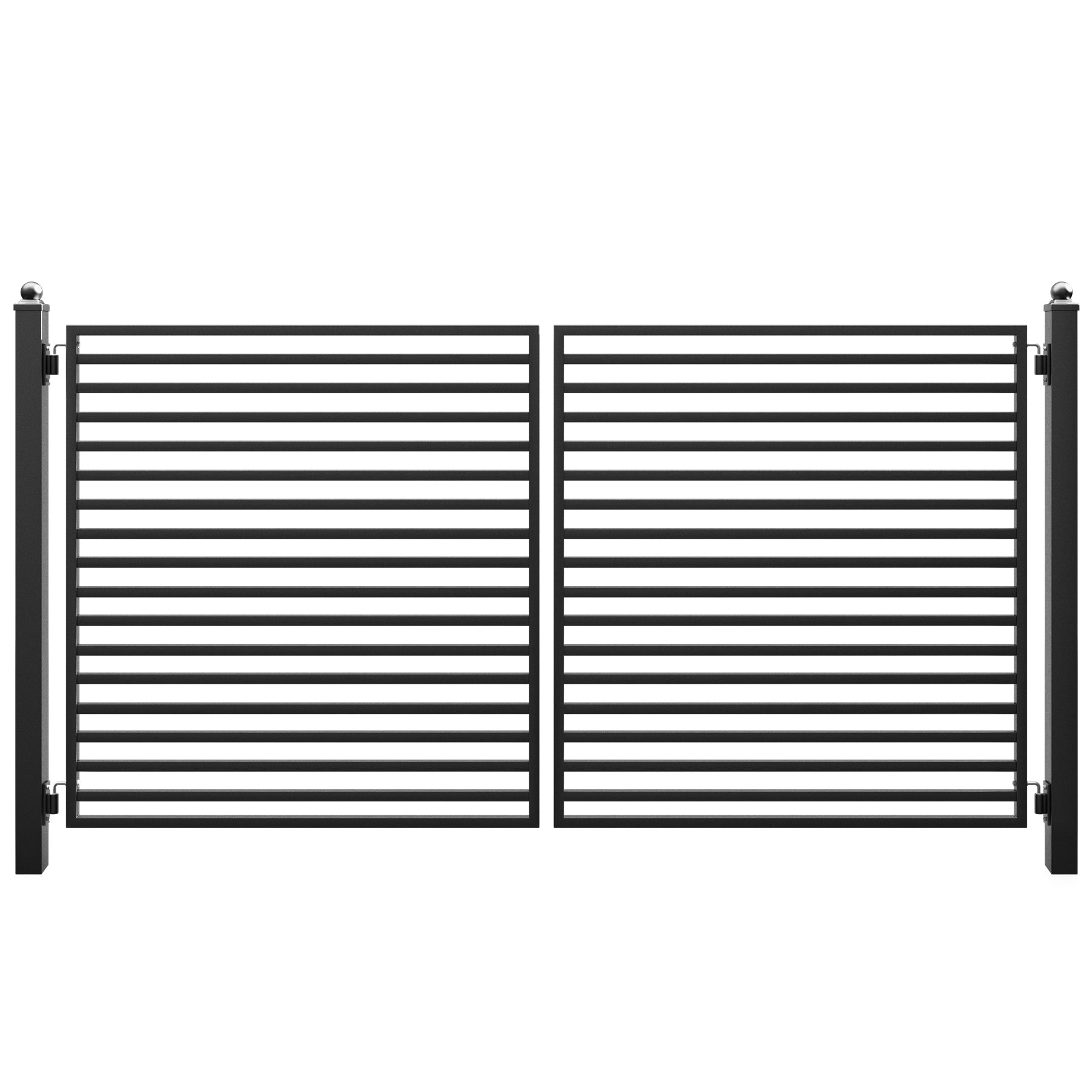 ZUMI Brooklyn Style Dual Swing Driveway Gates
 ZUMI Sydney Style Dual Swing Driveway Gates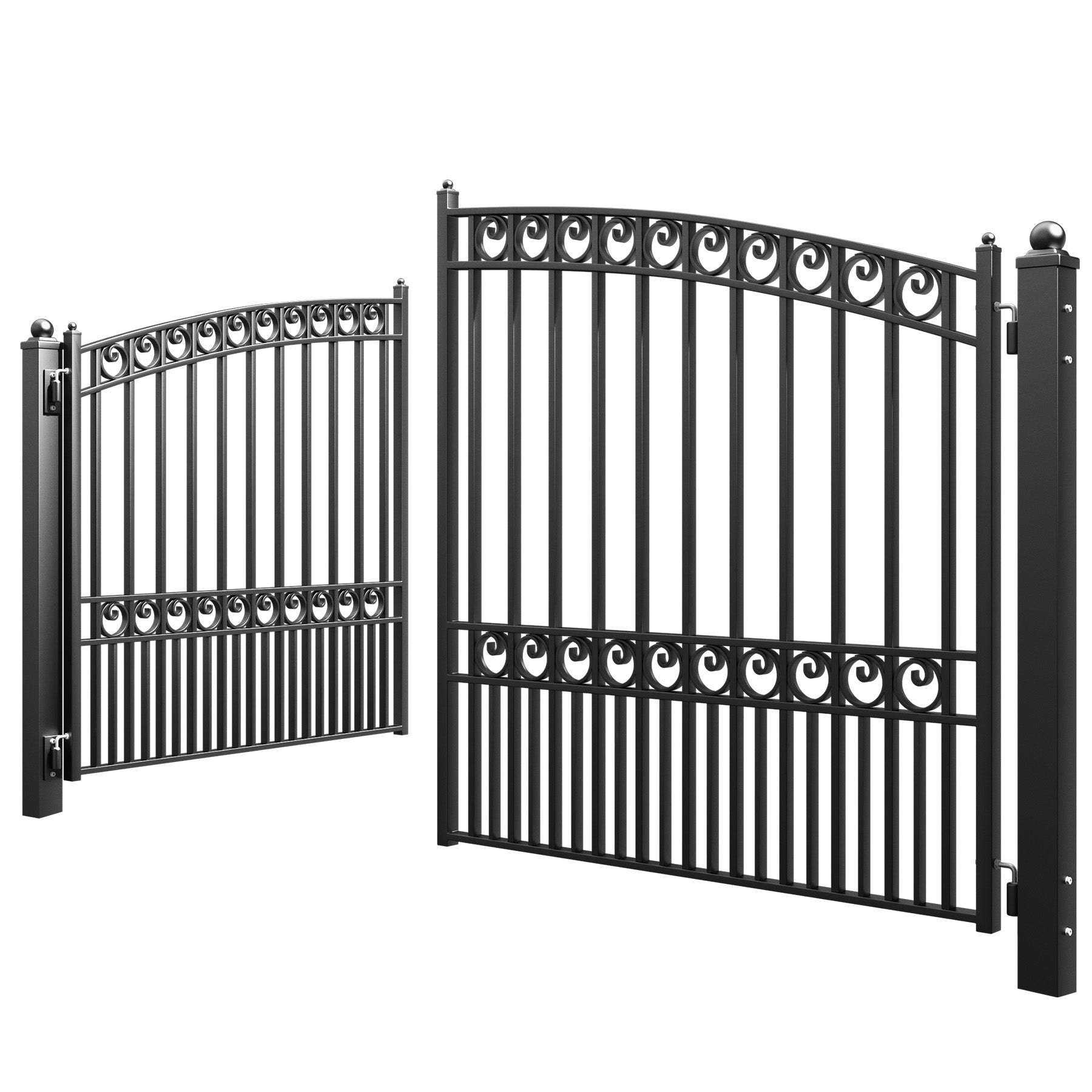
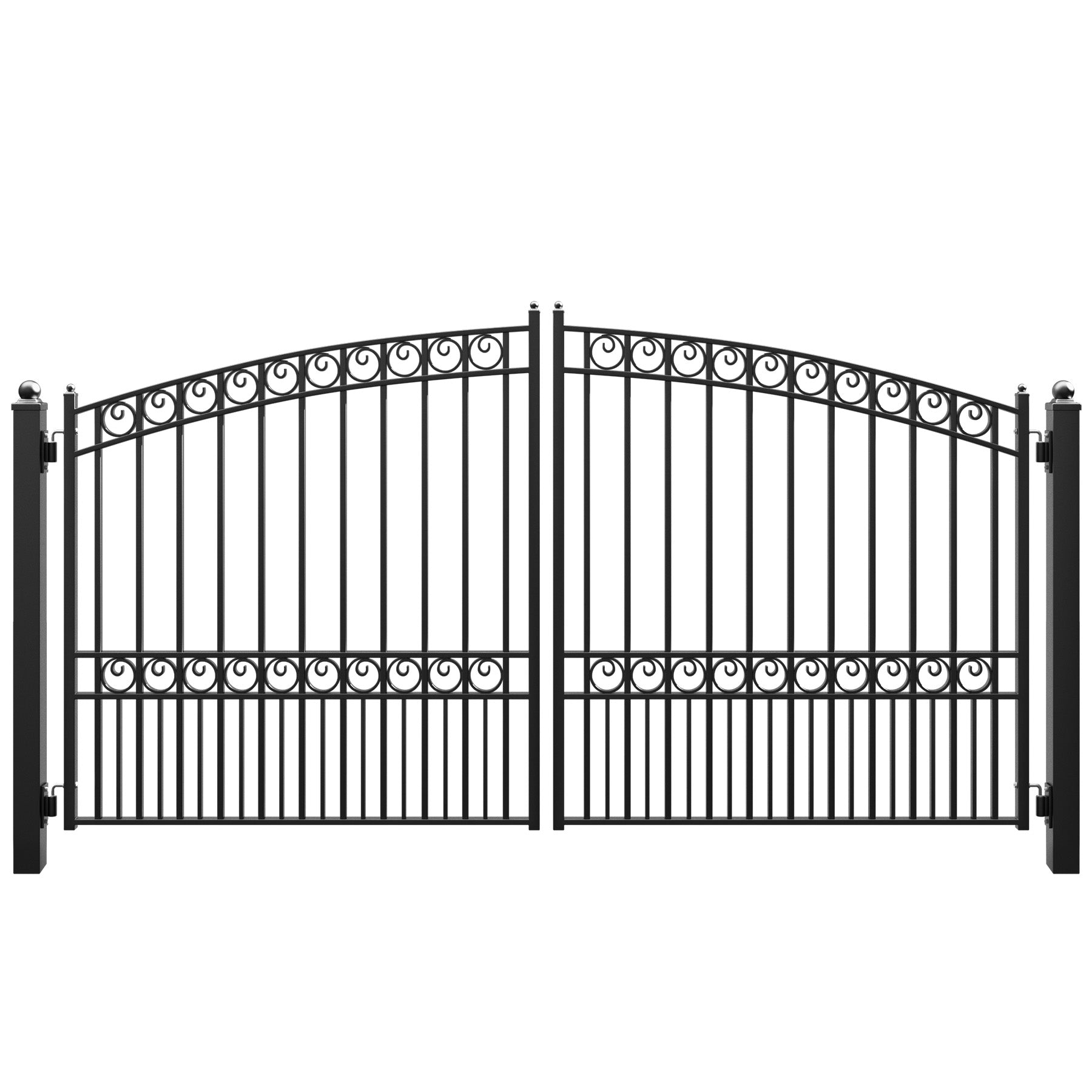 ZUMI Opera Style Dual Swing Driveway Gates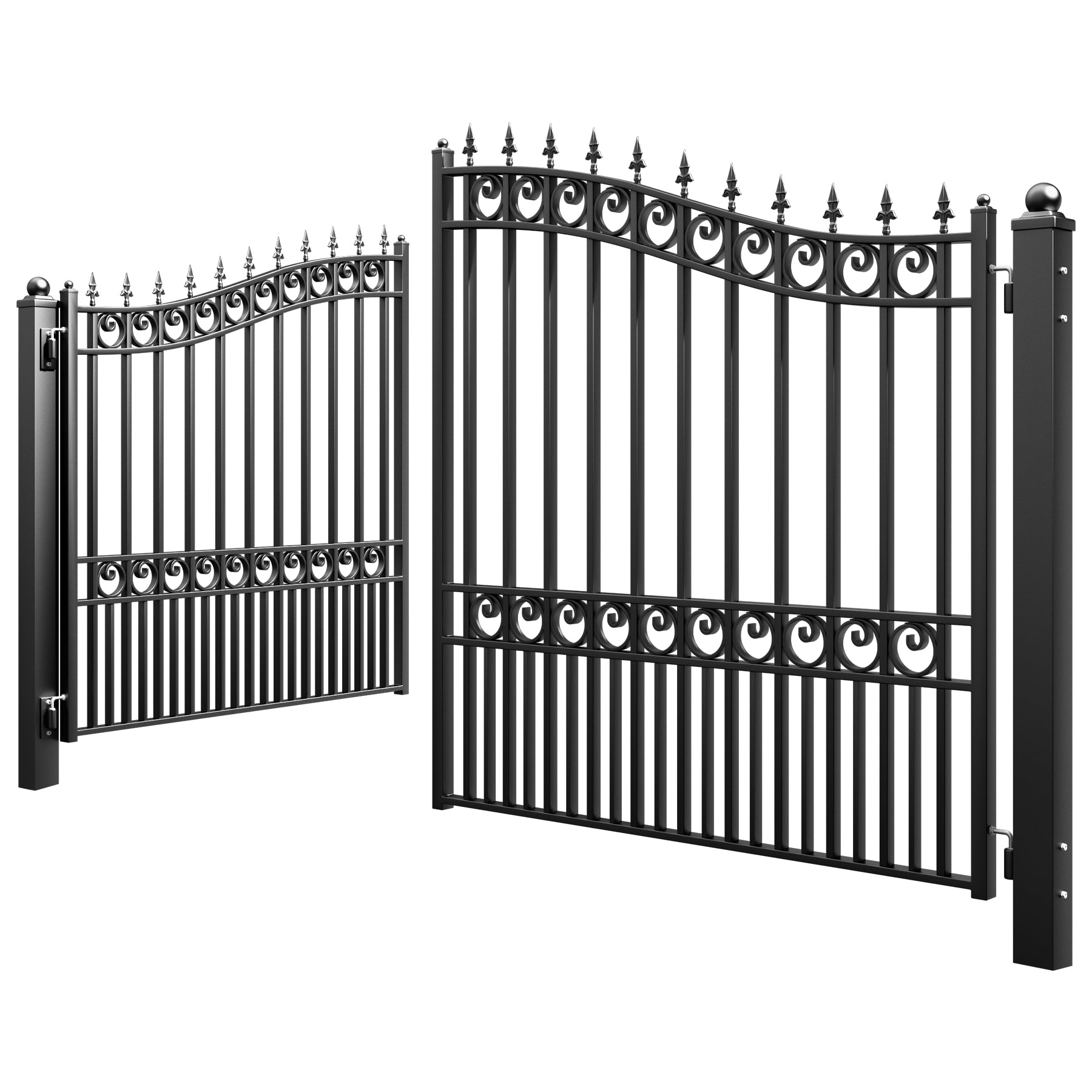
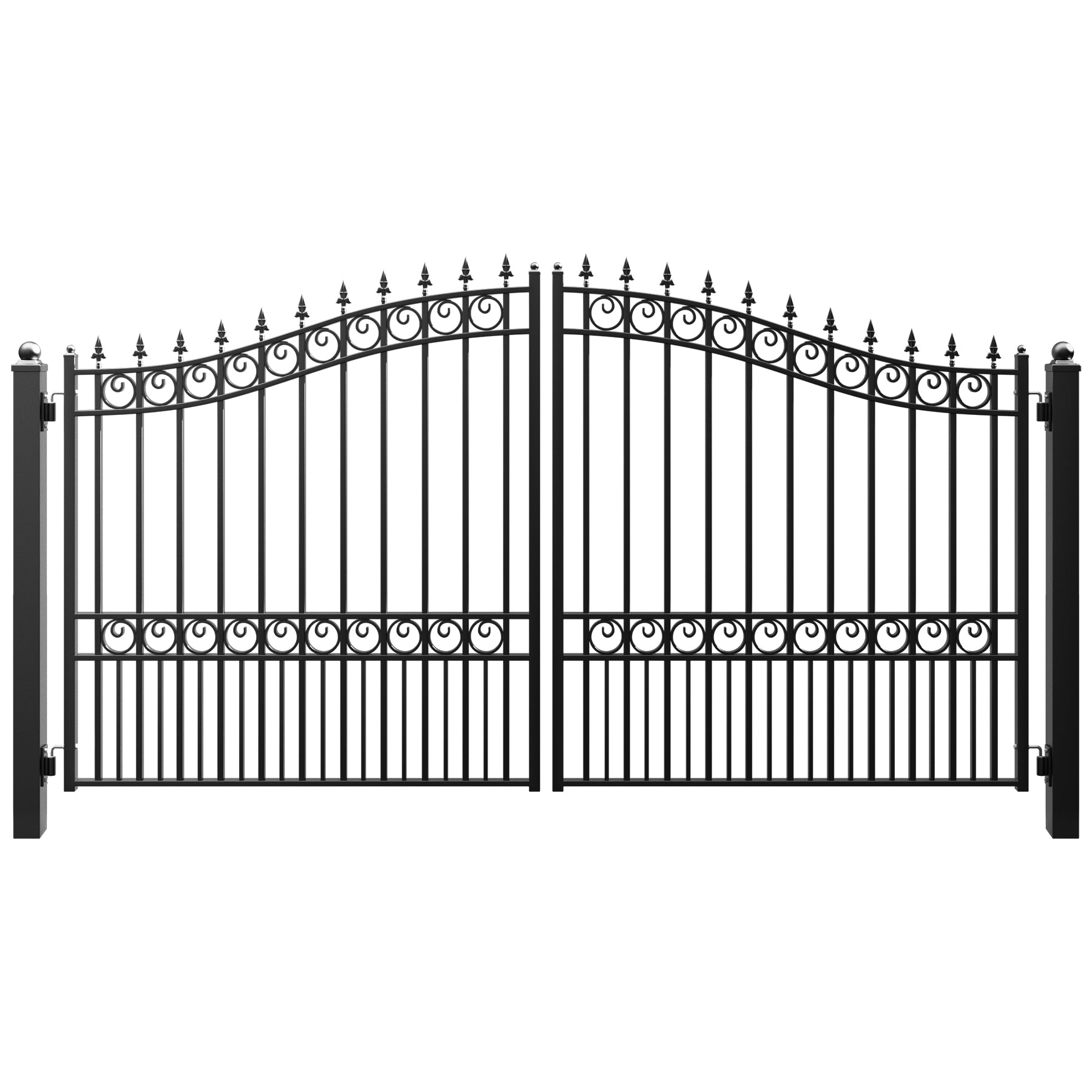 ZUMI Broadway Style Dual Swing Driveway Gates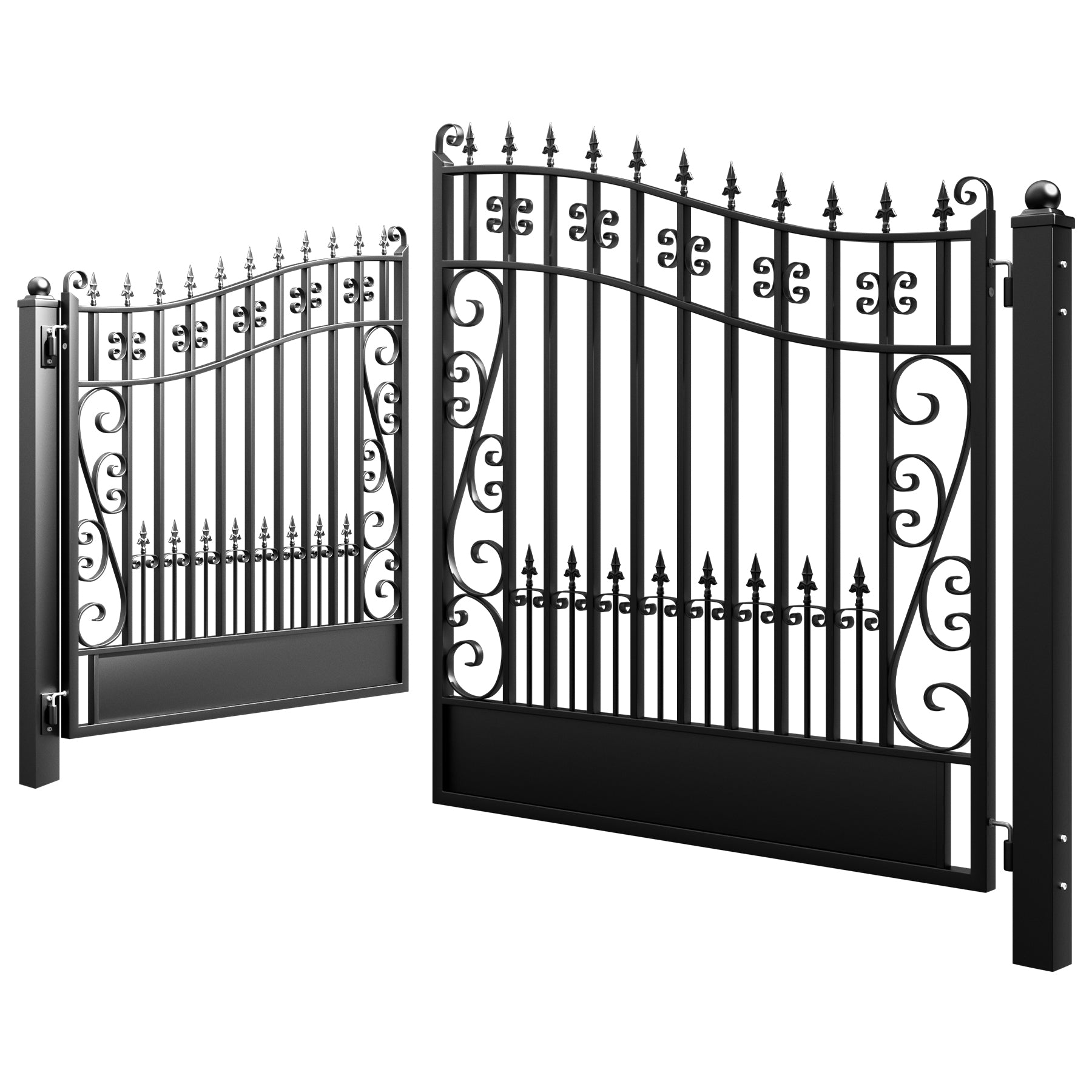
 ZUMI Greenwich Style Dual Swing Driveway Gates
 ZUMI Broadway Style Single Swing Driveway Gate
 ZUMI Dual Swing Driveway Gate with Scrollwork & Finials
 ZUMI Dual Swing Driveway Gate with Built-in Pedestrian Door