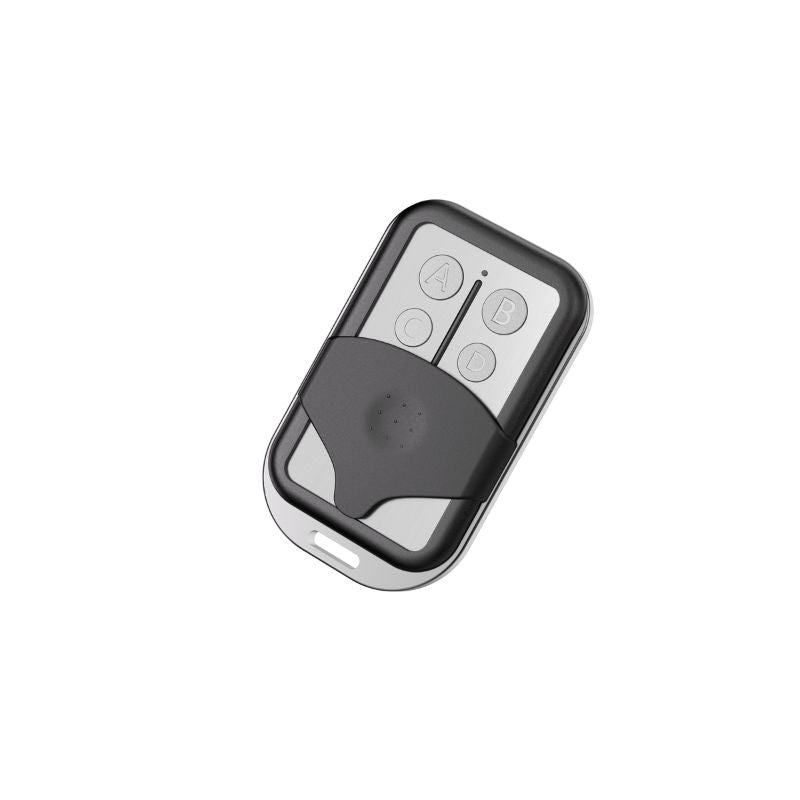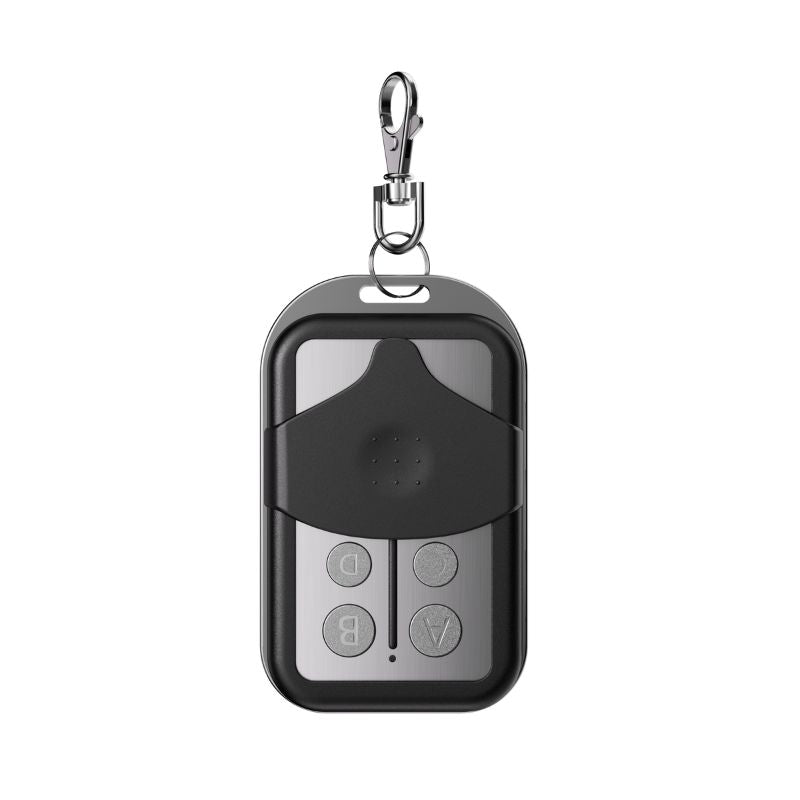

For decades, the standard automatic garage door opener was a set-it-and-forget-it convenience. But with the rise of affordable, pocket-sized multi-tools like the Flipper Zero, homeowners are growing anxious. If a device can capture radio frequencies and rolling codes, is your garage door essentially a giant welcome mat for tech-savvy burglars?
While the threat of "roll-jam" attacks is real, the actual likelihood of being targeted this way is relatively low. However, peace of mind is priceless. If you want to fortify your garage—whether you use it for daily parking or strictly for extra storage—here is a comprehensive guide to securing your garage door using smart tech, clever workarounds, and un-hackable old-school methods.
The Tech Fixes: Cutting Power and Smarter Controls
If you are worried about hackers intercepting your remote control signals, the best defense is to eliminate those unencrypted radio waves altogether.
1. The Smart Plug Trick
If you only use your garage occasionally (e.g., for storage), one of the simplest workarounds is to plug your garage door opener into a Wi-Fi smart plug or remote-controlled outlet.
-
How it works: Keep the smart plug turned off by default. When you need to open the door, turn the plug on via your phone app, use your standard remote, and then cut the power again.
-
Pro-Tip: Set an automated schedule in your smart home app to ensure the power cuts off automatically every night at 9:00 PM or 10:00 PM just in case you forget.
-
Note: Keep in mind that many newer garage door openers feature required built-in battery backups, so cutting the main wall power might not completely disable them unless you disconnect the backup battery.
2. Upgrading to Smart Access Control (RatGDO & Home Assistant)
Instead of relying on a traditional RF remote that can be cloned, you can upgrade your system to interact directly over your home network. Hardware modules like RatGDO or Konnected GDO interface with your existing opener and connect it to smart home platforms like Home Assistant.
-
Why it’s secure: Your phone communicates with your opener via your home automation system or a secure VPN, bypassing traditional radio frequencies entirely.
-
The Catch: If your Wi-Fi or internet goes down, you could find yourself locked out unless you have a secondary physical key access point.
3. The "Lock" Button on Your Wall Panel
Before buying new gear, look at the control panel mounted inside your garage. Most modern garage doors have a physical "Lock" or "Vacation" button. Pressing this disables the receiver unit from accepting any remote control signals while still allowing you to open the door from the physical wall button inside.
The Mechanical Fixes: Un-hackable Physical Security
No matter how advanced a hacker is, they cannot hack a piece of solid steel. If you want 100% certainty that your door cannot be opened from the outside, physical locks are your best bet.
1. Slide Bolts and Padlocks
Most garage door tracks are pre-slotted for manual slide locks (deadbolts). Sliding a heavy steel latch through the track prevents the door rollers from moving up. If your door doesn't have a built-in latch, slipping a heavy-duty padlock directly through a hole in the vertical track just above one of the rollers accomplishes the exact same thing.
The Golden Rule of Manual Locks:
Never try to activate your automatic opener while a manual slide lock or padlock is engaged. Doing so can bend the track, strip the opener gears, or crumple your garage door panels. Use these strictly for long-term storage or vacation security.
2. Automatic Deadbolts
If you want physical security without the risk of ruining your door by accident, look into automatic garage door deadbolts (often paired with jackshaft/wall-mount openers). These mechanical bolts automatically lock into the track when the door closes and retract electronically the second you trigger the opener.
Don't Forget the Low-Tech Vulnerabilities
While "war-driving" criminals using tech tools get the headlines, most burglars prefer the path of least resistance. Keep an eye out for these classic vulnerabilities:
-
The "Coat Hanger" Trick: A thief can often push the top of a garage door inward just enough to slip a wire coat hanger inside and pull the emergency manual release cord. You can mitigate this by securing the release lever with a weak zip-tie (which can still be broken in an actual emergency with a hard yank) or installing a shield over the mechanism.
-
The Car Remote Trap: Parking your car in the driveway and leaving your garage remote clipped to the visor is like taping your front door key to the outside of your house. If someone breaks your car window, they have immediate access to your home. Move to a keychain remote instead.
-
The Kitchen Door: Many homeowners leave the interior door connecting the garage to the house unlocked. Treat this door like an exterior front door—keep it locked at all times.
-
Install a Tilt Sensor: Consider adding a smart tilt sensor connected to an alarm system (like ADT or Ring). If the door moves even a fraction of an inch without your authorization, you'll receive an instant notification on your phone.
The Verdict
Security is all about layers and assessing your personal risk.If your garage is purely used for storage, a heavy-duty manual slide lock combined with a smart plug to cut the motor's power provides bulletproof protection.
If you use your garage daily for parking, upgrading to a local smart control system like Home Assistant + RatGDO removes the vulnerability of radio cloning altogether, keeping your convenience intact while locking digital thieves out for good.
FAQ
How do I stop thieves from opening my garage door?
To stop tech-savvy thieves from exploiting your remote frequencies, the most effective step is to eliminate or secure the wireless signal.
If your garage wall panel has a "Lock" or "Vacation" button, pressing it will temporarily disable the radio receiver so the door will no longer respond to any external remotes.
For an even more robust digital defense, you can plug your opener into a Wi-Fi smart plug and cut its power completely when not in use, or upgrade your system to a smart controller like a RatGDO that uses secure, encrypted home automation networks instead of unencrypted radio waves.
How do I make my garage door more secure?
Comprehensive garage security requires combining digital defenses with physical reinforcements. Start by treating the interior door that connects your garage to your kitchen like a main entrance, ensuring it is always locked and made of solid material.
Additionally, never leave a traditional garage remote clipped to your car's visor while it is parked in the driveway; swipe it for a keychain remote instead, or install a smart tilt sensor that instantly alerts your phone if the garage door is opened unexpectedly.
How to secure a garage door from outside?
Securing a garage door from the outside means eliminating easy mechanical vulnerabilities that thieves look for when scouting a house. A common tactic is the "coat hanger trick," where a burglar pushes the top of the door inward to grab and pull the emergency release cord.
You can easily block this from the outside by placing a protective shield over the release mechanism or securing the release lever with a plastic zip-tie, which keeps thieves out but can still be broken from the inside with a hard, intentional yank during a real emergency.
How to secure a garage door with no lock?
If your automatic garage opener doesn't feature a built-in deadbolt, you can easily create an un-hackable barrier using the door's existing framework. Most metal garage door tracks come pre-slotted with rectangular holes just above the wheels.
By simply sliding a heavy-duty padlock or a thick metal bolt through one of these holes right above a roller, you create a physical barrier that makes it impossible for the door to be forced or rolled upward from the outside.
Why put a rubber band on a doorknob when you're alone?
Putting a rubber band on a doorknob is a simple viral safety hack used to prevent a door from accidentally latching shut, ensuring you don't get locked out when you are home alone.
By looping a thick rubber band around one knob, stretching it tightly across the edge of the door over the latch bolt, and hooking it onto the opposite knob, the rubber band holds the spring-loaded latch depressed.
This allows you to easily push or pull the door open without turning the handle—handy if you are stepping out briefly to grab the mail or take out the trash without a key.
Learn More:
How to Fix a Garage Door Sensor? (Easy DIY Fix)
How to Lubricate A Garage Door: Step-by-Step Guide
Why Is My Garage Door Opener Beeping?
What Size Garage Door Opener Do I Need? Complete Guide
How Long Does a Garage Door Opener Last?
How Does a Wall-Mounted Garage Door Opener Work?