
Gate automation has become common for homes, farms, and small properties. Whether a homeowner uses a solar gate opener, a dual gate opener, a double gate opener, a smart gate opener, or even a cellular gate opener, the sensor is what helps the system know when to open, when to stop, and when something is in the way. Many people upgrading their driveway gate, farm entrance, or small garage are curious about how these sensors actually work. This article explains the three main sensing methods—infrared, magnetic induction, and photoelectric—using everyday language and clear examples. It also shows how these sensors fit with common systems .
Understanding Why Sensors Matter
A gate opener is like an automatic helper that moves a heavy door for you, but it needs to understand its surroundings. Sensors give it that understanding. They help the opener know if a car is coming, if someone is walking nearby, or if a child or pet is behind the gate. They also help save energy in systems such as a solar gate opener with keypad, because the gate only moves when necessary. When choosing a farm gate opener or upgrading a residential driveway, the quality and type of sensor strongly affect daily convenience and safety.
Infrared Sensors: Detecting Heat or Movement
Infrared sensors detect changes in heat or interruptions in an invisible beam. One simple way to picture this is to imagine two people holding a rope between them. When someone walks through, the rope moves and both people know someone crossed. Infrared works like that rope—except you can’t see it.
There are two main forms:
-
Passive infrared, which senses body heat
-
Active infrared, which sends a beam from one point to another and reacts when the beam is broken
These sensors are common in household motion-activated lights, so the concept is familiar. They fit well with dual gate opener installations at home entrances and are also friendly to solar systems because they use very little power, making them practical for a solar gate opener or a dual solar gate opener with keypad on remote driveways.
Infrared can sometimes be affected by strong sunlight or fog, similar to how a TV remote may need to be pointed precisely when there is glare. But for most residential setups, it offers easy and reliable detection.
Magnetic Induction Sensors: Detecting Moving Vehicles
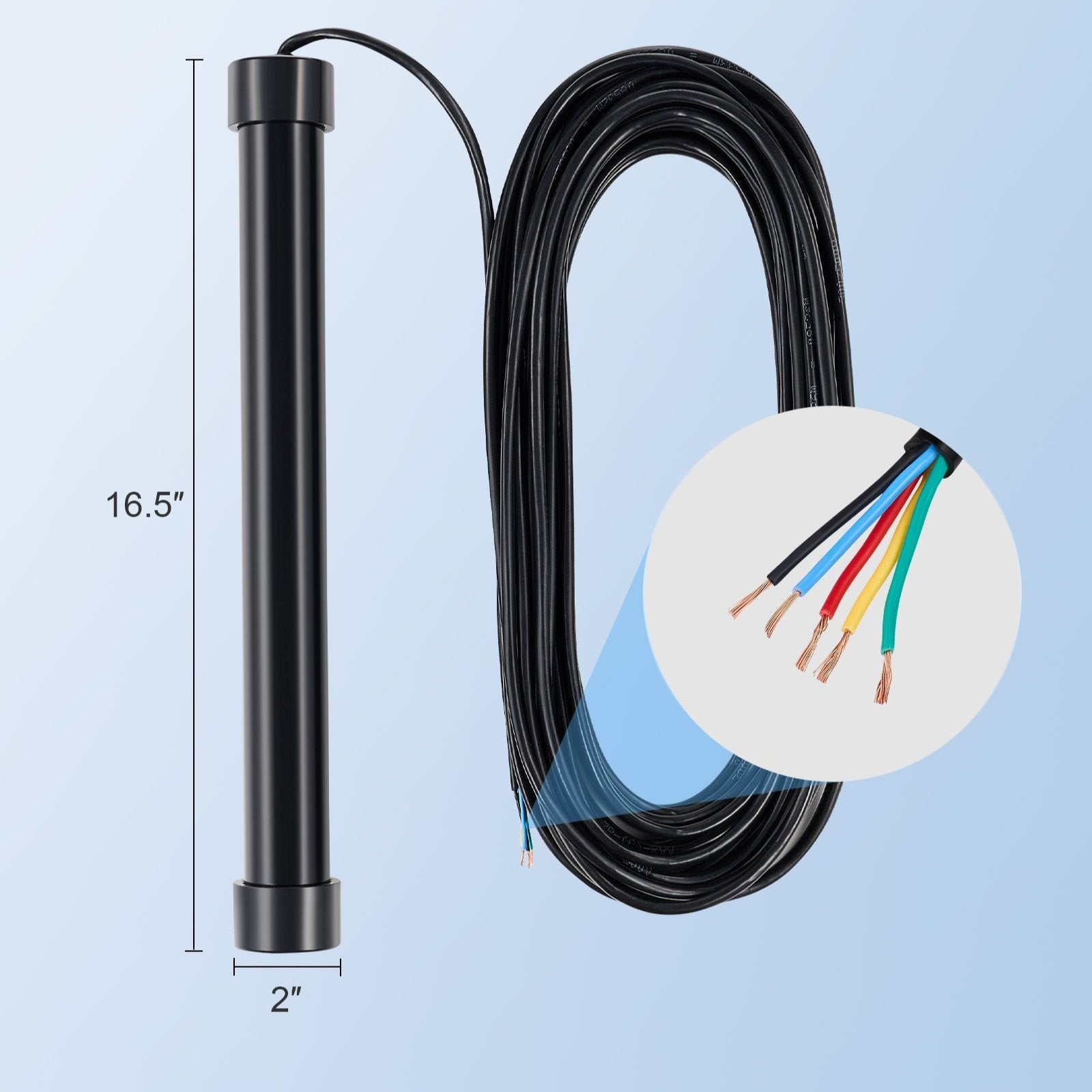
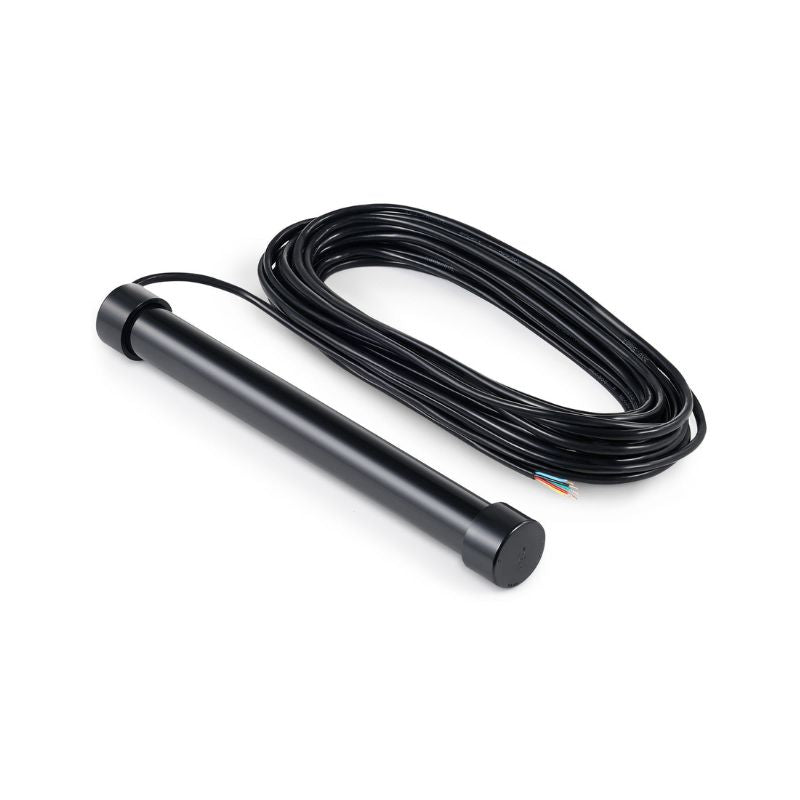
Magnetic sensors are designed mostly for cars, trucks, and tractors. They detect metal passing through a magnetic field. A common comparison is the metal detectors used at parking lots—when your car rolls over a buried loop, the gate lifts automatically. Gate openers use a similar idea.
For example, if you have a long rural driveway with a farm gate opener, you might want the gate to open only for vehicles and not for animals or people. A magnetic sensor solves that problem because it ignores everything that isn’t a vehicle. Many people bury this sensor under gravel or pavement, so it stays protected from weather and dirt.
It pairs well with larger entrances controlled by a double gate opener, or in combination with a solar powered gate opener with keypad and remote, where you want the gate to open as you drive up but still keep keypad security for guests.
Photoelectric Sensors: The “Invisible Light” Safety Method
Photoelectric sensors use a beam of light between a transmitter and receiver. When something interrupts the beam, the gate knows it must stop or reopen. These sensors work much like the safety system on garage door openers, which prevents the door from closing if something is underneath.
A quick example: imagine shining a flashlight at a mirror. If someone waves their hand in between, the light doesn’t reach the mirror anymore. The gate reacts the same way. This makes photoelectric sensors extremely good for preventing accidents, especially in homes with children or pets.
These sensors are common on single swing gate openers and dual swing gate opener systems because they offer consistent accuracy. While they use slightly more power than infrared, they are still easy to use with solar setups when paired with efficient panels.
How Each Sensor Works With Different Opener Types
Different gate openers benefit from different sensor technologies. Below is a simple comparison to help homeowners decide what fits their situation.
|
Gate Opener Type |
Good Sensor Choices |
How They Work Together |
|
Single Swing Gate Openers |
Infrared, Photoelectric |
Good for small driveways; sensors protect pedestrians and pets. |
|
Dual Swing Gate Opener |
Photoelectric, Infrared, Magnetic |
Photoelectric adds safety; magnetic adds reliable vehicle detection. |
|
Solar Gate Opener |
Infrared, Magnetic, Photoelectric |
Low-power sensors help save battery; magnetic works well on long driveways. |
|
Garage Door Openers |
Photoelectric |
Provides required safety stop function. |
|
Farm Gate Opener |
Magnetic Induction, Infrared |
Magnetic detects tractors; infrared helps observe animal or human movement. |
|
Smart Gate Opener |
All sensors |
Sensor choice depends on whether the user prioritizes remote access, safety, or automatic vehicle detection. |
Choosing the Right Sensor for Your Home
A homeowner upgrading a driveway gate or planning a new smart gate opener installation can think about three simple questions:
-
What passes through your gate most often?
-
Cars or tractors → magnetic sensors
-
People or pets → infrared or photoelectric
-
-
Is your gate solar powered?
-
Low-power infrared is a good match for a best solar gate opener setup
-
-
Do you need extra safety?
-
Photoelectric beams give predictable stop-and-reverse behavior
-
For example, a family living in a suburb with frequent foot traffic may pair photoelectric sensors with a dual swing gate opener for reliable safety. A farmhouse entrance may use magnetic induction so the farm gate opener opens automatically for vehicles but stays closed for wandering livestock. A remote cabin might choose an infrared sensor to reduce power use on a solar gate opener with keypad system.
Conclusion
Infrared, magnetic induction, and photoelectric sensors each serve different purposes in gate automation systems. When combined with the right opener—whether a dual gate opener, solar powered gate opener with keypad and remote, smart gate opener, or garage door opener—they help the system operate safely, smoothly, and efficiently. Understanding these basic sensor types allows homeowners to make confident upgrades and choose the setup that fits their property, environment, and daily routine.