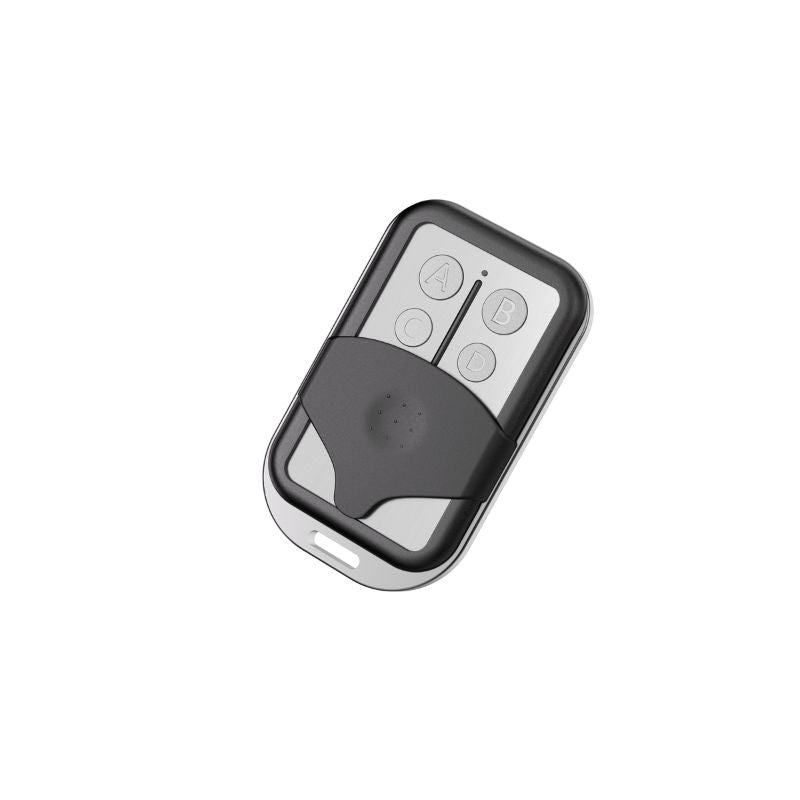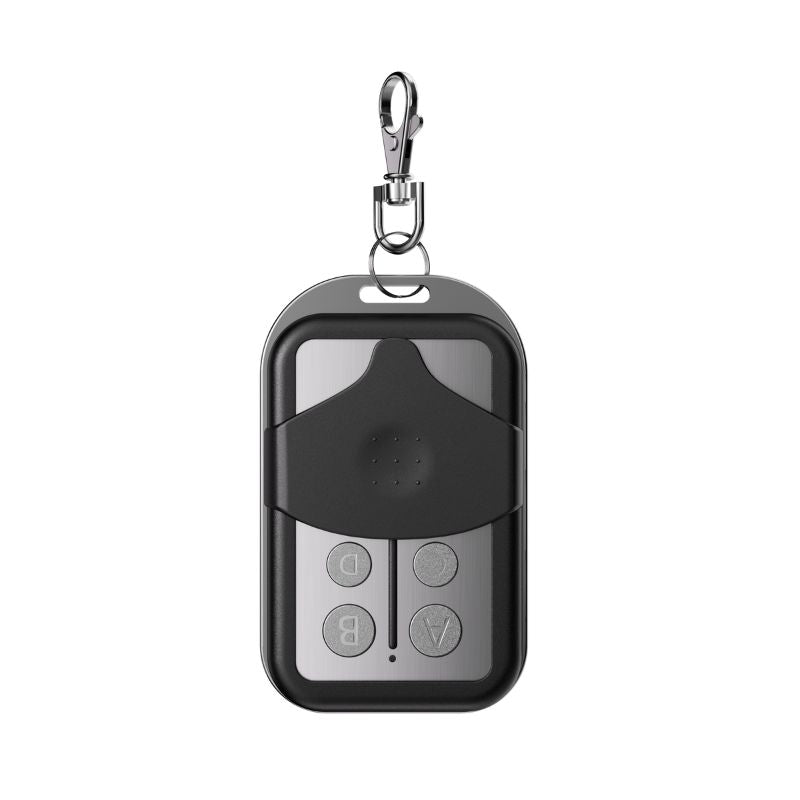

Gate openers are devices that automatically open and close gates. Instead of pushing or pulling a gate by hand, a gate opener does the work for you. With a remote, a keypad, a sensor, or even a smartphone app, your gate can open or close safely and automatically.
In this article, we’ll explain how gate openers work, he different types, and how they are powered. We will also give you a clear comparison table to help you understand which type might suit your home or business.
What Is a Gate Opener?
A gate opener is a mechanical system that moves your gate automatically. The main parts are:
-
Motor and Transmission – Moves the gate physically using a motor, gears, arms, or tracks.
-
Control Module – Receives commands from a remote, keypad, smartphone, or sensors.
-
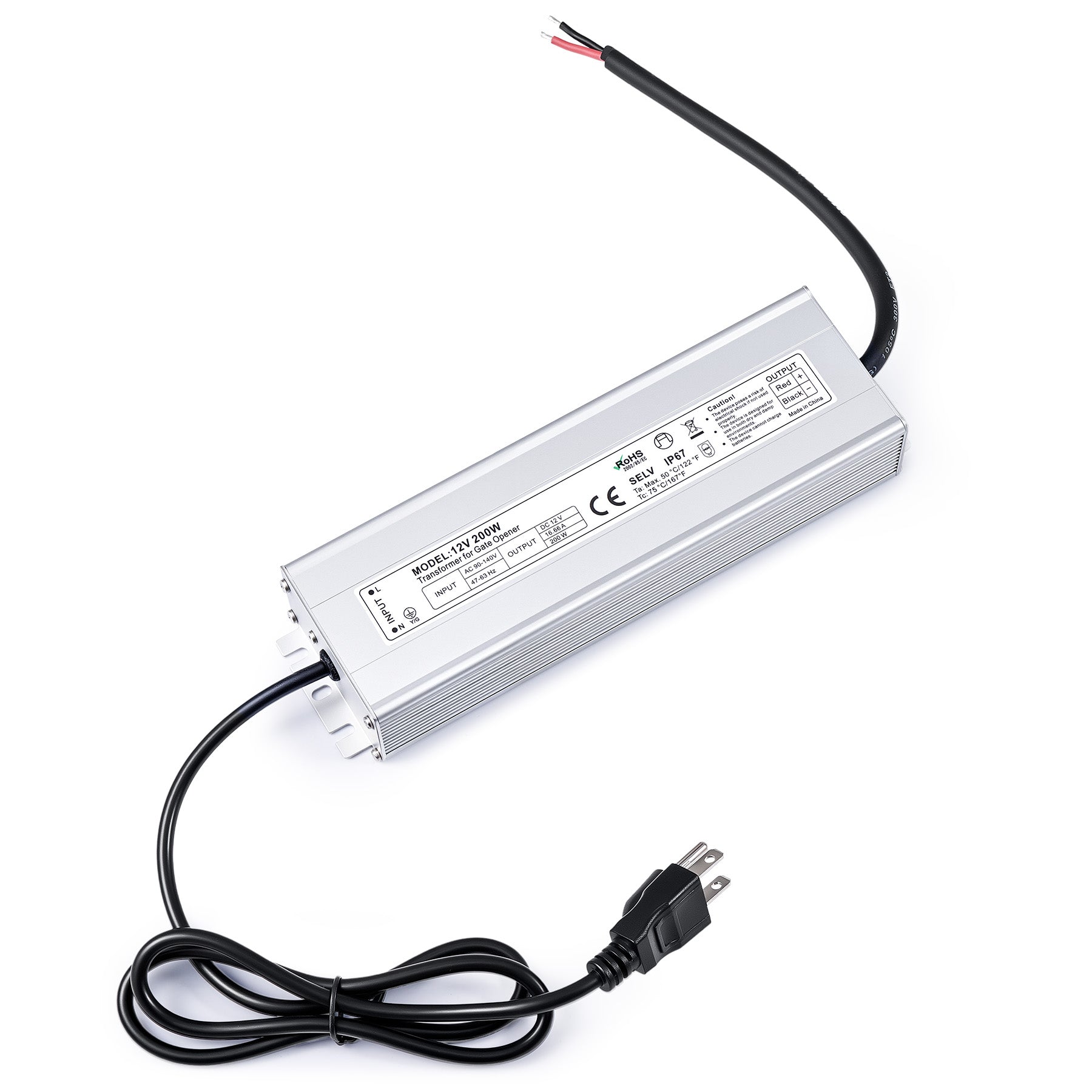
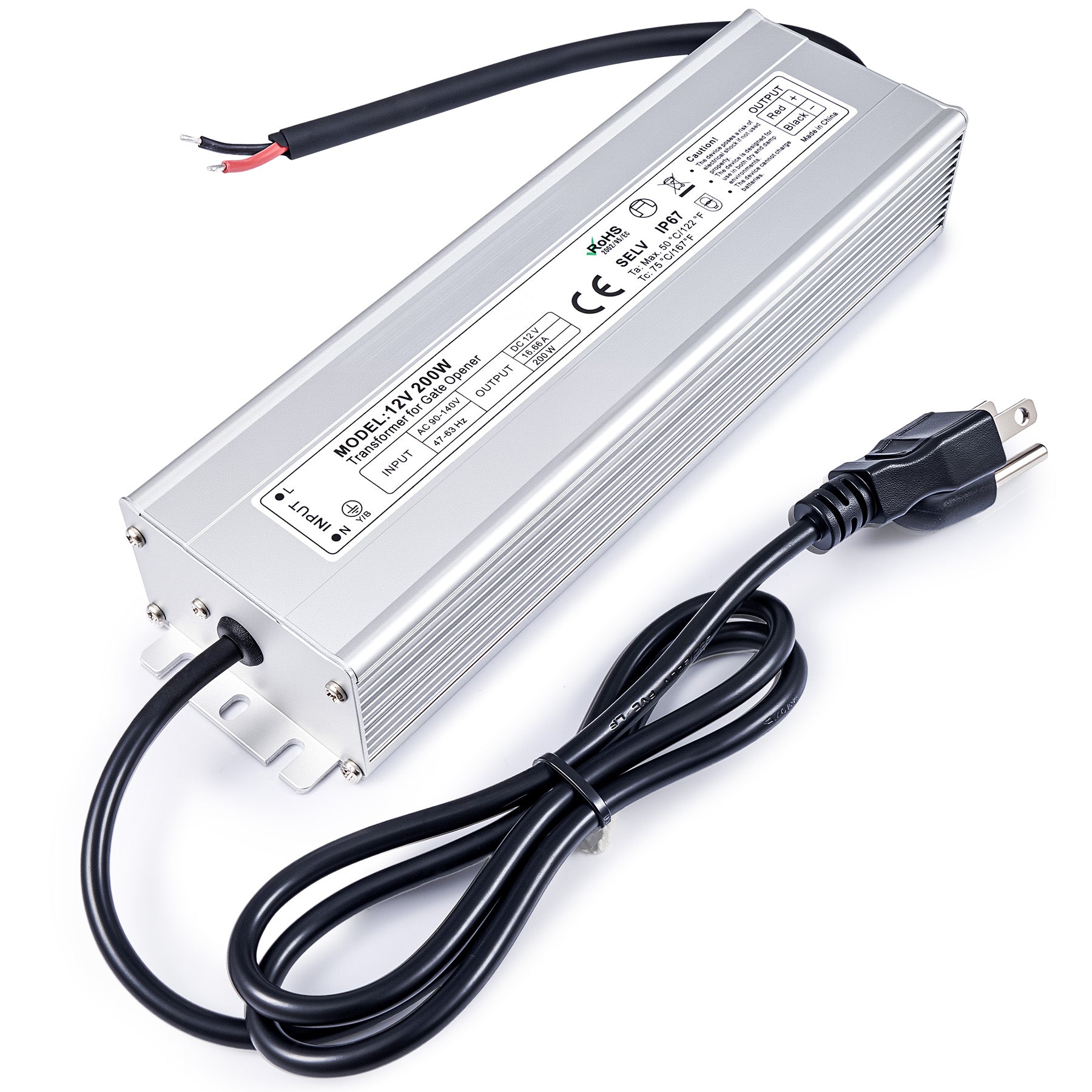
Power Source – Can be AC electricity, DC battery, or solar power.
-
Safety Devices – Limit switches, sensors, and manual release mechanisms to protect people and property.
In simple words: The gate opener listens for a signal, powers the motor, moves the gate, and stops when it reaches the correct position.
How Gate Openers Work
Gate openers work through motor-driven movement combined with control signals. Let’s look at the process step by step.
1. Power Supply
-
Electric Gate Openers: Connect directly to household AC power (110V or 220V).
-
Solar Gate Openers: Use solar panels to charge a battery. The battery powers the motor even when sunlight is low or at night.
-
Battery Backup Systems: Ensure the gate works during a power outage. Some models combine electricity, battery, and solar power.
2. Motor and Transmission
-
When you press “open” or “close,” the control module sends power to the motor.
-
The motor rotates fast, but the gate needs slow, strong motion. That’s why gears, arms, or rollers reduce speed and increase torque.
-
The motor then moves the gate through either a swinging motion (for swing gates) or sliding motion (for sliding gates).
3. Gate Movement
-
Swing Gates: Move like a door, swinging inward or outward. A linear arm or actuator connects to the gate leaf.
-
Sliding Gates: Move along a track sideways. A chain or rack system pulls the gate.
-
Dual Gates: Two leaves open together, each with a motor or coordinated arms.
-
Single Gates: Only one leaf, simpler design.
4. Limit and Safety
-
Limit switches stop the gate when it reaches the fully open or closed position.
-
Soft start and soft stop protect the gate and motor from damage.
-
Many gates have safety sensors to prevent the gate from closing on objects or people.
5. Manual Release
-
If power fails, most gate openers allow manual operation. You can pull a release cord or use a key to open or close the gate manually.
Control Signals: How the Gate Knows What to Do
The gate opener is not just about moving a motor—it also needs signals.
-
Remote Control: Press a button; the radio signal tells the control module to open or close.
-
Keypad or Card: Enter a code, swipe a card, or scan a fingerprint. The system checks the input and opens the gate if it’s correct.
-
Smartphone App: Control your gate from anywhere. Some systems can send notifications when the gate opens or closes.
-
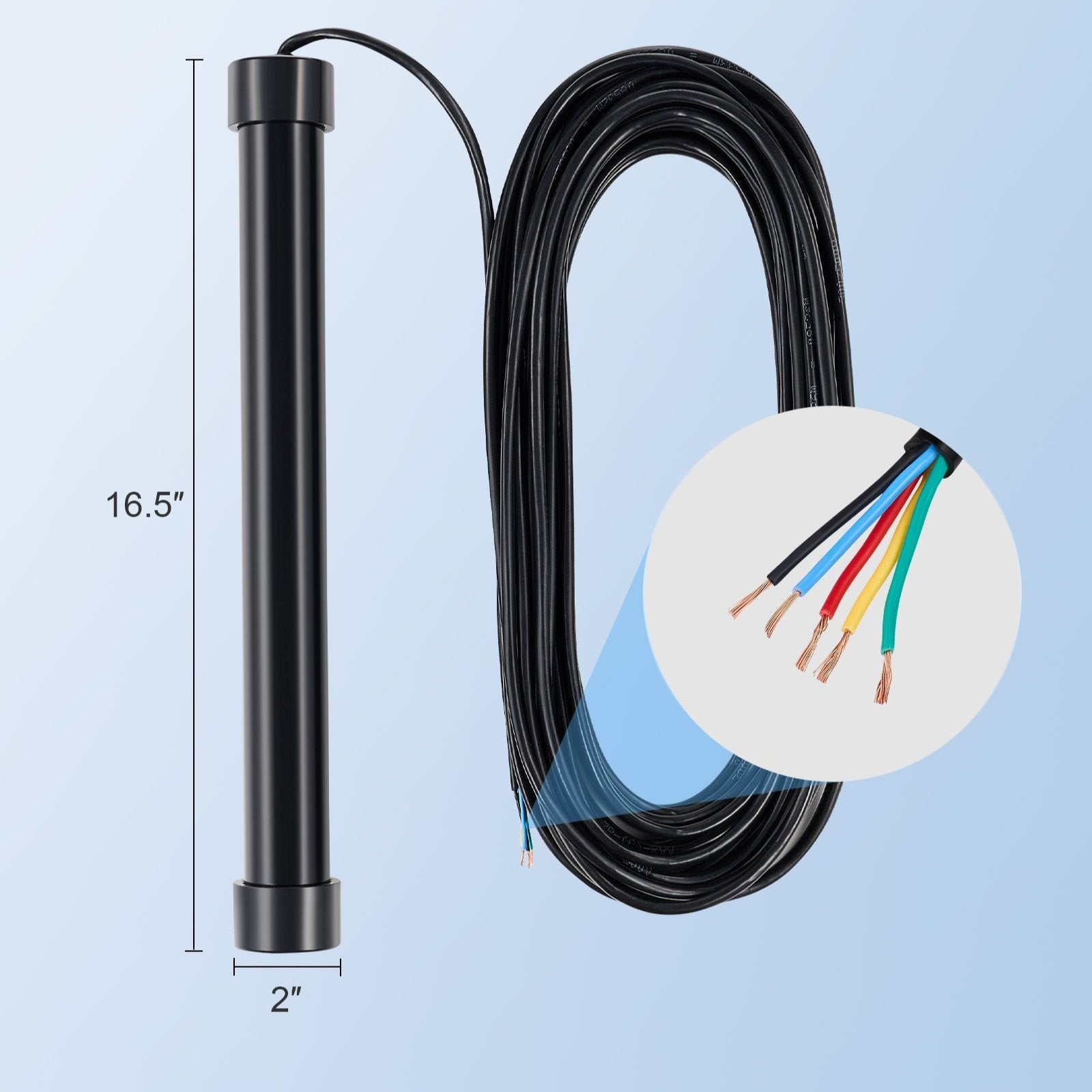
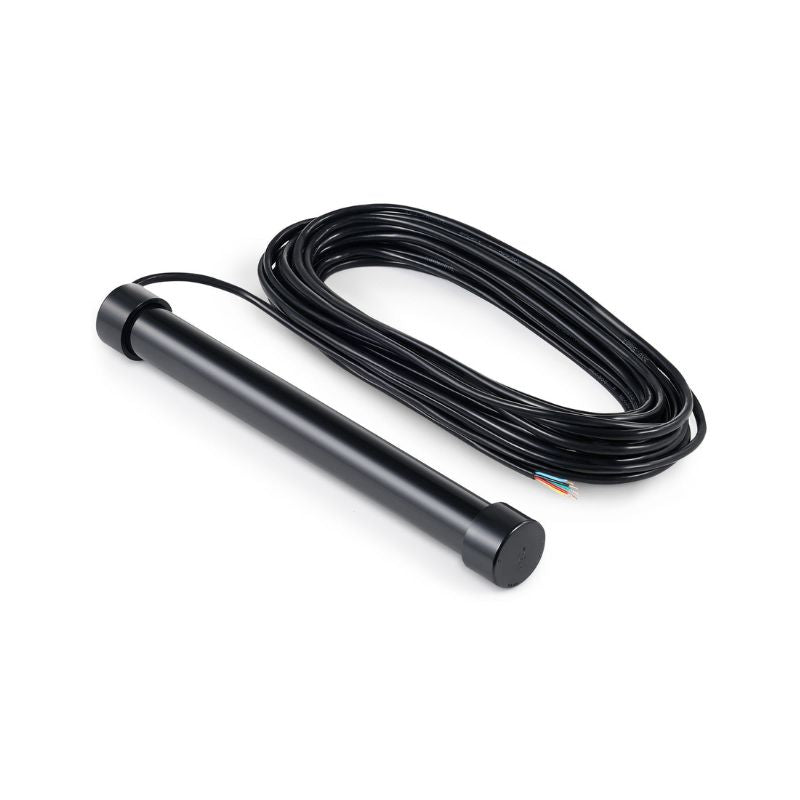
Sensors: Detect cars, motion, or objects. The gate opens automatically.
-
Feedback: The control module monitors the gate position and alerts you if something goes wrong.
Flow Summary: You send a command → Control module processes it → Motor runs → Gate moves → System confirms completion.
Gate Types and How They Work
Here’s a breakdown of common gate types, how they move, and which situations they are best for.
1. Swing Gate Openers
-
Single Leaf: One gate leaf swings open. Simple setup.
-
Dual Leaf: Two leaves swing open together. Motors are synchronized.
-
How it Works: The motor arm pushes or pulls the gate leaf along the hinge. Sensors stop it at fully open or fully closed.
-
Best For: Homes with enough space for the gate to swing inward or outward.
-
Keywords: swing gate opener, single swing gate opener, dual swing gate opener
2. Sliding Gate Openers
-
How it Works: Motor turns a chain, rack, or drive wheel to slide the gate along a track.
-
Best For: Places where swing gates are impossible due to space limitations.
-
Keywords: sliding gate opener, electric sliding gate opener
3. Solar or Battery-Powered Gate Openers
-
How it Works: Solar panels charge a battery. The motor uses battery power to operate the gate. Can also include electric or swing/sliding gates.
-
Best For: Remote areas, off-grid locations, or energy-saving solutions.
-
Keywords: solar gate opener, solar powered gate opener, solar power gate opener
4. Heavy vs Light Gates
-
Light Gates: Less than 300 lbs. Can use smaller motors.
-
Heavy Gates: More than 300 lbs. Require stronger motors, robust arms, and backup power.
-
Single vs Dual Gates: Single leaf is simpler; dual leaves need two motors or coordinated control.
Comparison Table
|
Type |
Gate Type |
Drive |
Power |
Best For |
|
Swing Single |
One leaf |
Motor arm |
Electric / Battery / Solar |
Residential, simple gates |
|
Swing Dual |
Two leaves |
Two arms |
Electric / Battery / Solar |
Wide entrances, commercial or home |
|
Sliding |
Sliding |
Chain / Rack / Roller |
Electric / Battery / Solar |
Space-limited areas |
|
Solar |
Swing or Sliding |
Same as above |
Solar panel + Battery |
Remote or off-grid areas |
|
Heavy Duty |
Large / heavy gates |
Strong motor + robust arm |
Electric + Battery / Solar + Battery |
Large homes, commercial gates |
Tips for Choosing a Gate Opener
-
Match motor power to gate weight and size.
-
Check power options: electricity, battery, solar backup.
-
Choose control method: remote, keypad, app, or sensor.
-
Look for safety features: obstacle detection, manual release, weatherproof rating (IP55).
-
Consider dual vs single leaf: Dual leaves need coordinated motors.
Summary: No matter the type, a gate opener works the same way: receive a command → run a motor → move the gate → stop safely. Pick the right motor, type, and power source based on your gate size, weight, and location.