Choosing the right automatic gate opener depends on several key factors, starting with the physical characteristics of your gate and how frequently it will be used. A proper match between gate type, motor capacity, and usage conditions ensures smooth operation, longer lifespan, and fewer maintenance issues.
Gate Type
The first step is to identify your gate type, as this determines the basic mechanism of the opener you need.
Swing gate opener
A swing gate opener is best suited for gates that open inward or outward on hinges. These systems work well on level driveways where there is enough clearance for the gate to swing freely without obstruction.
Depending on the layout, you may choose a single swing gate opener for narrow entrances or a dual swing gate opener for wider driveways. Swing gate systems are commonly used in residential properties due to their classic appearance and relatively simple installation.
Sliding gate opener
A sliding gate opener, on the other hand, is ideal for properties with limited space or uneven terrain. Instead of swinging open, the gate moves horizontally along a track or cantilever system.
This makes it particularly suitable for steep driveways, short entrances, or wide and heavy gates where swing clearance is not available. Sliding systems are often preferred in both residential and commercial environments where space efficiency is important.
Gate Dimensions
Beyond gate style, weight and length are critical factors in selecting the right motor. Every gate opener is rated for a maximum load capacity, and exceeding this limit can cause strain on the motor, resulting in reduced performance or premature failure.
It is essential to measure both the total weight and length of the gate accurately before choosing an operator. Heavier or longer gates require more powerful motors to ensure smooth and reliable movement.
Duty Cycle
Another important consideration is the duty cycle, which refers to how frequently the gate is expected to open and close each day.
Low-traffic residential gates may only require light-duty systems, while high-traffic entrances such as commercial properties, apartment complexes, or industrial facilities need heavy-duty or industrial-grade operators.
Choosing a system that matches the expected usage frequency helps prevent overheating and extends the lifespan of the motor.
Select Power Source
After identifying the gate type and physical requirements, the next step is choosing the right power source. The power system directly affects reliability, installation complexity, and long-term operating costs.
AC Power
AC Power (110V/220V) is the most common and reliable option for automatic gate openers. It provides consistent high power output, making it suitable for heavy gates and high-frequency use.
AC-powered systems are ideal for properties that already have easy access to a main electrical connection near the gate. They are widely used in residential communities, commercial buildings, and industrial entrances where stable performance is essential.
DC Power
DC Power with battery backup offers a more flexible and energy-efficient solution. These systems typically run on low-voltage DC motors powered by rechargeable batteries, which can be charged via AC power or solar panels.
One of the biggest advantages of this setup is that the gate can continue operating during power outages, ensuring uninterrupted access and security. This makes DC systems a popular choice for homeowners who want both efficiency and reliability in unpredictable power conditions.
Solar power gate openers
Solar power gate openers are ideal for remote or off-grid locations where running electrical wiring is difficult or expensive. By using solar panels to charge a battery system, these openers operate independently of the electrical grid.
They are especially suitable for farms, rural properties, and long driveways with strong sun exposure. While solar systems help reduce long-term energy costs and environmental impact, their performance depends heavily on sufficient sunlight, so proper panel placement and battery capacity are important for consistent operation.
Safety and Security Features
Safety and security features are essential when selecting an automatic gate opener, as they help prevent accidents, protect users, and enhance overall property security. A well-equipped system not only improves convenience but also ensures safe operation in everyday use.
Obstruction sensors
Obstruction sensors are one of the most important safety components in modern gate openers. These sensors detect any object in the gate’s path—such as a vehicle, person, pet, or obstacle—and immediately stop or reverse the gate’s movement.
This prevents accidents and reduces the risk of damage to both the gate and surrounding property. Obstruction detection is especially critical for homes with children or pets, as well as for high-traffic driveways where safety cannot be compromised.
Emergency release mechanism
An emergency release mechanism is another key feature that ensures manual operation when needed. In the event of a power outage, system failure, or technical malfunction, the emergency release allows users to disengage the motor and open or close the gate manually.
This feature is particularly important for residential and commercial properties where uninterrupted access is necessary at all times. It provides peace of mind knowing that the gate will never be completely locked due to a power or system issue.
Locking mechanisms
Locking mechanisms add an extra layer of security, especially for swing gate systems. Many automatic gate openers include built-in electric locks or compatibility with external locking devices that keep the gate securely closed when not in use.
These locking systems help prevent forced entry and unauthorized access, making them an important consideration for properties that prioritize security. In high-security environments, locking mechanisms are often combined with access control systems such as keypads, RFID readers, or smart controls for enhanced protection.
Control Accessories
Control accessories play a key role in how users interact with an automatic gate opener. They determine the level of convenience, accessibility, and automation available, allowing property owners to choose between simple manual control or fully smart operation systems.
Remotes and keypads
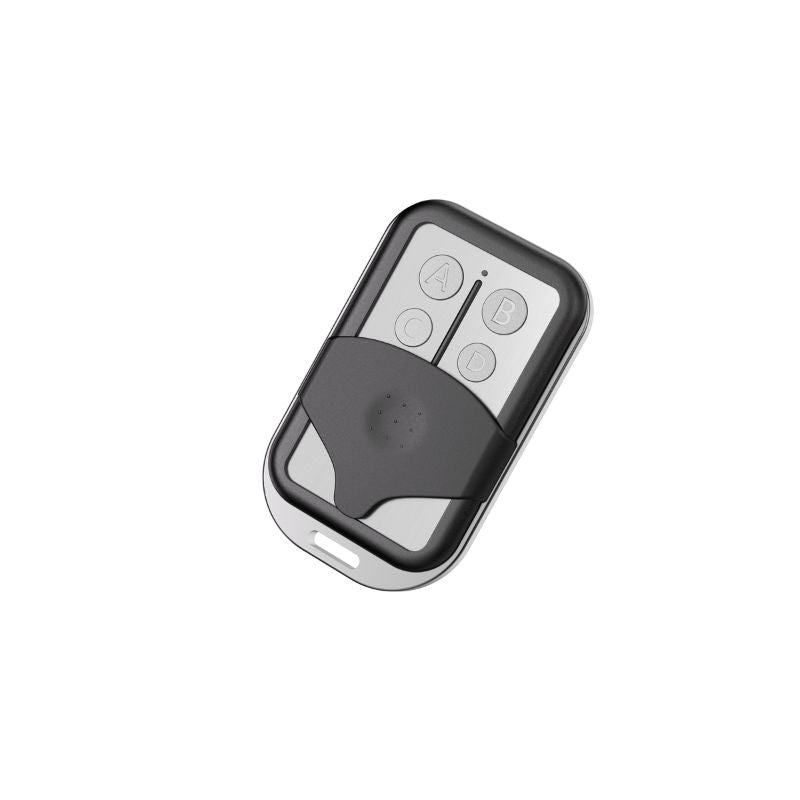
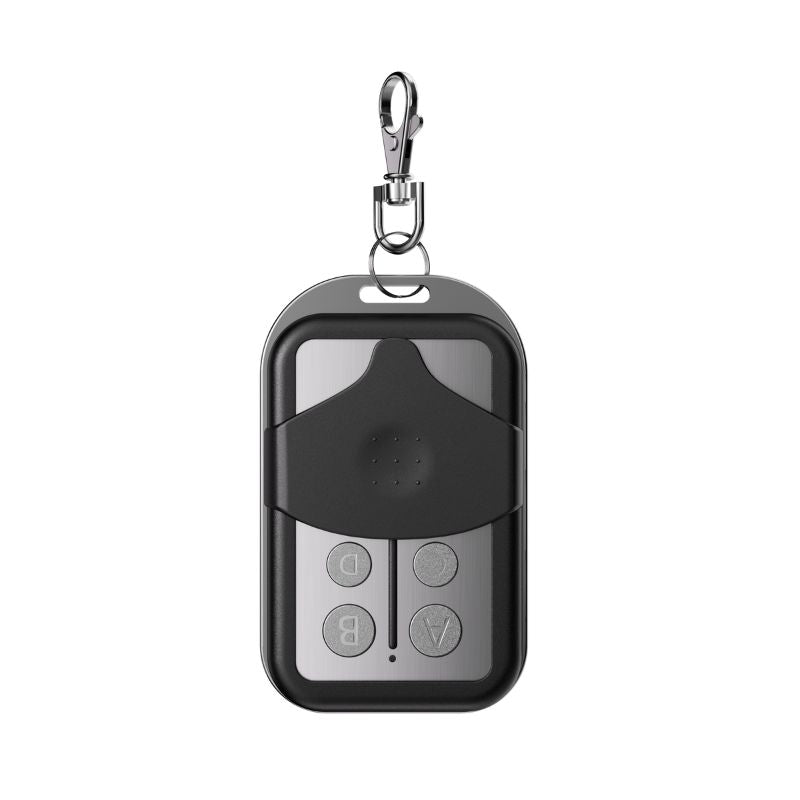
Remotes and keypads are the most traditional and widely used control methods.
Remote controls allow users to open or close the gate with a simple button press from inside a vehicle or nearby area, offering quick and convenient access.
Keypads, on the other hand, require users to enter a PIN code to operate the gate, making them a practical solution for shared properties or locations with multiple users.
Smartphone apps
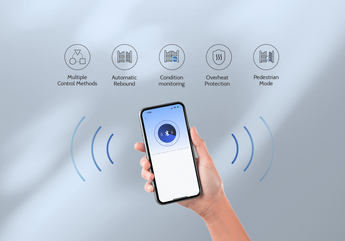
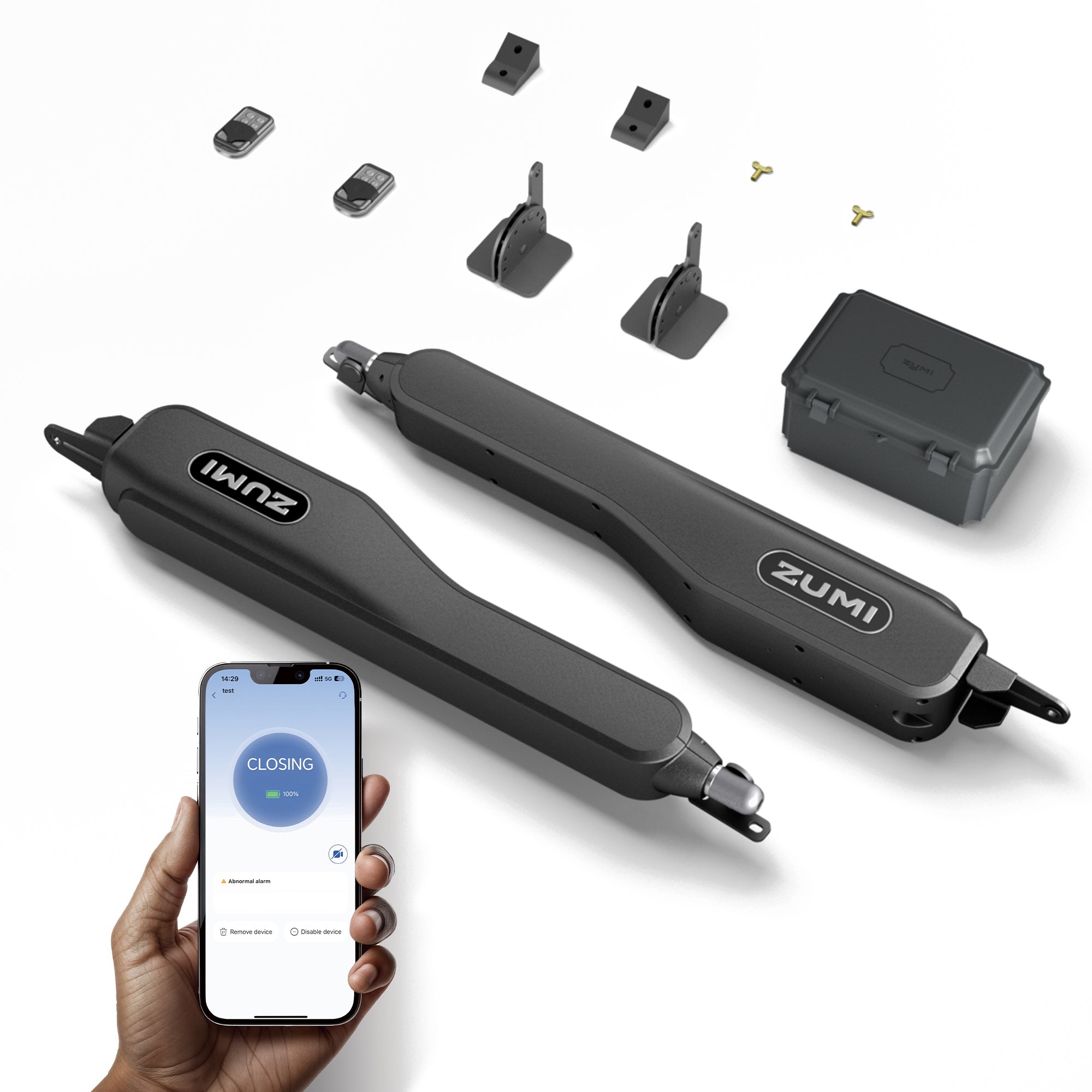
Zumi smartphone apps represent a more advanced and modern control method. By connecting the gate opener to WiFi, Bluetooth, or cellular networks, users can operate and monitor the gate remotely from anywhere.
This allows real-time access control, notifications, and even activity tracking, making it ideal for homeowners who want full visibility and control over property access while away from home.
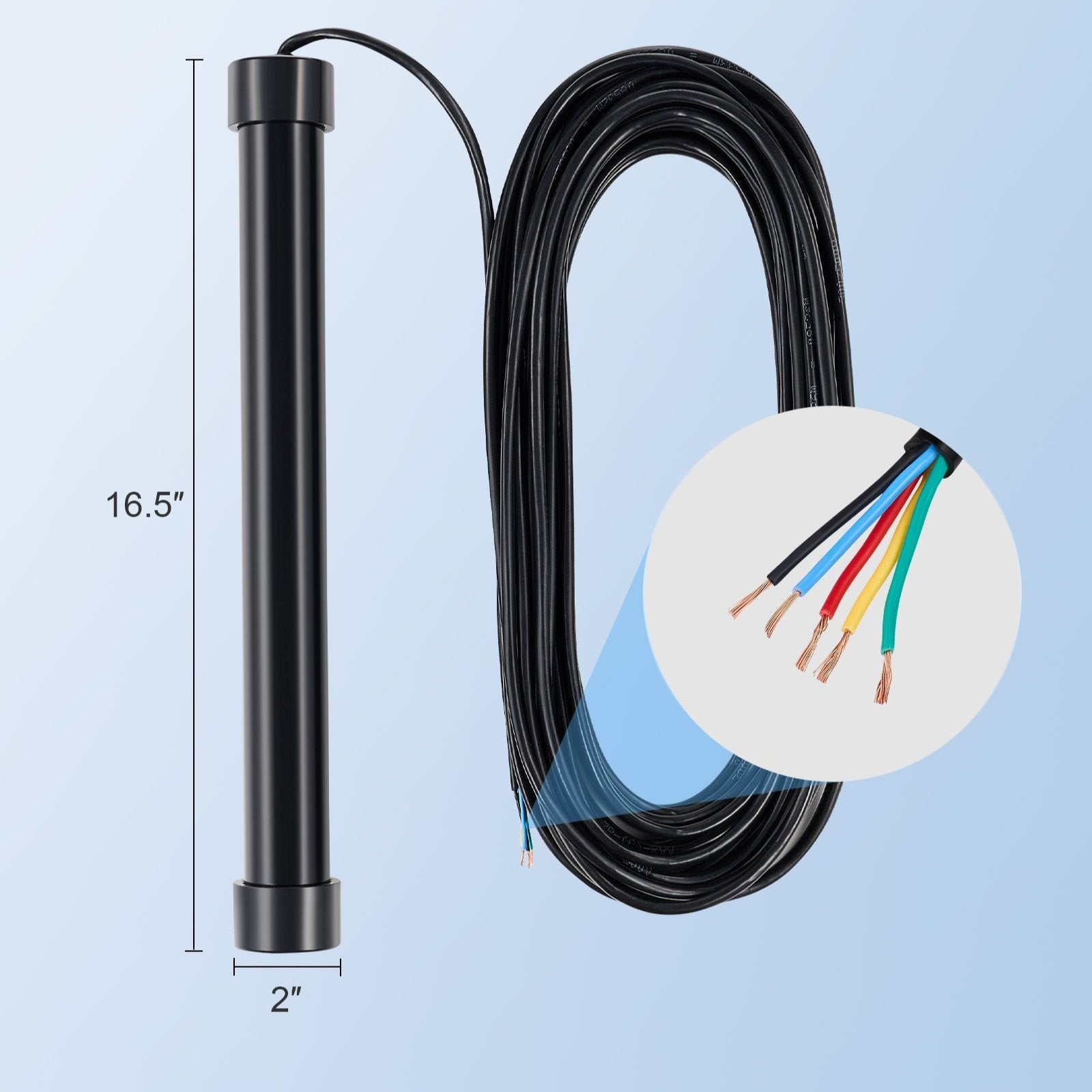
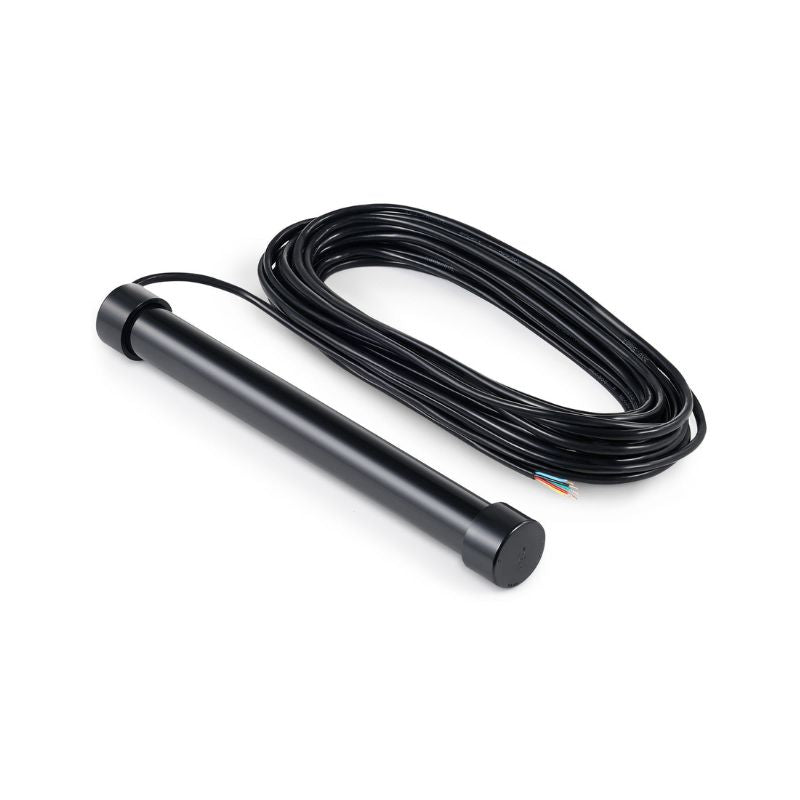
Vehicle sensors and loop detectors provide a fully automated, hands-free experience. Loop detectors are typically installed beneath the driveway surface and can detect the presence of a vehicle, automatically triggering the gate to open or close.
This is especially useful for high-traffic entrances such as commercial properties, parking lots, or gated communities where frequent entry and exit are required. These systems improve traffic flow, reduce waiting time, and enhance overall operational efficiency.
Full Guide to Smart Automatic Gate Opener
Why Buy a Gate Opener? Your Key Benefits
Automating your gate brings significant improvements in security, convenience, and daily usability compared to manual gates:
Hassle‑Free Entry & Exit: An automatic gate opener lets you open and close your gate without leaving your vehicle, using remotes, keypads, or smartphone control.
Enhanced Property Protection: With electric gate openers and built‑in security features like encrypted controls, your home stays safer from unauthorized access.
Reliable All‑Weather Performance: Zumi openers are engineered for outdoors, supporting both swing gate motors and solar gate openers, giving you dependable operation rain or shine.
Versatile Power Options: Choose from electric, battery-powered, or solar models so you can automate gates even where traditional power isn’t available.
Suitable for Many Gate Types: From standard swing gate openers to dual swing gate openers for double gates, Zumi has solutions for various driveway layouts.
Types of Gate Openers in This Collection
Zumi’s Gate Openers collection includes a variety of models designed to fit different needs and driveway setups:
Single Swing Gate Openers Automatic systems for single swing gates. These reliable electric or solar units are ideal for most residential entrances and support remote and app control.
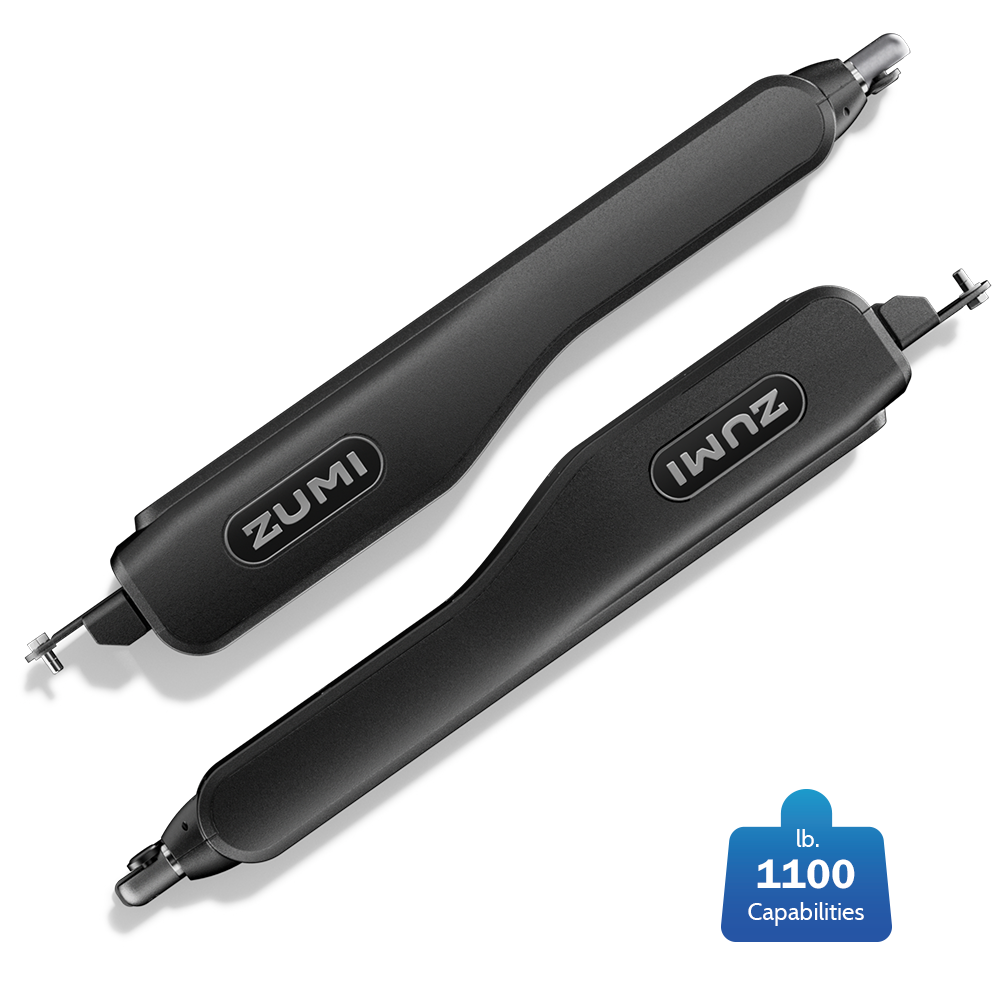
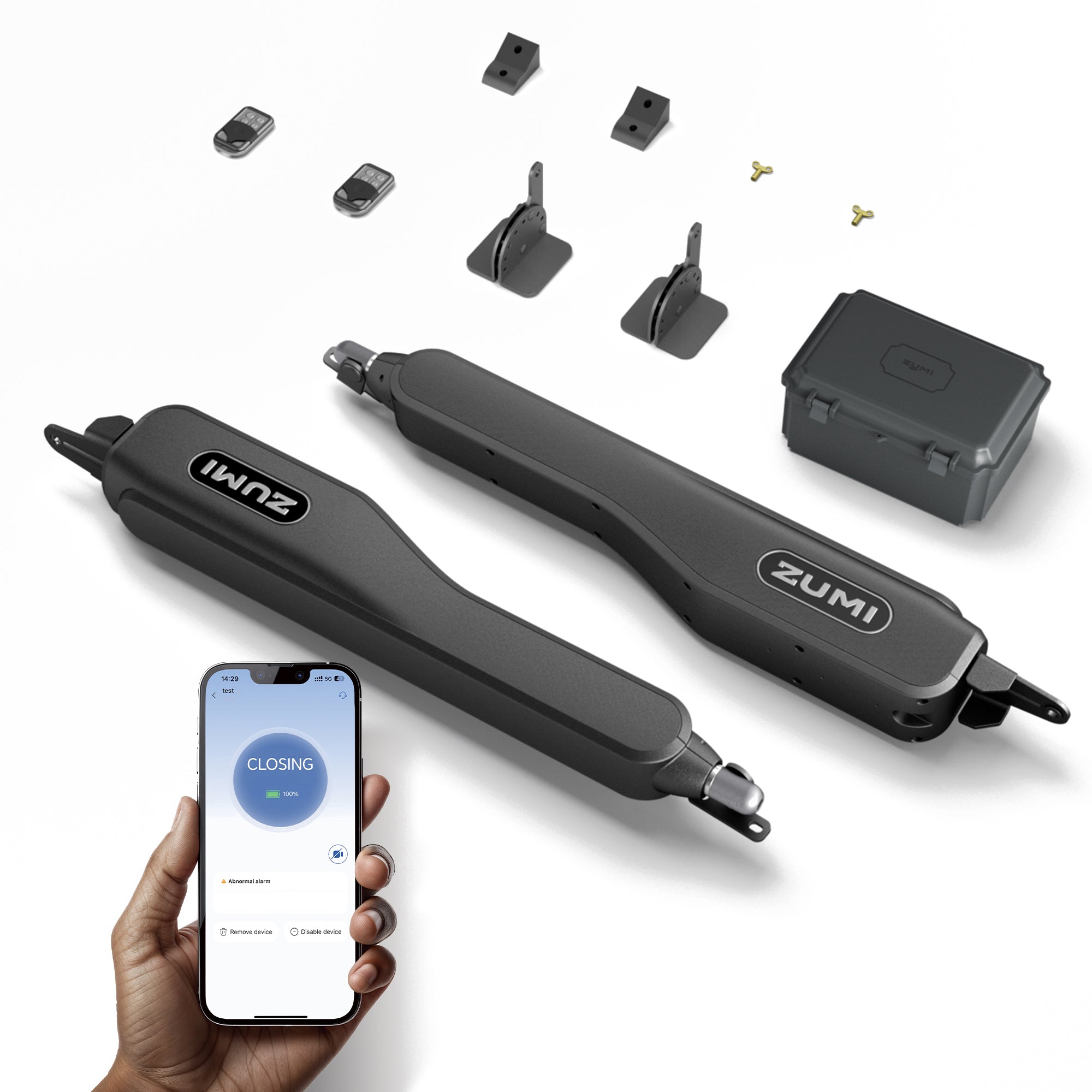
Dual Swing Gate Openers Designed for double swing gates, these models can handle two leaves with synchronized motors, available in both electric and solar-powered configurations.
Solar Gate Openers Solar-powered gate openers include a built‑in battery, perfect for locations without direct AC power while delivering environmentally friendly automation.
Electric Gate Openers & Swing Gate Motors
Electric gate openers are hardwired systems that typically provide higher power and consistent performance for frequent use. Swing gate motors are the core drive units that make automation smooth and efficient.
Control Options
Across the collection, you’ll find systems compatible with remote control, keypad entry, and app integration, giving you flexible access methods to match your lifestyle.
What to Consider Before Buying
Before choosing a gate opener, here are the most important factors to think about:
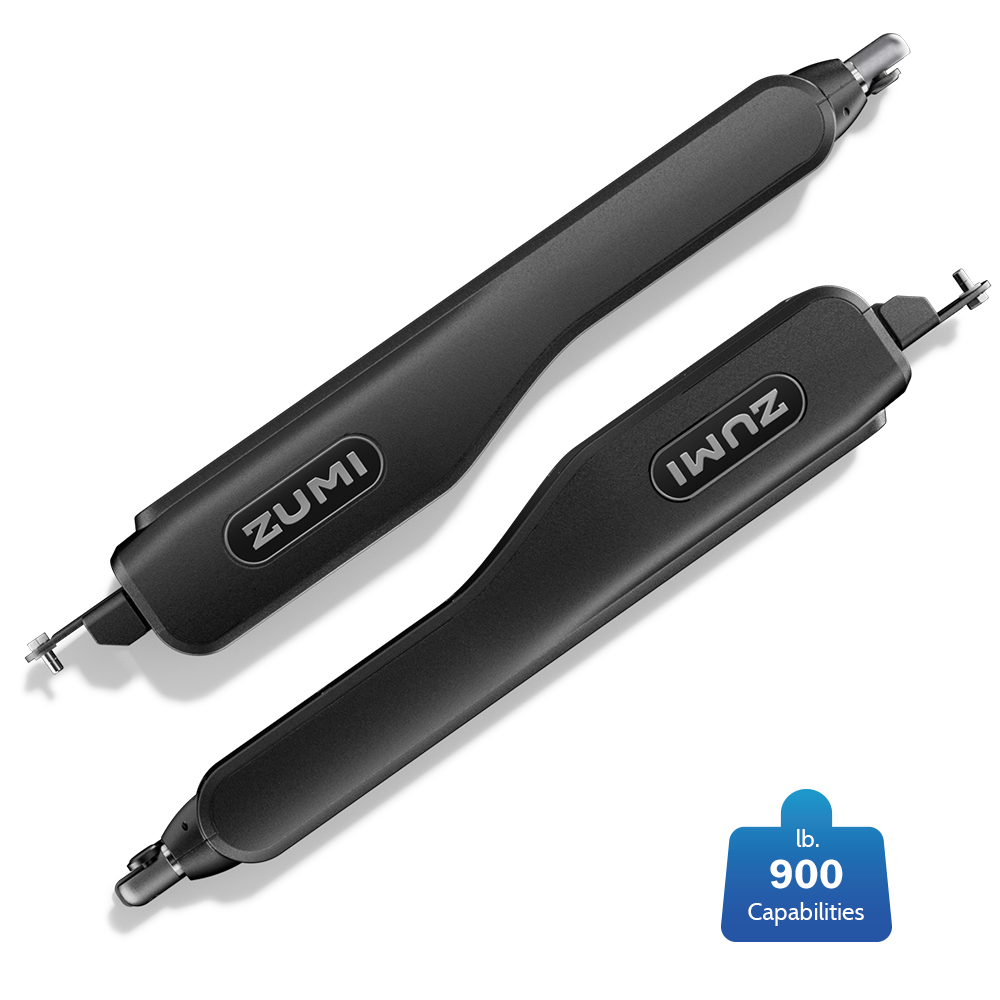
Gate Weight & Width: Check your gate’s size and weight to choose a model that can handle the load (e.g., 900 lb or 1100 lb capacity options).
Power Source: Decide whether you prefer a conventional electric gate opener or a solar swing gate opener with battery for off‑grid use.
Control Preferences: Think about whether you want remote control, keypad access, smartphone control, or a combination of all.
Installation: Most Zumi openers are DIY‑friendly, but heavier or dual systems may benefit from professional installation to ensure optimal safety and performance.
Safety & Sensors: Look for features like auto‑stop, encrypted rolling codes, and compatibility with safety beams and motion sensors for accident‑free operation.
Other Products You Might Like
Zumi’s lineup extends beyond gate openers—explore these complementary products to elevate your access control setup
Garage Door Openers Reliable openers for residential garage doors with app and remote control, safety sensors, and smooth operation. Great for automating your vehicle entry system inside the garage.
Driveway Gates Complete your property entrance with Zumi driveway gates that match your gate opener system. Available in styles that enhance curb appeal while providing sturdy, secure barriers.
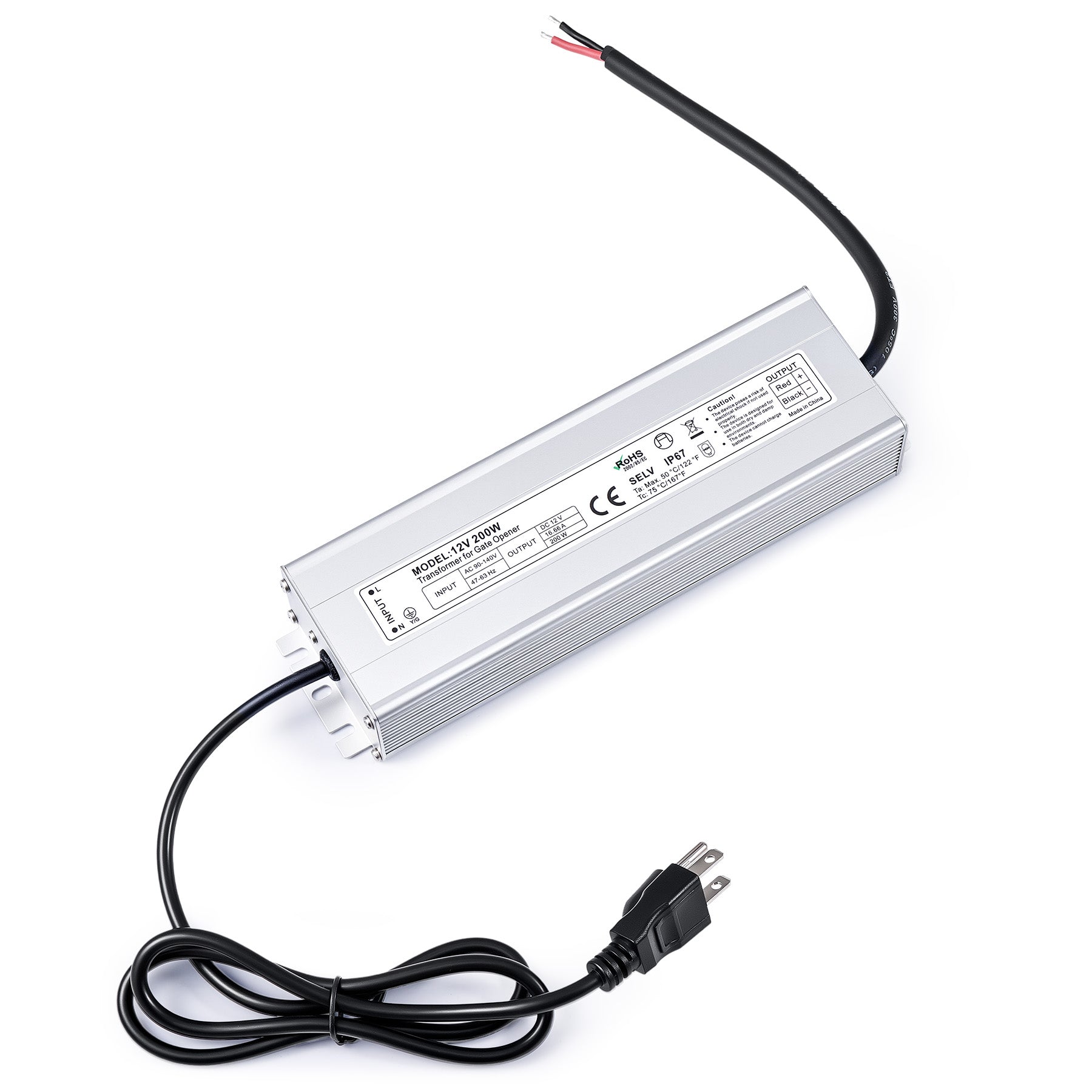
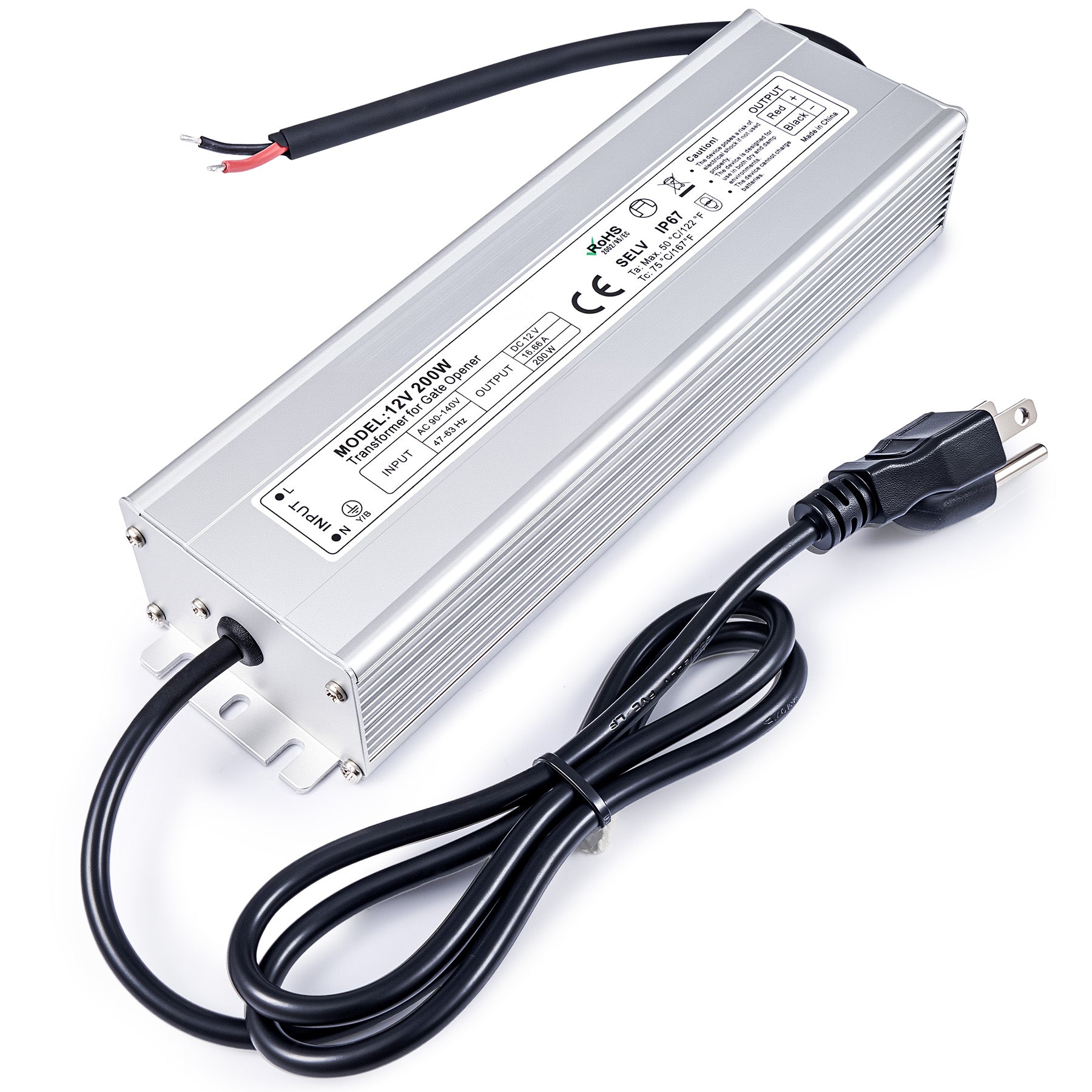
Accessories From remote controls and keypads to exit sensors and power transformers, accessories help you customize, upgrade, or maintain your gate opener system with ease
Types of Gate Openers By Opening Mechanism
Gate openers come in several types based on how the gate moves and the environment in which it is installed. Choosing the right type depends on your gate design, available space, and usage needs. Below are the most common types of gate openers and how they differ.
Sliding Gate Openers
Sliding gate openers are designed for gates that move horizontally along a track or rail. They are ideal for properties with limited space behind the gate, as they do not require room to swing open.
automatic sliding gate opener A general term for motorized sliding gates that open and close automatically using remotes, sensors, or smart systems. These are widely used in residential driveways and commercial entrances.
cantilever gate opener Unlike traditional sliding gates, cantilever gates do not require a ground track. Instead, they are supported by rollers mounted on posts. This makes them ideal for uneven surfaces, gravel driveways, or areas with snow and debris.
Best for: Driveways with limited depth, sloped surfaces, or heavy-duty commercial use.
Swing Gate Openers
Swing gate openers operate gates that open inward or outward like a door. They are one of the most popular options for residential properties due to their classic appearance and simple mechanism.
single swing gate opener Designed for gates with one panel. Suitable for smaller entrances or properties with limited width.
dual swing gate opener Used for driveway gates with two panels that open from the center. Common in larger driveways and estate-style entrances.
articulated arm gate opener Uses a jointed (elbow-like) arm to push and pull the gate. Ideal for installations with large or decorative gate posts where standard linear arms may not fit.
underground gate opener Installed beneath the gate, making the mechanism completely hidden. This type is preferred for high-end properties where aesthetics are important.
Best for: Homes, villas, and properties with sufficient space for gate movement.
Rolling / Roller Gate Openers
Rolling or garage gate openers are typically used for gates that roll upward into a compact coil, similar to garage roller doors. These are common in commercial and industrial settings but are also used in residential garages.
rolling gate opener Powers a gate that rolls up vertically, saving horizontal space.
roller door opener Specifically designed for roller-style doors, often found in garages, storage units, and warehouses.
Best for: Garages, storage facilities, and properties with limited side space.
Industrial Gate Openers
Industrial gate openers are built for heavy-duty applications and high-frequency use. They are typically more powerful and durable than residential models.
railcar gate opener Designed for large-scale industrial environments such as rail yards, factories, and logistics centers. These systems handle extremely heavy gates and require robust automation solutions.
Best for: Factories, warehouses, transportation hubs, and high-security facilities.
Types of Gate Openers by Power Source
Gate openers can also be classified based on how they are powered, which plays a crucial role in their performance, installation requirements, and long-term operating costs. The most common power options include electric, solar, and battery-powered systems, each suited to different environments and user needs.
Electric Gate Opener
An electric gate opener is the most widely used type, powered by a direct connection to the main electrical supply. These systems are known for their consistent performance and are ideal for properties with easy access to grid power.
Electric gate openers are commonly installed in residential homes, commercial properties, and gated communities, offering reliable operation with minimal interruptions. They are especially suitable for high-traffic areas where the gate needs to open and close frequently throughout the day.
Solar Gate Opener
A solar gate opener uses energy from sunlight to operate, making it an excellent choice for remote or off-grid locations. Equipped with solar panels and rechargeable batteries, these systems store energy during the day and use it to power the gate when needed.
Solar gate openers are particularly popular on farms, ranches, and rural properties where running electrical wiring would be costly or impractical. In addition to reducing electricity bills, they are also an environmentally friendly option. However, their performance depends on sunlight availability, so a backup battery is often recommended for cloudy days or extended use.
FAQs About Gate Openers
What is the Difference between Commercial and Residential Gate Operators?
The difference between commercial and residential gate operators mainly comes down to usage, power, and durability.
Residential gate operators are designed for light to moderate daily use in homes, offering quieter operation, lower cost, and basic features like remote or keypad control for convenience.
In contrast, commercial gate operators are built for high-traffic environments such as apartment buildings, warehouses, and industrial sites, where gates open and close frequently throughout the day.
Do I need a permit for an automatic gate?
In many cases, yes—you may need a permit for an automatic gate, but it depends on your local building codes and the type of installation.
However, for simpler upgrades—such as adding an automatic gate opener to an existing gate with no major structural changes—some areas may not require a permit.
Requirements can vary significantly between cities, counties, and homeowner associations (HOAs), so it’s always important to check local regulations before installation.
What are the benefits of an automatic gate opener?
An automatic gate opener improves convenience, security, and safety by allowing remote or automatic access without manual operation. It helps control entry to a property using remotes, keypads, or smart systems, while built-in sensors enhance safety by preventing accidents. It also saves time, reduces effort, and can increase property value and curb appeal.
What is the average lifespan of an automatic gate opener?
The average lifespan of a gate opener typically ranges from 10 to 15 years, depending on the quality of the system, usage frequency, environmental conditions, and maintenance practices. High-quality residential gate openers that are properly installed and regularly maintained can often last even longer.
In contrast, high-traffic commercial or industrial gate openers usually experience more wear and tend to last around 7 to 10 years due to frequent cycling and heavier operational demands.
How much does an automatic gate opener cost?
The cost of an automatic gate opener can vary widely depending on the gate type, motor strength, power system, and installation complexity. On average, the gate opener kit alone typically costs between $400 and $5,000, while professional installation and full system setup can bring the total cost to around $3,000 to $7,000+ for most residential and commercial projects.
How do I make my gate open automatically?
To make your gate open automatically, install an automatic gate opener powered by electricity or solar energy. These systems use remote controls, keypads, or smartphone apps for seamless operation. For added convenience and security, integrate motion sensors, safety detectors, and smart home automation. Whether you have a swing gate, an automatic opener ensures effortless access while enhancing property security.
Can I program my phone to open my gate?
Yes, you can program your phone to open your gate by using a WiFi or Bluetooth-enabled automatic gate opener. These systems connect to a smartphone app, allowing you to open, close, and monitor your gate remotely. Some models also support voice commands (Alexa, Google Assistant) and scheduled access for added convenience.
What type of entrance gates work with your gate openers?
Our gate motors are compatible with swing gates, and custom gate doors.
Can you install an automatic gate yourself?
Yes, you can install an automatic gate opener yourself, but it depends on the type of system and your level of experience.
DIY installation is most suitable for light-duty residential gate openers, especially solar or plug-and-play kits designed for swing or sliding gates, but for larger, heavier, or more complex setups, hiring a professional is usually the safer and more reliable option.

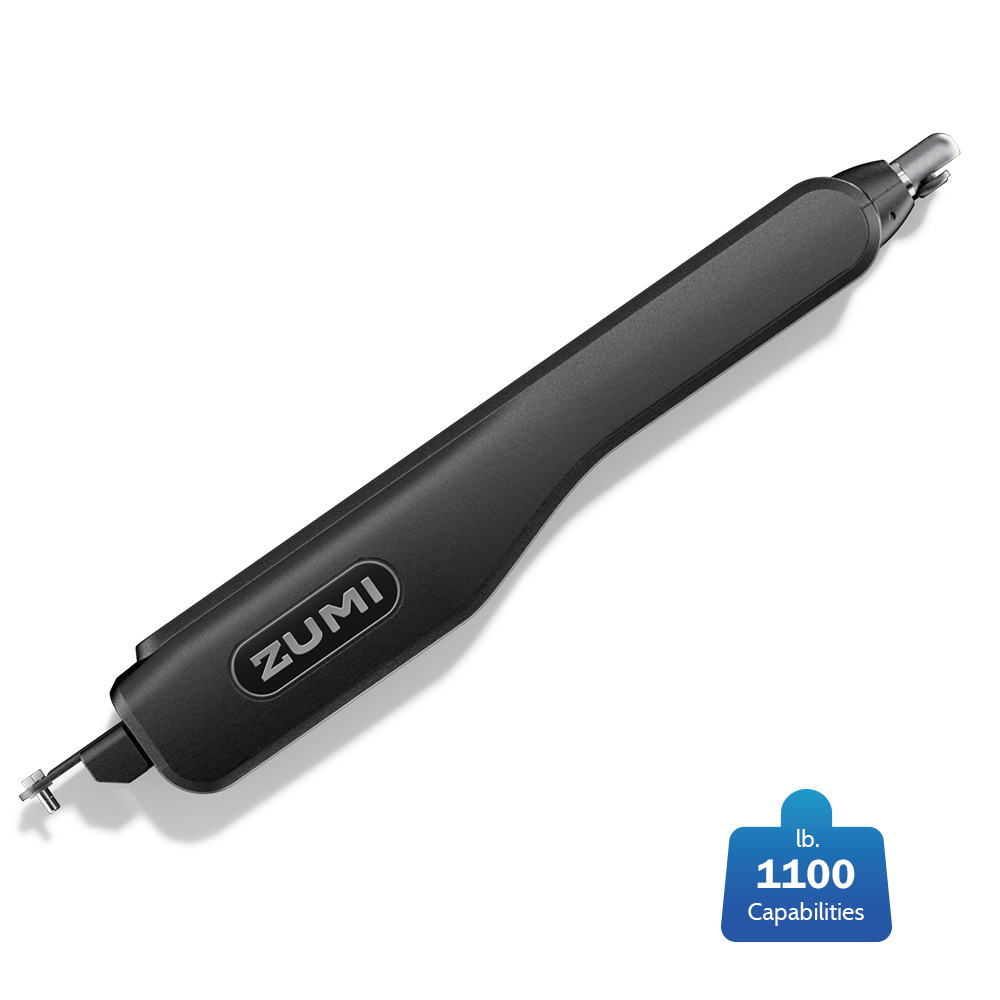
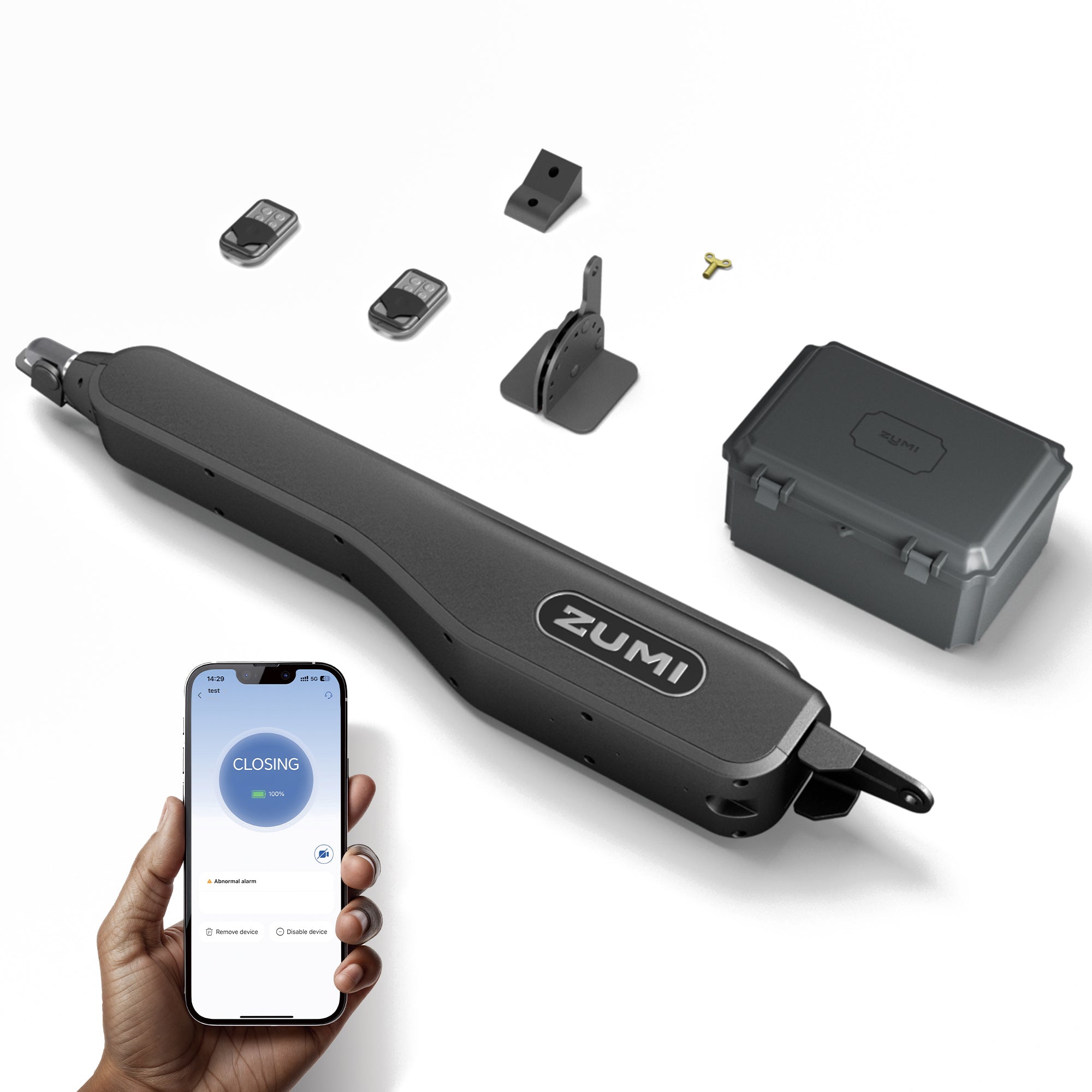
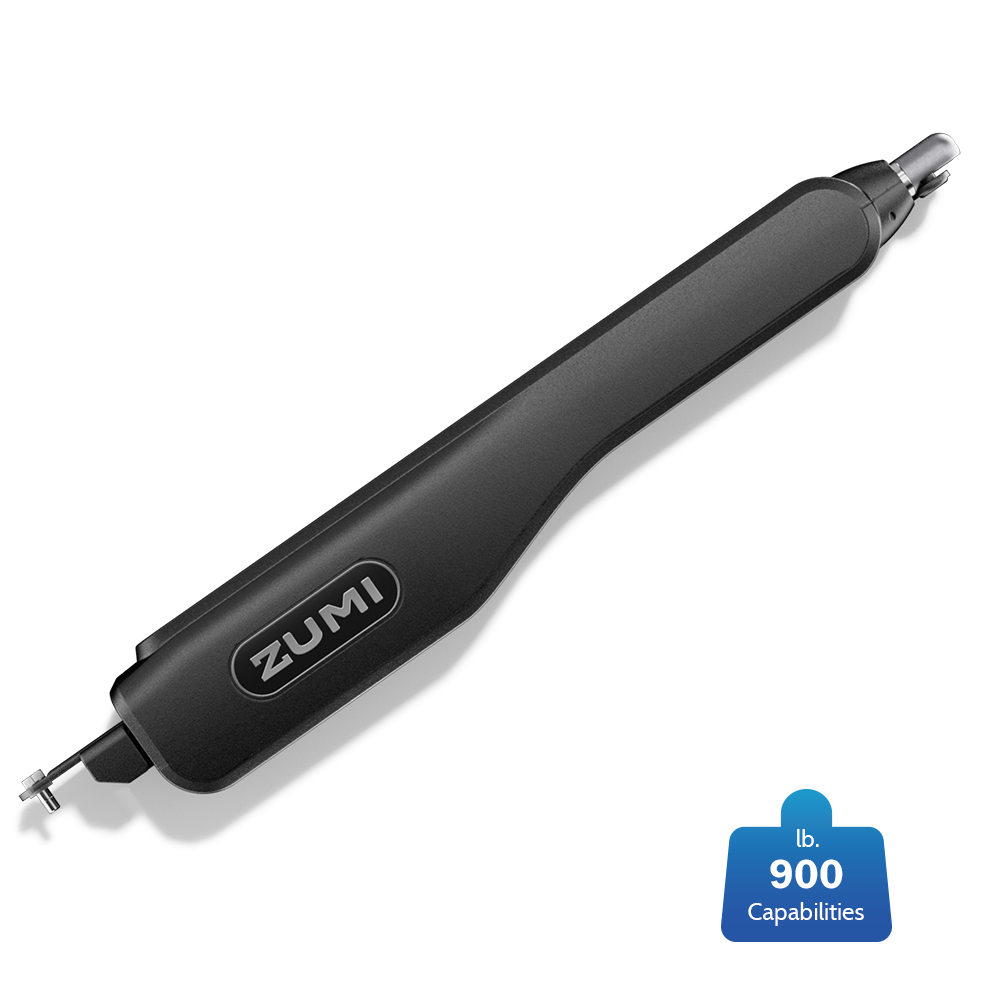
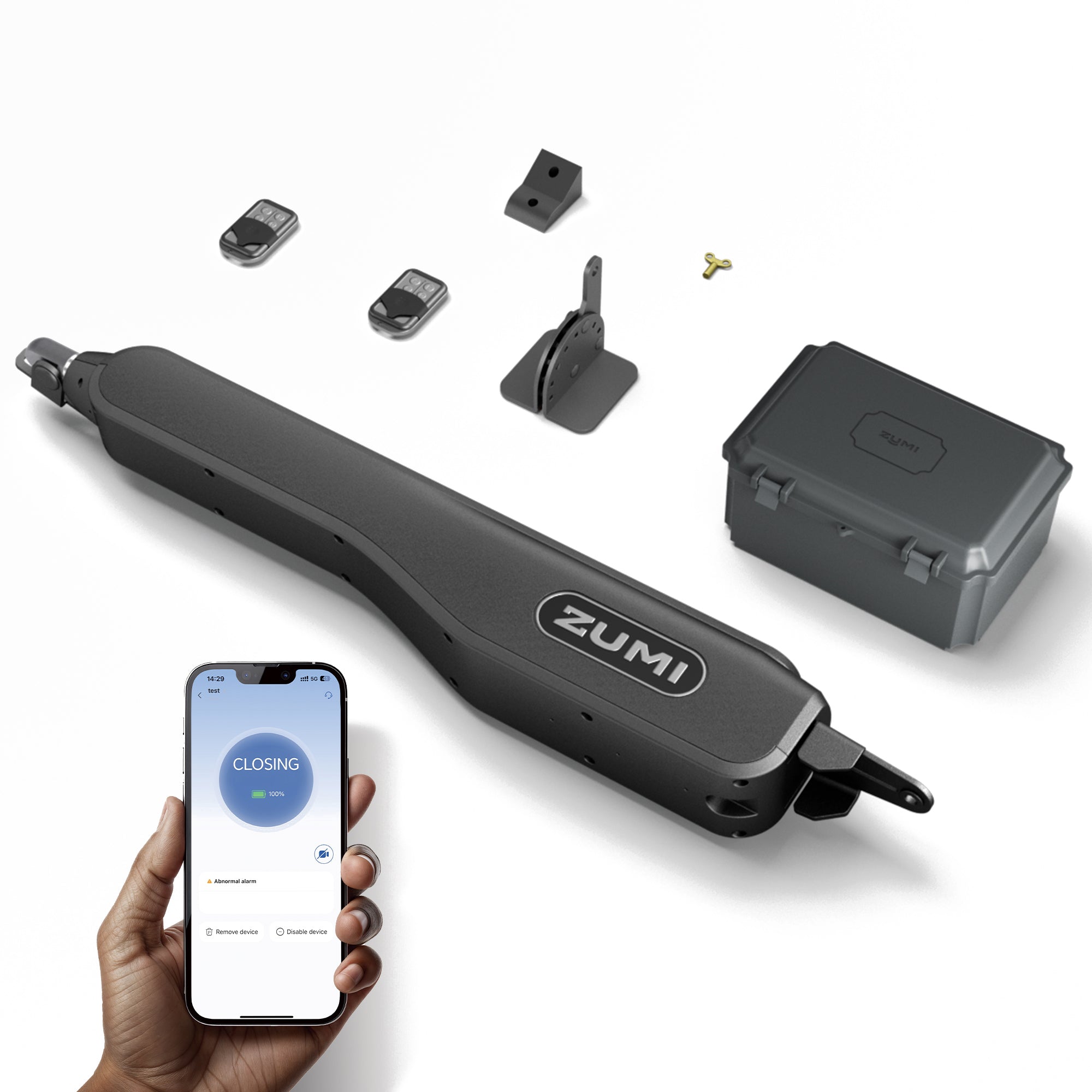
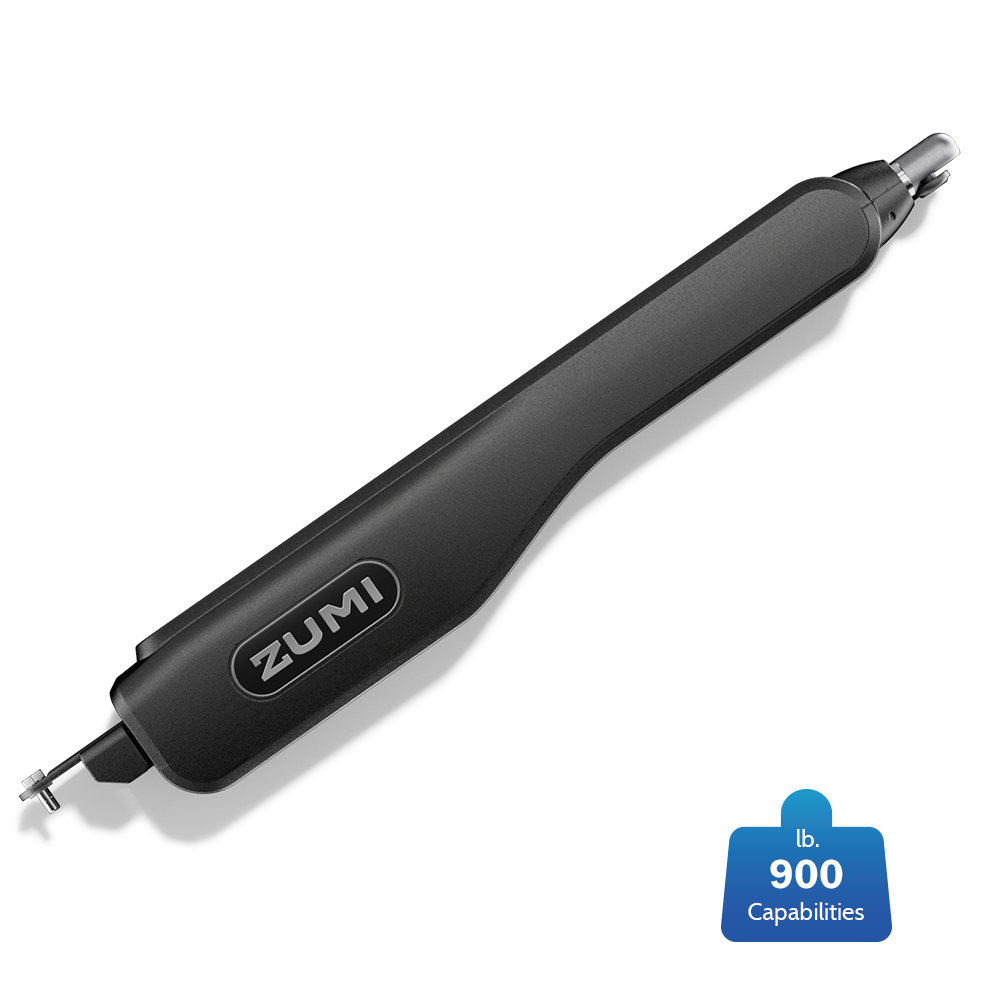
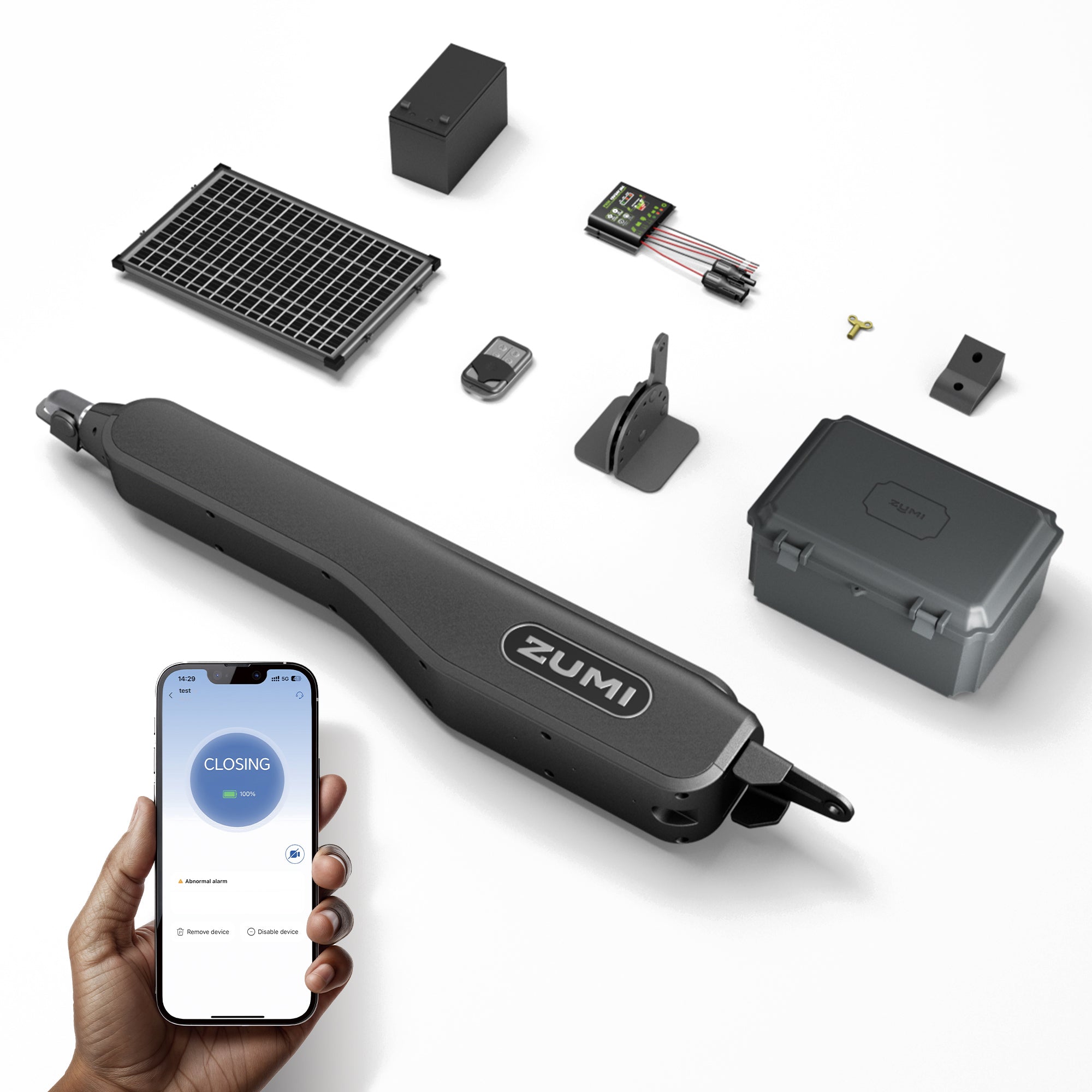
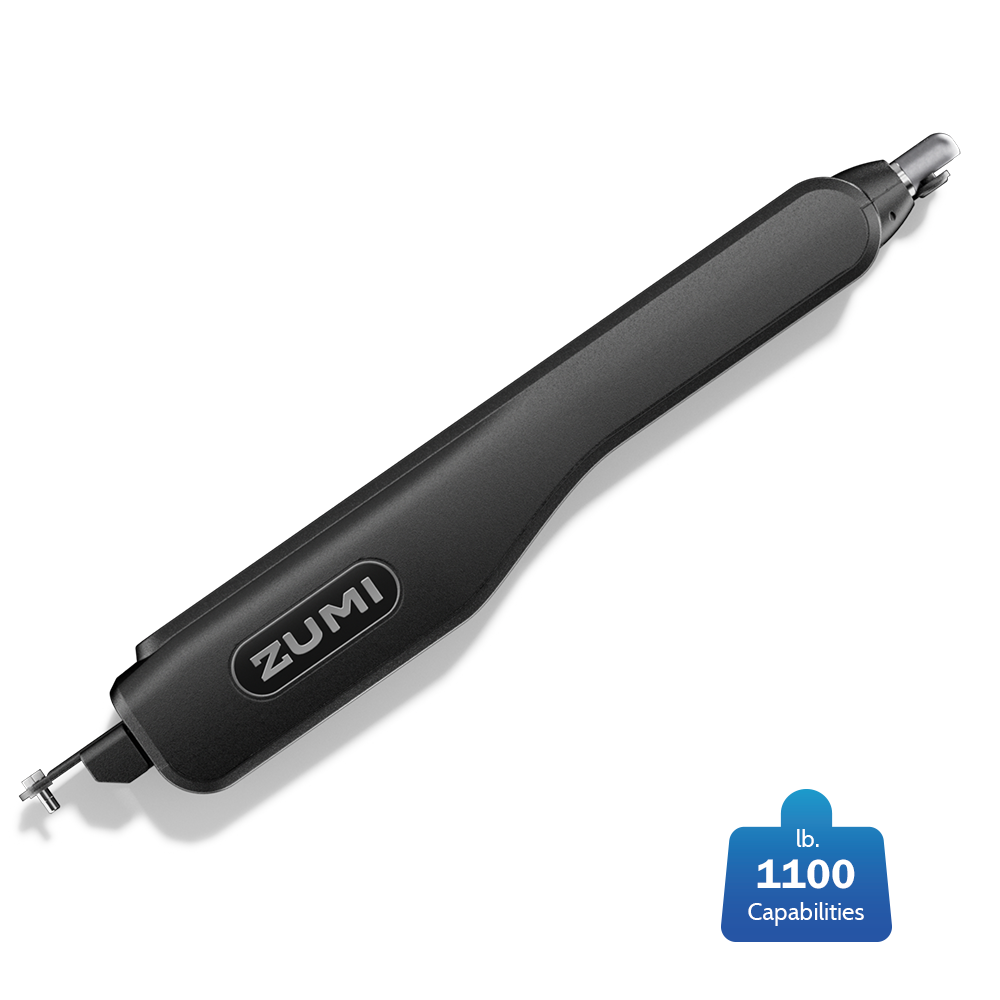
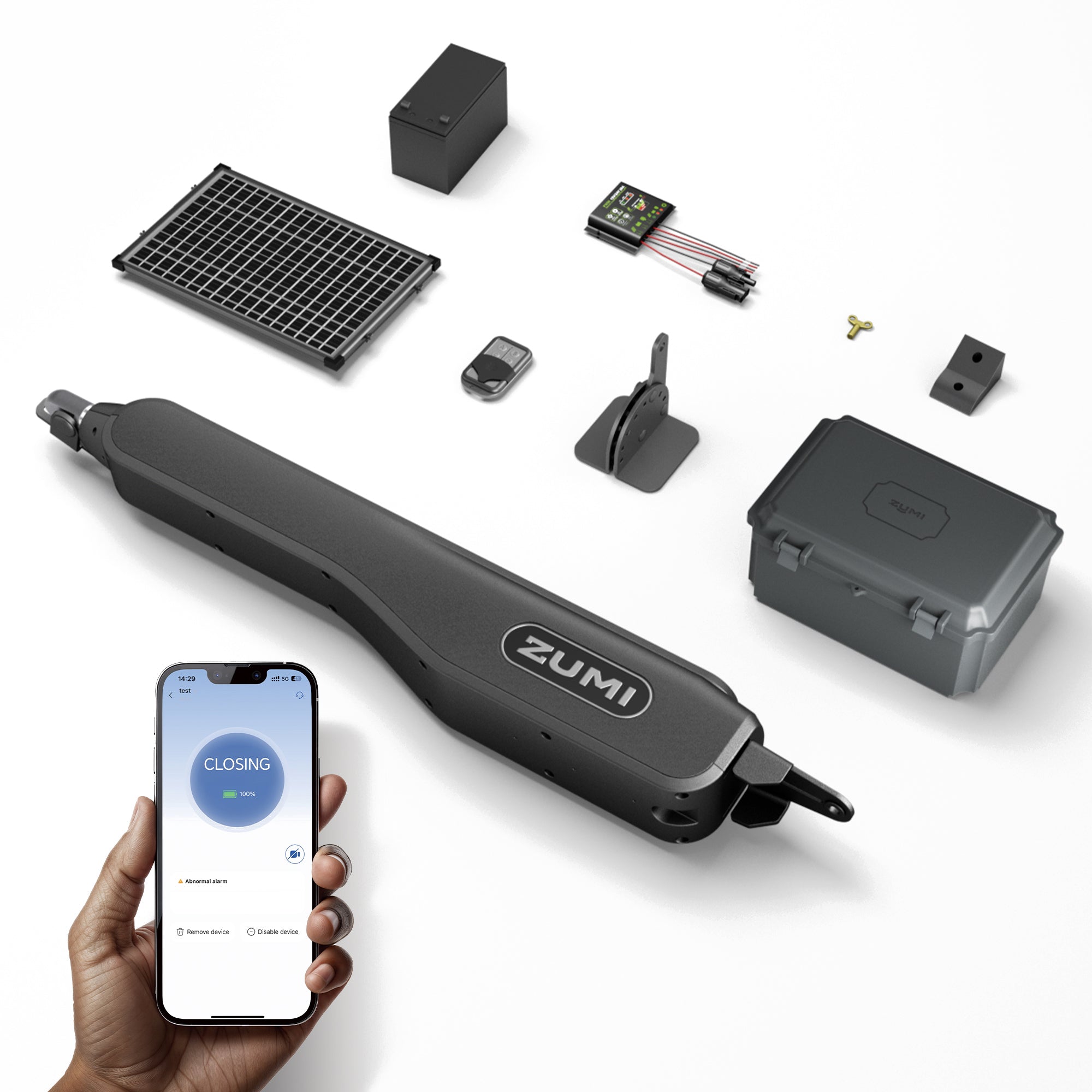 Zumi WS1 Pro 1100 lb. Solar Heavy Single Swing Gate Opener with Battery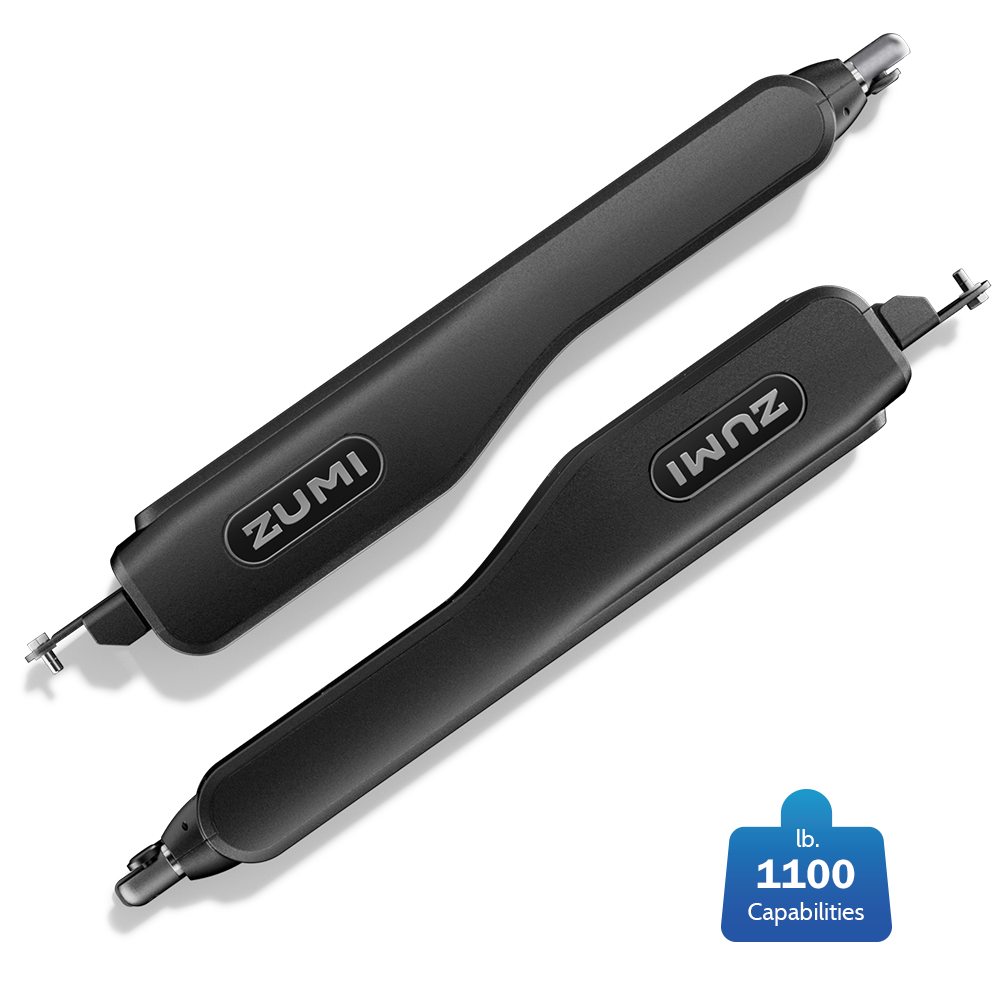
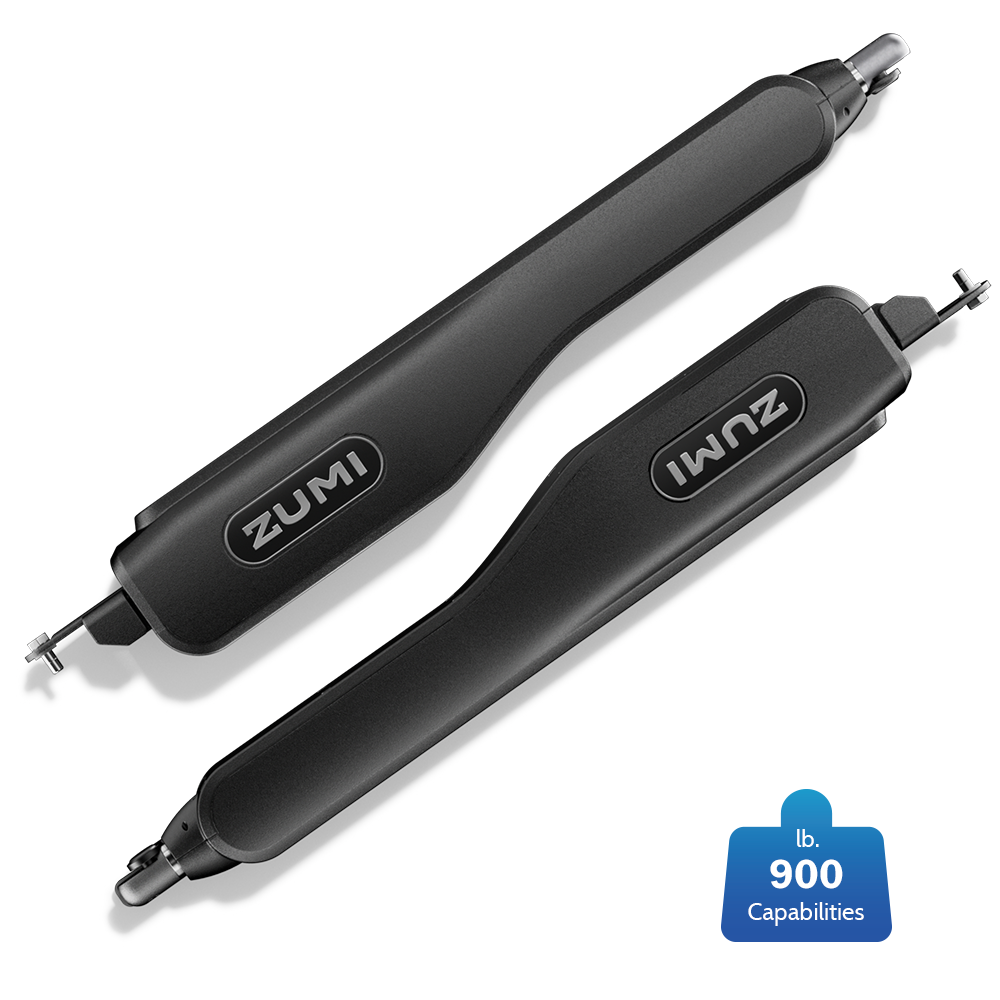
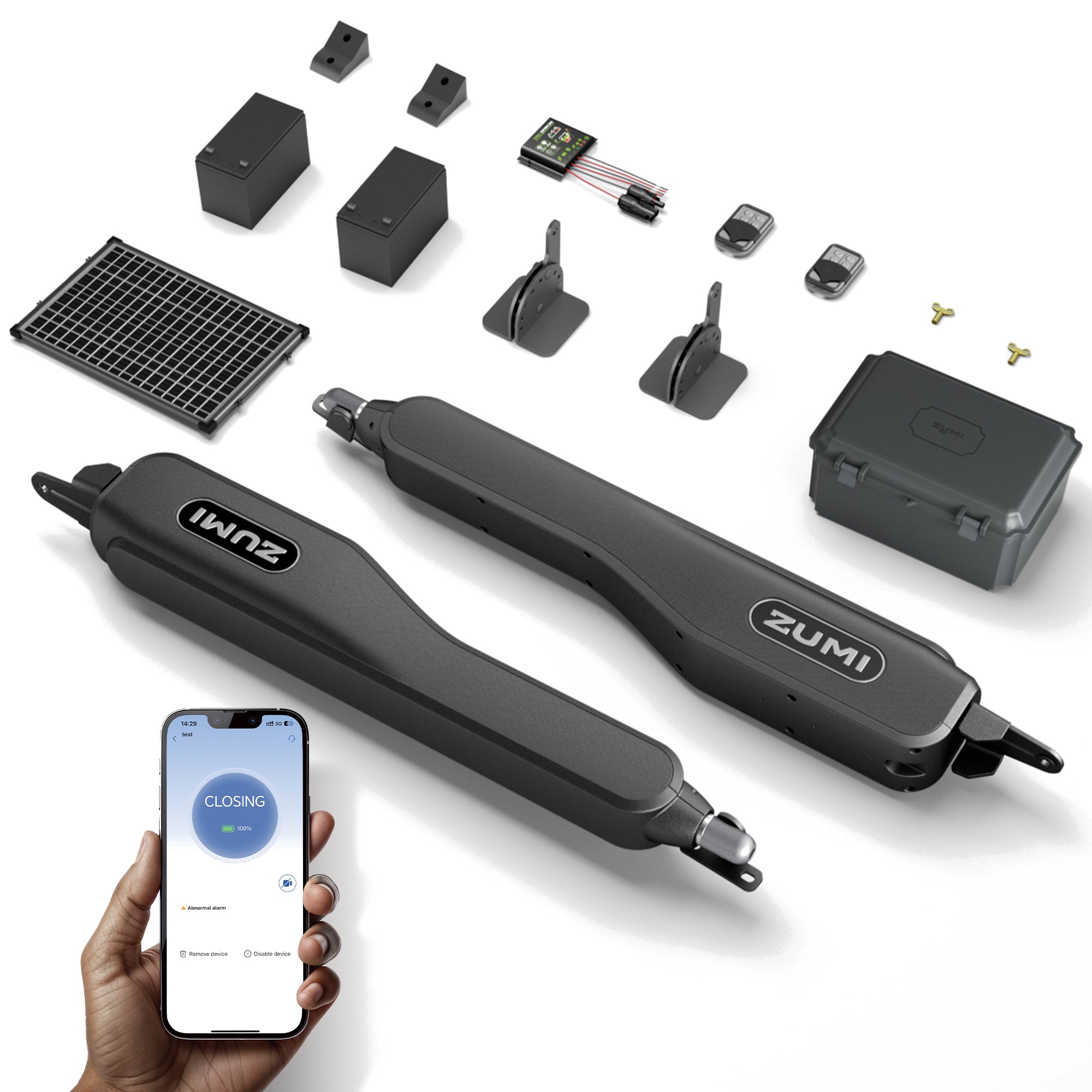 Zumi WS2 Pro 1100 lb. Solar Heavy Dual Swing Gate Opener with Battery