Choosing a garage door opener starts with understanding that it is not just a motor, but a system that must match your door weight, door type, noise preference, and smart features needs. Modern garage door openers also offer features like Wi-Fi control, Bluetooth, smartphone apps, and smart home integration, making them an important part of a connected home.
Garage Door Weight
Choosing an automatic garage door opener based on door weight is one of the most important steps because the motor’s horsepower (HP) must match how heavy and wide your door is. Even though garage door springs do most of the lifting, the opener still needs enough power to move the door smoothly and without strain.
Always size up slightly if you are unsure. A stronger motor will not “overpower” your door because the springs handle most of the lifting. Instead, a higher-rated opener simply works with less strain, lasts longer, and operates more smoothly over time.
Light Garage Doors (150–200 lbs): 1/3 HP to 1/2 HP
For lightweight doors made of aluminum or fiberglass, usually found on small single-car garages, a 1/3 HP to 1/2 HP garage door opener is typically enough. These doors don’t require much lifting force, so a lower-power motor can operate efficiently without being overworked. This range is ideal for simple, non-insulated doors that are used a few times per day.
Standard Residential Garage Doors (200–350 lbs): 1/2 HP
Most residential garage doors fall into this category, including standard steel single or double doors. A 1/2 HP residential garage door opener is usually the best fit here because it provides a balance of power, durability, and cost. It is the most commonly recommended size for everyday homes, as it can handle typical door weight without excessive strain.
Medium-Heavy Garage Doors (350–600 lbs): 3/4 HP
If your garage door is insulated, wider, or made of heavier steel, you’ll need more lifting power. In this case, a 3/4 HP garage door opener is recommended. This level of power ensures smoother operation and reduces wear on the motor, especially for double doors or doors that are used frequently.
Heavy Garage Doors (600–750+ lbs): 1 HP
For large, custom, wood, or RV-sized doors, you should choose a 1 HP or higher heavy dutygarage door opener. These doors place significantly more load on the heavy duty garage door opener system, so a stronger motor is necessary to avoid slow performance, overheating, or early failure. Heavy insulated wood doors especially benefit from higher horsepower industrial garage door openers.
Weight Is More Important Than Size
One of the most important things to understand is that door weight matters more than door width. A small solid wood door can be heavier than a wide aluminum one. That’s why insulation, material, and construction are critical factors when selecting an opener.
Type of Garage Door Opener
Choosing a garage door opener by door type is important because each drive system and mounting style is designed for specific space conditions, noise expectations, and door mechanisms. Matching the opener to the door setup ensures smoother operation, longer lifespan, and fewer maintenance issues.
Chain Drive Garage Door Opener
Chain drive garage door openers use a metal chain to lift and lower the door. They are known for being strong, durable, and budget-friendly, which makes them one of the most common choices for residential garages. Because of their strength, they work well with heavier doors, but they are also the noisiest option and may produce vibration during operation.
Quiet Belt Drive Garage Door Opener
Belt drive garage door systems use a reinforced rubber belt instead of a chain. This makes them much quieter and smoother, which is ideal for garages attached to living spaces or bedrooms. They offer reliable performance for standard residential doors and are slightly more expensive than chain drives, but the reduced noise level is often worth it.
Screw Drive Garage Door Opener
Screw drive openers use a threaded steel rod to move the door instead of a chain or belt. They have fewer moving parts, which can mean less maintenance and strong lifting power. They also tend to perform well in moderate climates, but they can be affected by extreme temperature changes and are generally louder than belt drive garage door opener systems.
Quiet Direct Drive Garage Door Opener
Direct drive garage door systems have a unique design where the motor itself moves along a fixed chain or track. This reduces vibration and mechanical wear, making them very quiet and reliable. Because there are fewer moving parts, they are often considered low-maintenance and long-lasting, but they usually come at a higher price point.
Quiet Jackshaft Garage Door Opener
Jackshaft garage door openers, also known as sidewinder / Low profile / Side Mount / Wall Mount Garage Door Openers, are mounted on the wall beside the garage door instead of hanging from the ceiling. They connect directly to the torsion bar and are ideal for garages with limited ceiling space, high ceilings, or storage needs. They are quiet, space-saving, and modern, but require a compatible torsion spring system and are typically more expensive than traditional openers.
Overhead Garage Door Opener
Overhead garage door openers are the traditional ceiling-mounted garage door opener systems that most people are familiar with. They can use chain, belt, or screw drive mechanisms and are suitable for most standard sectional garage doors. This type is widely available, easy to install, and compatible with most residential setups, making it the default choice for many homes.
Roll-Up Commercial Garage Door Opener
Roll-up garage doors operate differently from sectional doors, as they coil into a drum above the opening. These commercial garage door opener systems require specialized openers designed for vertical rolling motion. They are often used in commercial or compact spaces where overhead clearance is limited.
Vertical Garage Door Opener
Vertical lift garage door opener systems are designed for doors that rise straight up along vertical tracks before turning inward. They are typically used in high-clearance or industrial-style garages. These setups require more powerful and specialized openers due to the unique lifting angle.
Smart Garage Door Opener Features
Choosing a smart garage door opener based on advanced features is mainly about how well the system fits into your daily routine, your home setup, and your preferred smart home ecosystem. Instead of focusing only on horsepower or motor type, modern buyers should pay attention to Bluetooth, Remote Control APP, automation, integration, and security, since these define how “smart” the device actually is in real use.
Retrofit vs Wi-Fi Garage Door Opener
One of the first things to consider is connectivity. Many newer garage door openers come with built-in Wi-Fi, which allows direct connection to your home network without extra accessories. This Wi-Fi garage door opener system is usually more stable and easier to set up. On the other hand, some models rely on retrofit smart controllers that connect to older openers. These can be a cost-effective option, but they may have limitations depending on compatibility and signal reliability, especially if your garage is far from the router.
Remote Garage Door Opener with App Control
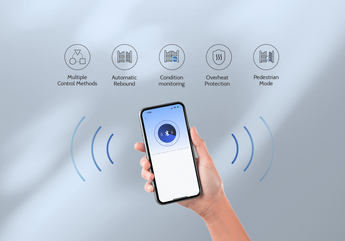
Remote access through a mobile app is another essential feature. A good remote garage door opener should allow you to open or close the door from anywhere, check its current status in real time, and view activity history. Notifications are also important, especially alerts that tell you if the door has been left open or has been accessed. These remote garage door openers add convenience but also improve awareness and security in everyday use.
Automation Features Like Geofencing and Scheduling
Automation features such as geofencing and scheduling significantly enhance convenience. Geofencing allows the garage door to open automatically when you approach home and close when you leave, using your phone’s location. Scheduling lets you set specific times for the door to close, such as at night or after work hours, reducing the risk of forgetting. These functions are especially useful for busy households where manual control is easy to overlook.
Smart Home Integration and Voice Control
Smart home integration is another key factor. Many users prefer garage door opener systems that work with platforms like Amazon Alexa, Google Home, or Apple HomeKit. This allows voice control and the ability to connect the garage door with other smart devices, such as lights, cameras, or alarms. For example, you can create routines where the garage door closes automatically when you activate your “good night” mode or when the security system is armed.
Security and Monitoring Features
Security and monitoring features should not be ignored when choosing a smart garage door opener. Advanced garage door opener systems may include encrypted communication, user access controls, and alerts for every open or close event. Some premium models even offer built-in cameras for live monitoring. These features are particularly useful for households that receive frequent deliveries or want tighter control over access.
Reliability and Safety Considerations
Finally, reliability and safety remain important even in smart garage door opener systems. A good automatic garage door opener should include safety reversal features that detect obstacles, as well as a battery backup so it can still operate during power outages. A strong and stable connection is also essential, especially if your garage is detached or far from the router.
Overall, choosing the right smart garage door opener depends on how much automation and control you actually want. Basic users may only need remote app control, while more advanced users may benefit from full smart home integration, automation routines, and enhanced security features.
Garage Door Opener FAQs
How to set an electric garage door opener in the car?
Setting an electric garage door opener in your car depends on whether your vehicle has a built-in system like HomeLink or a similar in-car remote feature. The goal is to “teach” your car’s buttons to communicate with your garage door opener.
First, sit inside your car and turn the ignition on (no need to start the engine). Locate the built-in garage control buttons, usually found on the overhead console near the rearview mirror or on the visor. Hold down the two outer buttons at the same time until the indicator light starts flashing—this clears previous settings.
Next, take your original garage door remote and hold it close to the car’s control buttons. Press and hold both the remote button and the car’s button you want to program at the same time. Keep holding until the car’s indicator light changes from slow blinking to rapid flashing, which means it has learned the signal.
After that, go to your garage door opener motor (mounted on the ceiling) and press the “Learn” or “Smart” button. Within about 30 seconds, return to your car and press the programmed button once or twice until the garage door responds. This step syncs the car with the actual garage door opener system.
Once completed, test the button to make sure it opens and closes the door properly. If it doesn’t work, repeat the process or check if your garage door opener system requires a compatibility bridge, which some older garage door openers need for modern in-car systems.
What HP garage door opener do I need?
The horsepower (HP) you need for an electric garage door opener depends mainly on your door’s size, weight, and material, not just the door width. For most homes, a ½ HP electric garage door opener is enough for standard single or light double doors, while a ¾ HP electric garage door opener is better for heavier or insulated double doors, and a 1 HP or higher is used for very heavy wood, oversized, or high-use doors.
How much should an automatic garage door opener cost to install?
The cost to install an automatic garage door opener in the U.S. typically ranges from about $300 to $900 total, depending on the type of automatic garage door opener and the complexity of the installation.
Basic chain-drive models with simple replacement jobs are usually on the lower end at around $300–$500, while mid-range belt-drive or smart Wi-Fi automatic garage door openers generally fall between $500–$800 installed.
More advanced garage door opener systems, such as wall-mounted (jackshaft) automatic garage door openers, heavy-duty units, or installations that require new wiring or structural adjustments, can cost $800–$1,200 or more.
How to change the battery in the electric garage door opener?
Changing the battery in an automatic garage door opener depends on whether you are replacing the remote battery, wall keypad battery, or backup battery in the motor unit, but the process is generally simple.
For a remote control or keypad, first locate the small screw or slide-off cover on the back, open it carefully, remove the old coin cell or AAA/AA batteries, and replace them with the same type while matching the correct polarity (+/–).
For the main opener backup battery (common in smart automatic garage door openers), unplug the garage door opener from power, open the light or battery cover on the motor unit, disconnect the old battery, and install the new one by reconnecting the terminals securely before closing the cover.
After replacement, plug the unit back in and test the garage door opener system to make sure the door opens and closes normally. If the battery is part of a smart system, you may also need to reset or confirm battery status through the mobile app.
How does an automatic garage door opener work?
An automatic garage door opener works by using an electric motor to move a chain, belt, screw, or direct-drive garage door opener system that pulls a trolley along a rail attached to the garage ceiling. This trolley is connected to the door, so when it moves, the door opens or closes. The door’s springs do most of the heavy lifting, while the automatic garage door opener controls the movement. It is activated by a remote, wall button, or smartphone app, and safety sensors stop or reverse the door if something is in the way.
How to program an automatic garage door opener keypad?
Programming an automatic garage door opener keypad is usually a simple process, but the exact steps can vary slightly depending on the brand. In most cases, you first locate the “Learn” button on the garage door opener motor unit, which is typically mounted on the ceiling of your garage. Press and release this button—an indicator light will usually turn on or start blinking, showing the garage door opener system is in programming mode.
Next, within about 30 seconds, go to the keypad outside the garage and enter your desired 4-digit PIN. After entering the code, press the Enter or Send button. The electric garage door opener should respond by flashing lights or moving slightly, confirming that the keypad has been successfully programmed.
Once it’s set up, test the keypad by closing the garage door and entering your PIN again to make sure it opens correctly. If it doesn’t work, repeat the steps and ensure you are within the programming time window after pressing the Learn button.
If your keypad is new or has been reset, you may need to also clear old codes first by holding the Learn button for a few seconds until the indicator light turns off, then reprogram it from scratch.
How much is an electric garage door opener?
An electric garage door opener typically costs around $300 to $900 installed in the U.S., depending on the model and features. The electric garage door opener unit itself usually ranges from $150 to $500, while professional installation adds about $150 to $400. Basic chain-drive models are the most affordable, while quieter belt-drive, smart Wi-Fi, or wall-mounted garage door opener systems cost more.
Overall, most homeowners spend about $400 to $800 for a standard, fully installed garage door opener, with higher-end setups going beyond $1,000 if advanced features or complex installation are required.