
The mistake many people make when choosing between a solar gate opener and an electric gate opener is to think that it is about whether or not electric power is available. However, it is not as simple as going electric if you have power nearby, and going solar if you don't.
The reality is that your automatic gate opener becomes something you rely on every single day. Choosing the wrong type can mean slow operation, reliability issues, or unnecessary installation costs. Taking a few minutes to compare solar and electric options properly can save you a lot of frustration later.

Solar vs Electric Gate Openers for Driveway Gates
1. Check Power Availability
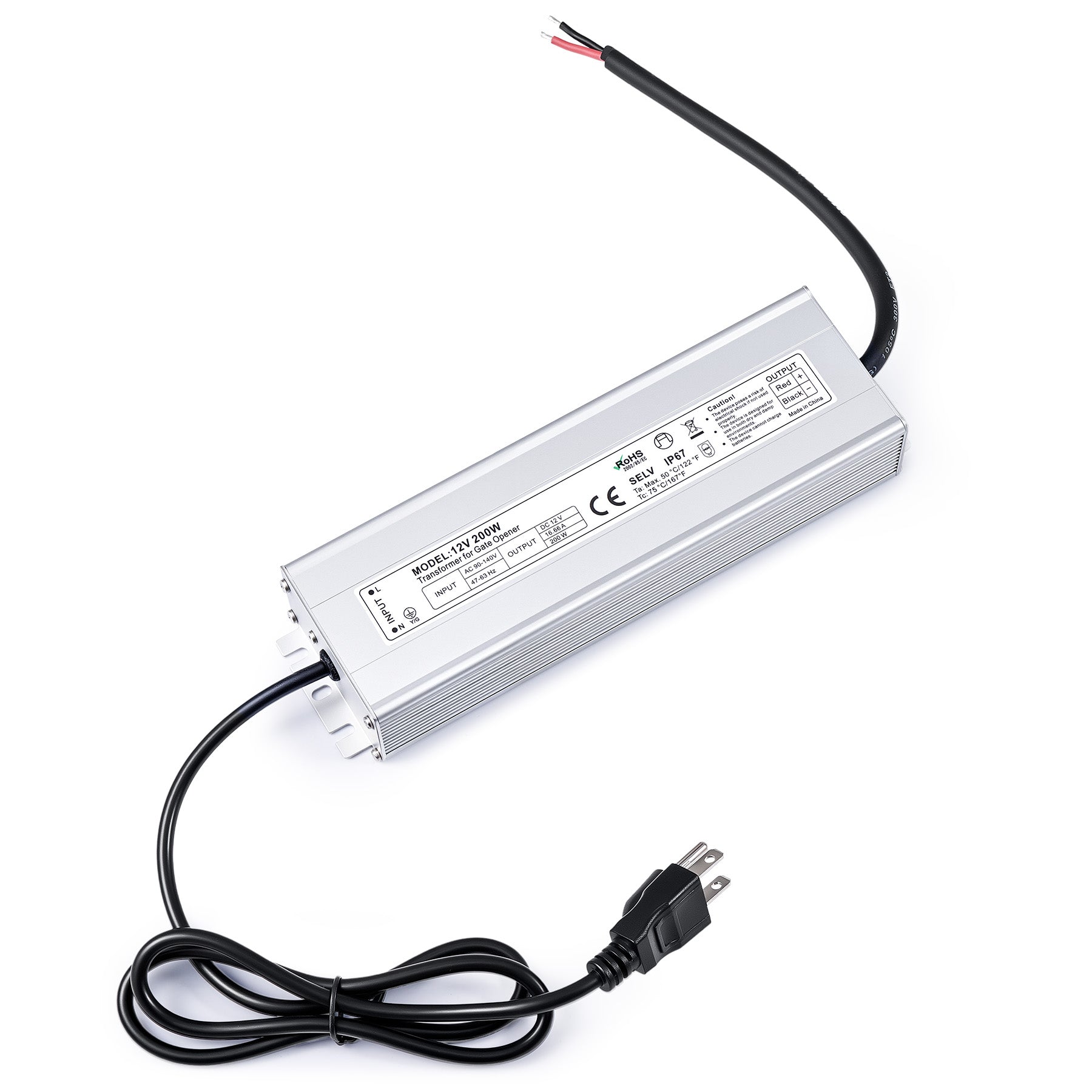
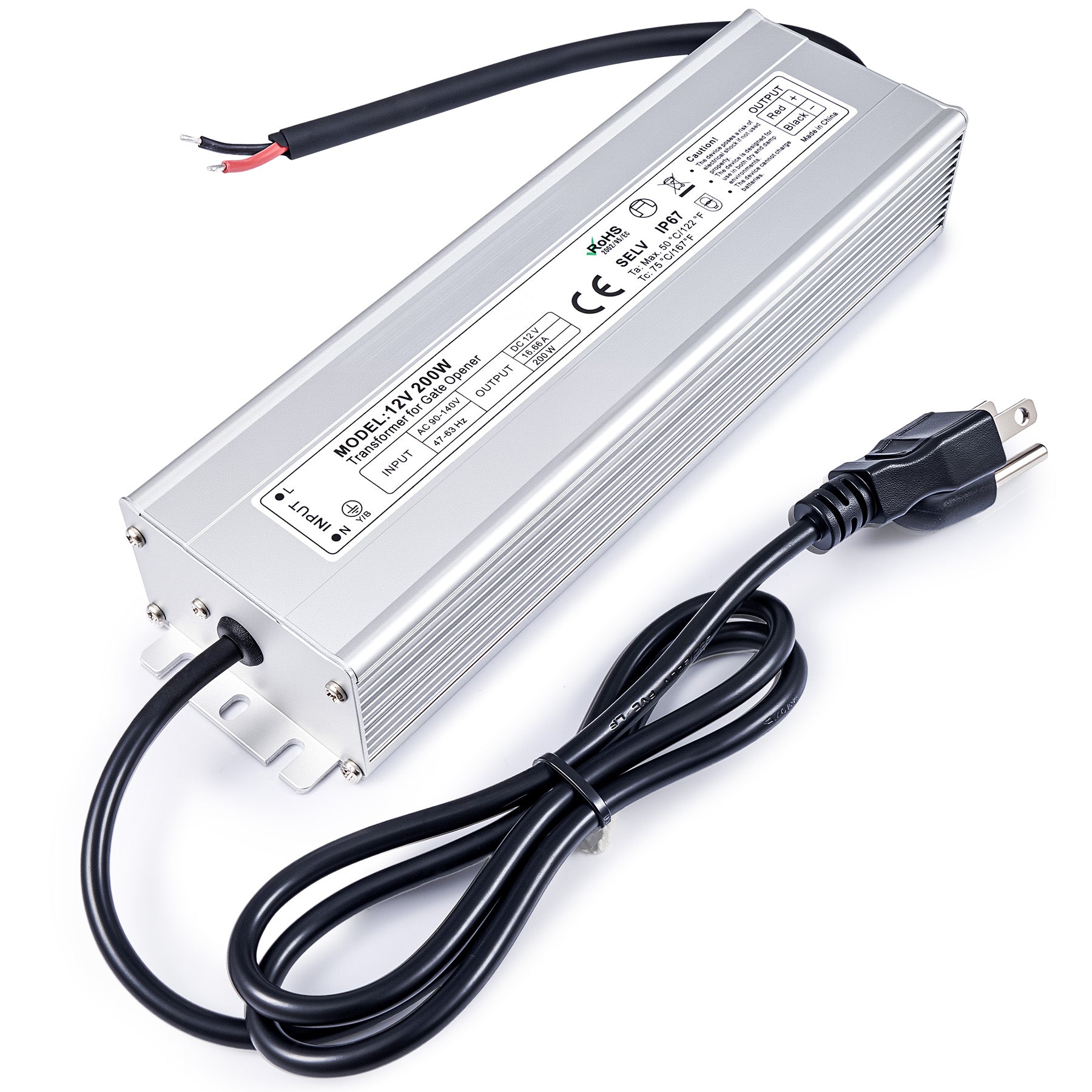
Your gate opener needs a consistent power source. How easy (or expensive) it is to provide is a crucial factor that will determine which is more feasible or wise, especially if you are installing a gate far from the house, driveway entrance, or main power line. Lean towards a solar gate opener if electrical wiring is impractical or expensive where you are. Choose electric if you already have easy access to power nearby
2. Take Into Account Installation Cost
Gate opener installation costs alone are a significant part of the overall cost of a gate opener. If you are working on a budget, this is a crucial deciding factor.
- Installing a solar gate opener is cheaper since there is no need to dig trenches and wiring, which can save a lot upfront
- Installing an electric gate opener is often cheaper only if power is already in place.
The essential element here is how close or far away the gate is from its main power source. Overall, electric gates are more expensive to install than solar gate openers, but solar gate openers are more expensive to purchase than electric gate openers.
So, always compare the two prices, and do some estimates to find which is the more affordable option in your scenario.
3. Daily Usage Frequency
How often your gate opens affects how much power you need, which in turn determines the overall costs to run the gate opener.
- Electric for high-traffic gates (consistent, unlimited power)
- Solar for moderate to low usage (depends on battery storage and sunlight)
Busy households, shared driveways, or properties with frequent deliveries.
4. The Degree of Sunlight Exposure
Solar systems rely on sunlight to recharge batteries, which means they may not be a good idea if you have a shaded driveway, trees, or a north-facing gate.
- Choose a solar gate opener if your gate gets strong, direct sunlight most of the day
- If your driveway is shaded or inconsistent in sun exposure, go for an electric gate.
5. Reliability and Backup
You don’t want to get stuck outside (or inside) your own property, especially if you live in an area with power outages or extreme weather. A solar gate opener kit often includes battery backup by default, but an electric system may need an additional battery backup system
6. Maintenance and Long-Term Use
Different gate opener systems require different kinds of upkeep. A solar gate opener requires occasional battery replacement and panel cleaning. Electric automatic gates generally require less attention, but depend on grid power.
7. Environmental Impact
If you are an eco-conscious buyer for an off-grid property owner, this could be a make-or-break factor. Some homeowners prioritize energy efficiency and sustainability. Choose solar for renewable, off-grid operation, and electric if sustainability isn’t a primary concern of yours.

When a Solar Gate Opener Is the Better Choice
A solar gate opener is usually the better option when power access is limited, and sunlight is reliable. In the following specific situations, a solar gate opener simply makes more sense for a driveway gate:
- For a long rural driveway where running power lines would be expensive
- An off-grid property with no electrical infrastructure
- For gates in areas with frequent power outages (solar systems keep working via battery)
- For driveway gates with low to moderate daily use (a few openings per day, not constant traffic)
- Environmentally focused setups where reducing energy use matters
If you go solar, aim for a setup that includes a high-efficiency solar panel (or dual panels for faster charging), a large-capacity battery for cloudy days, smart power management to prevent drain, smooth, consistent motor performance even at lower charge levels, and optional hybrid capability (solar + AC backup if needed).
When Is An Electric Gate Opener the Better Choice?
An electric gate opener is the better option when you need consistent, high-performance operation and already have access to power. Here are five specific situations where you need an electric gate opener:
- High-traffic households (multiple cars, frequent entries/exits)
- Shared driveways or small communities
- Heavy gates that require more consistent power
- Shaded properties where solar would struggle
- Urban or suburban homes with easy electrical access
If you go electric, look for a powerful, quiet motor that matches your gate size and weight, fast and smooth opening speed, and a reliable control system (remote, keypad, or smart integration), and with a battery backup for outages.

The Bottom Line
This decision isn’t about which system is “better”; it’s about which one fits your property. Choose solar if you value flexibility, lower installation costs, and off-grid reliability, and choose electric if you need consistent power, high usage capacity, and zero dependence on sunlight
Get this right, and your gate opener becomes something you never have to think about again, which is exactly how it should be. Consider the 4 best driveway gate openers available this year!