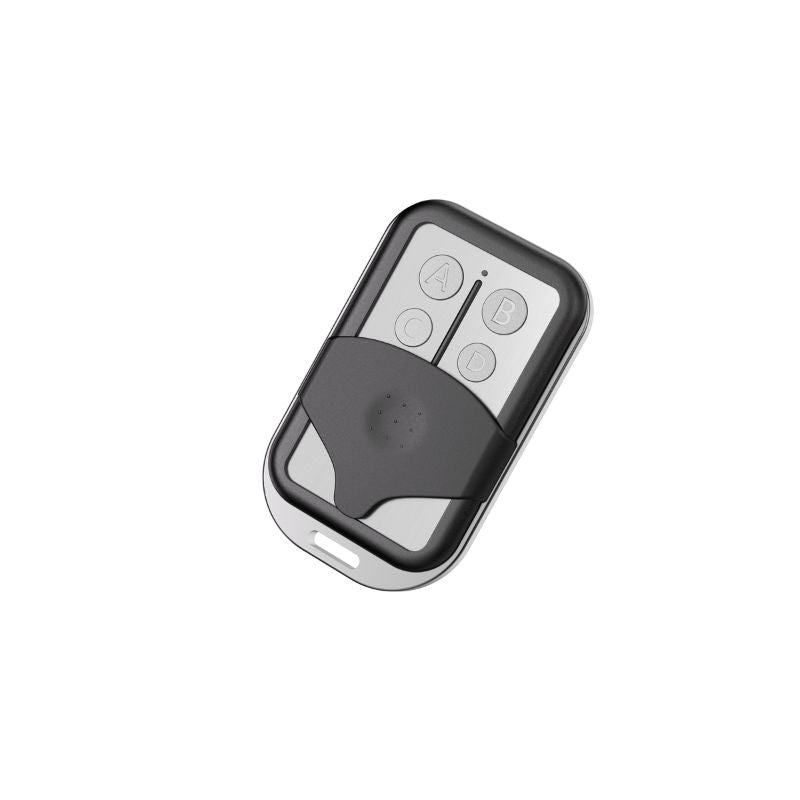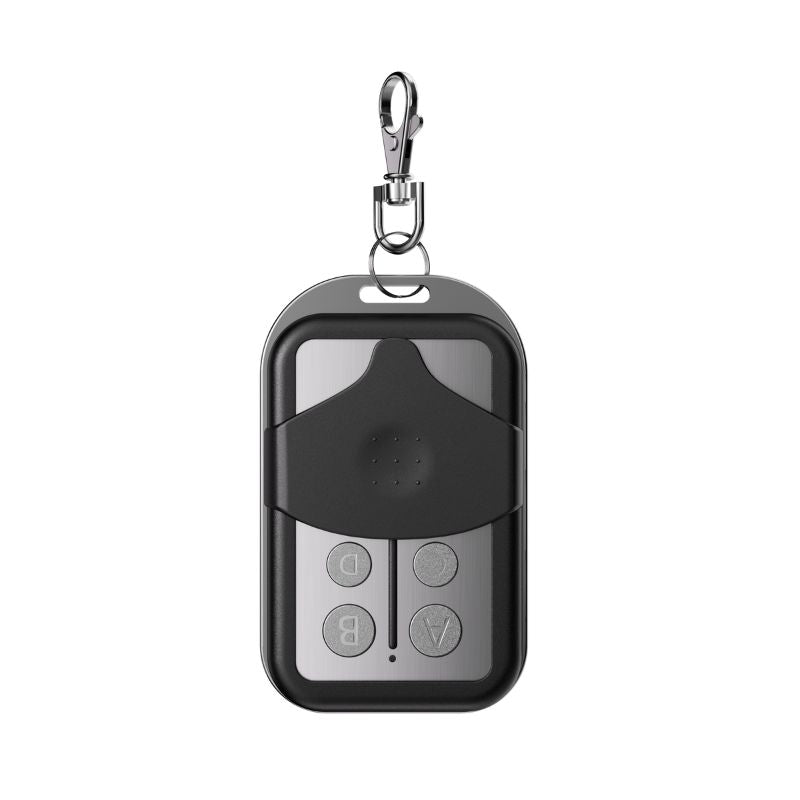

A gate opener is an automated system designed to open and close gates using an electric motor and mechanical arm mechanism. Instead of manually pushing or pulling a heavy gate, the system responds to signals from a remote control, keypad, smartphone app, or sensor to operate the gate automatically.
A swing gate opener is commonly used in residential driveways, commercial entrances, and rural properties to improve convenience, security, and access control. Understanding how a swing gate opener works helps users choose the right system and use it more effectively.
What Is a Swing Gate Opener?

A swing gate opener is an automated system designed to open and close swing-style gates without the need for manual effort. It uses an electric motor and mechanical arms to move the gate panels inward or outward, depending on the gate’s design.
These systems are commonly installed as both single swing gate openers and double swing gate openers, depending on whether the gate has one or two panels. They can be controlled through remotes, keypads, sensors, or smart home systems. By automating the opening process, swing gate openers significantly improve both convenience and security for property access.
Swing Gate Opener vs. Sliding Gate Opener

When compared to sliding gate openers, swing gate openers operate differently in both movement and installation requirements.
Swing gates open by rotating on hinges, either inward or outward, which requires sufficient clearance space in the direction of movement. In contrast, sliding gate openers move the gate horizontally along a track, making them ideal for properties with limited space in front or behind the gate.
Swing gate systems are generally easier to install and are often more visually traditional, while sliding gates are preferred for wider entrances or areas with uneven terrain. Ultimately, the choice between the two depends on available space, gate design, and user preference.
How Does a Swing Gate Opener Work?
A swing gate opener works by combining an electric motor, a mechanical arm system, and a control unit to automate the opening and closing of a gate. When a user activates the system through a remote control, keypad, smartphone app, or sensor, the opener receives the signal and triggers the motor to begin movement. This process allows the gate to open or close smoothly without manual force.
Basic Working Principle
At its core, a swing gate opener operates through a simple but efficient mechanical and electrical coordination system.
Electric Motor Drives the Arm Actuator
The electric motor is the main power source of the system. Once activated, it powers the arm actuator (also known as a gate arm or ram). This arm is physically connected to the gate and is responsible for pushing or pulling it open and closed. Depending on the design, the actuator may extend or retract in a linear motion, or move through a jointed mechanism to create the required force.
Control System Receives Signals
The control board acts as the “brain” of the system. It receives input signals from different access methods such as remote controls, wall switches, keypads, intercom systems, or smartphone apps. Some advanced systems also integrate motion sensors, RFID readers, or vehicle detection loops. Once a valid signal is received, the control board sends instructions to the motor to start operation.
Power Transmission Process
After activation, electrical energy from the power supply is converted into mechanical motion by the motor. This motion is then transferred through gears, hydraulic pressure (in some models), or a screw-driven mechanism inside the actuator. The actuator converts this energy into controlled linear movement, which applies force to the gate panel. As the arm extends or retracts, it smoothly rotates the gate on its hinges until it reaches the fully open or fully closed position. At that point, built-in limit switches or sensors stop the motor to prevent over-travel and ensure safe operation.
Key Components
A swing gate opener is made up of several key components that work together to ensure smooth, safe, and reliable gate operation. Each part plays a specific role in the automation process, from receiving commands to physically moving the gate and ensuring safety during operation.
-
Motor
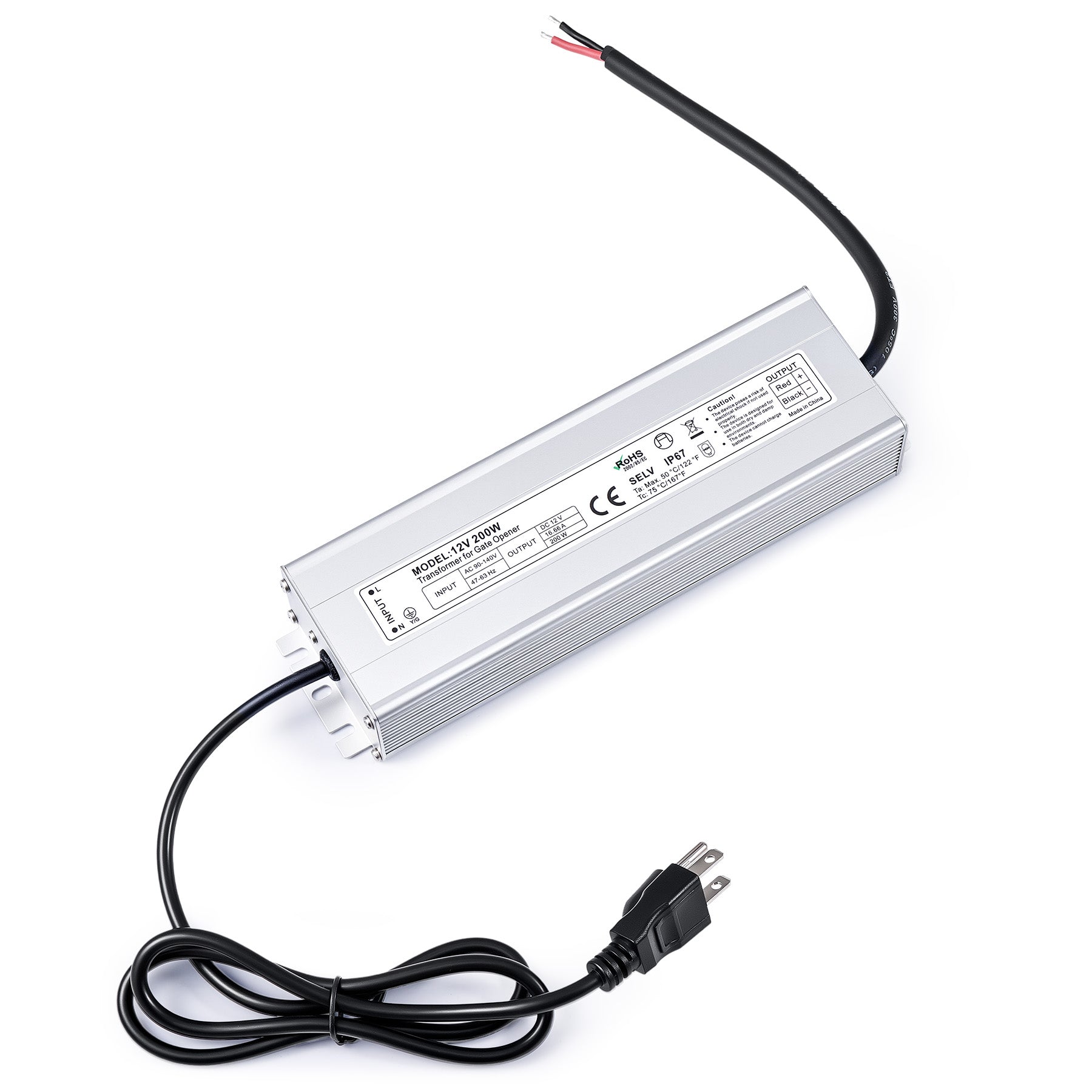
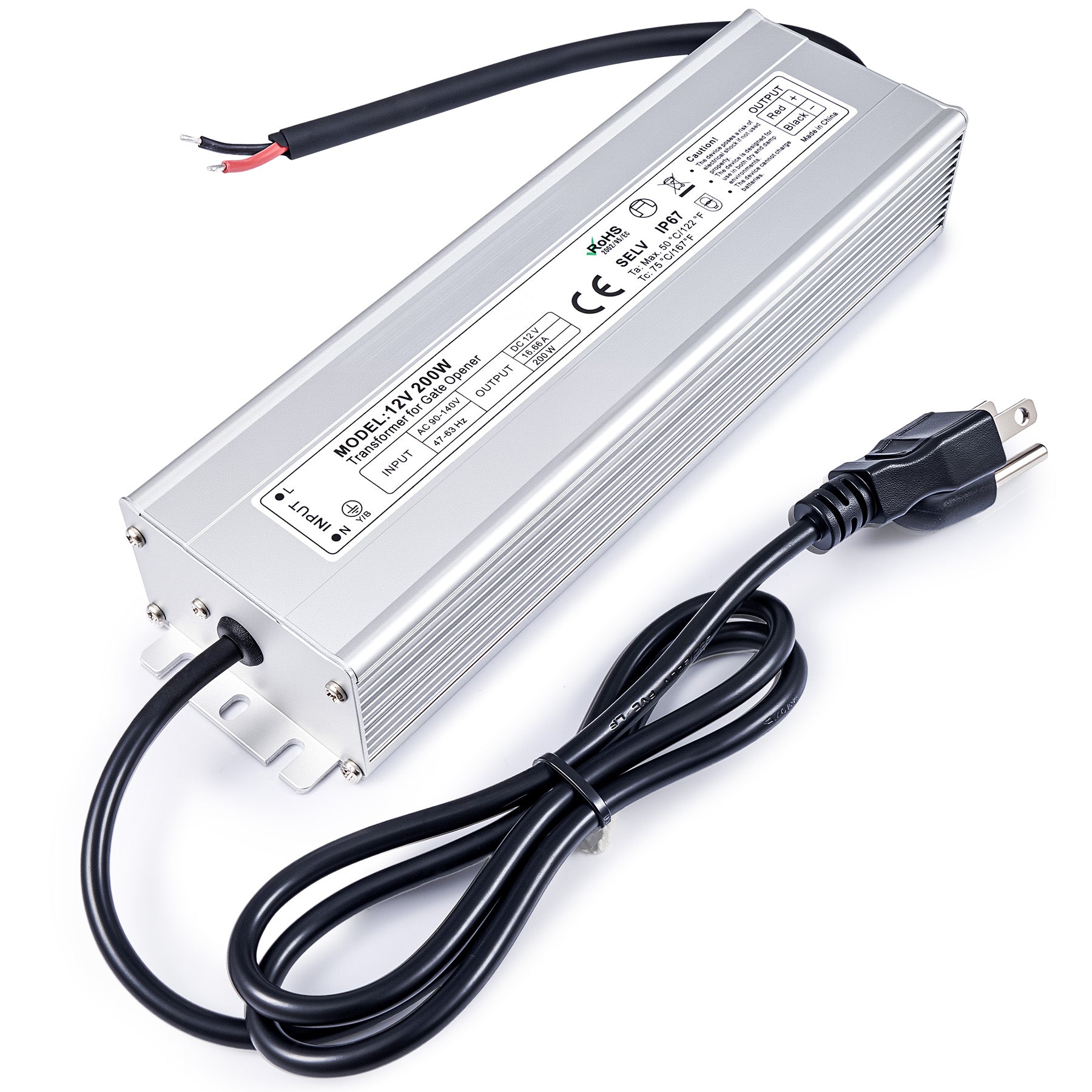
The motor is the core power unit of the swing gate opener. It generates the force needed to move the gate and is typically either AC or DC powered depending on the system design. DC motors are commonly used in residential systems because they offer smoother operation, lower noise, and backup battery compatibility, while AC motors are often found in heavier-duty or industrial setups. The motor converts electrical energy into mechanical motion, which drives the gate through the actuator system. Its power rating directly affects how heavy and large a gate the opener can handle.
-
Control Board
The control board acts as the central processing unit of the entire system. It interprets incoming signals from remotes, keypads, sensors, or smart devices and then instructs the motor on how to operate. It also manages important settings such as opening speed, closing delay, auto-close timing, and force sensitivity. In more advanced systems, the control board may include programmable logic, allowing users to customize access permissions, integrate smart home systems, or connect to security networks.
-
Gate Arm / Actuator
The gate arm, also known as the actuator, is the mechanical component that physically moves the gate. It connects the motor system to the gate leaf and translates rotational or hydraulic energy into linear motion. There are different types of actuators, such as linear screw-driven arms or hydraulic pistons, depending on the design of the opener. The actuator determines how the force is applied—either pushing or pulling the gate open or closed.
-
Sensors
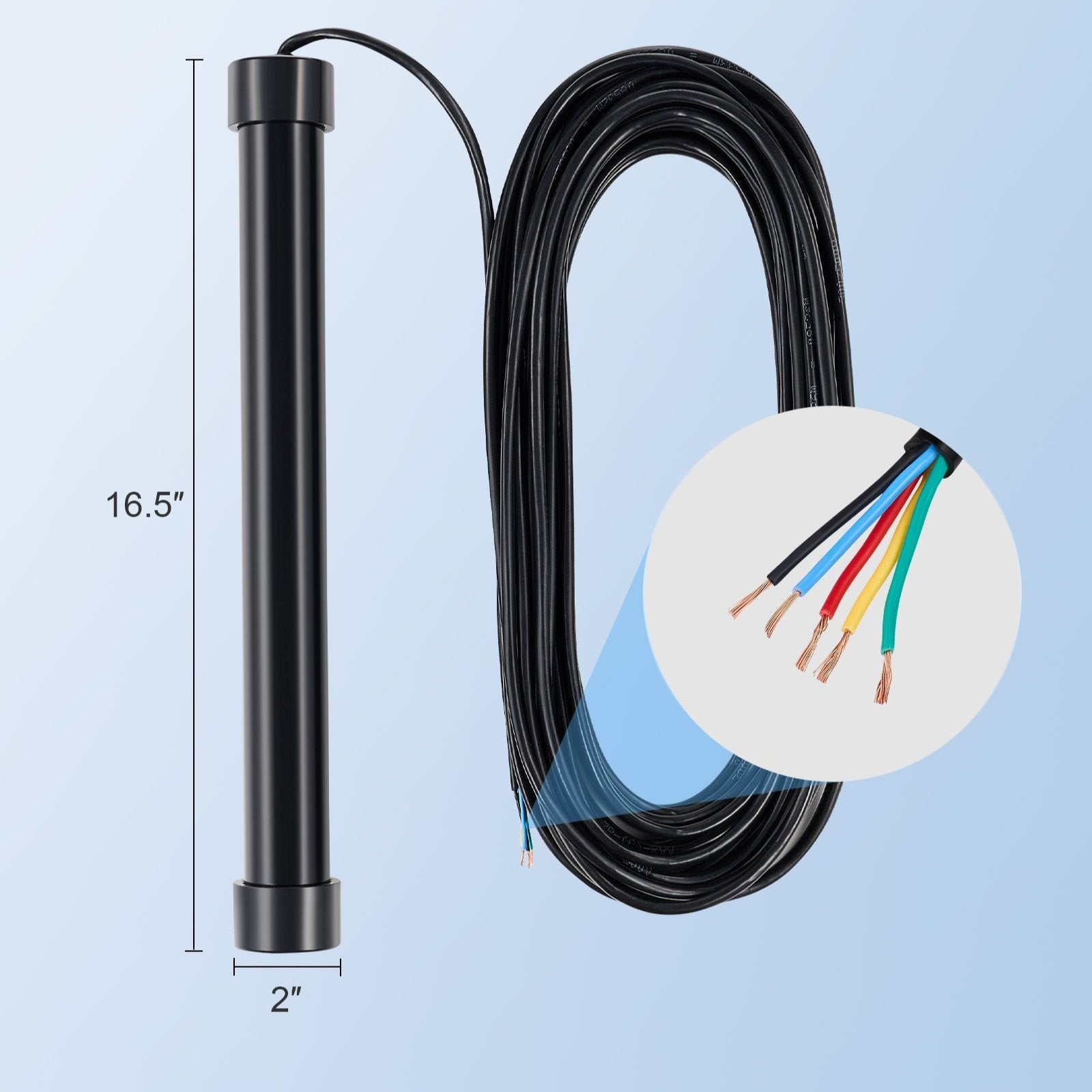
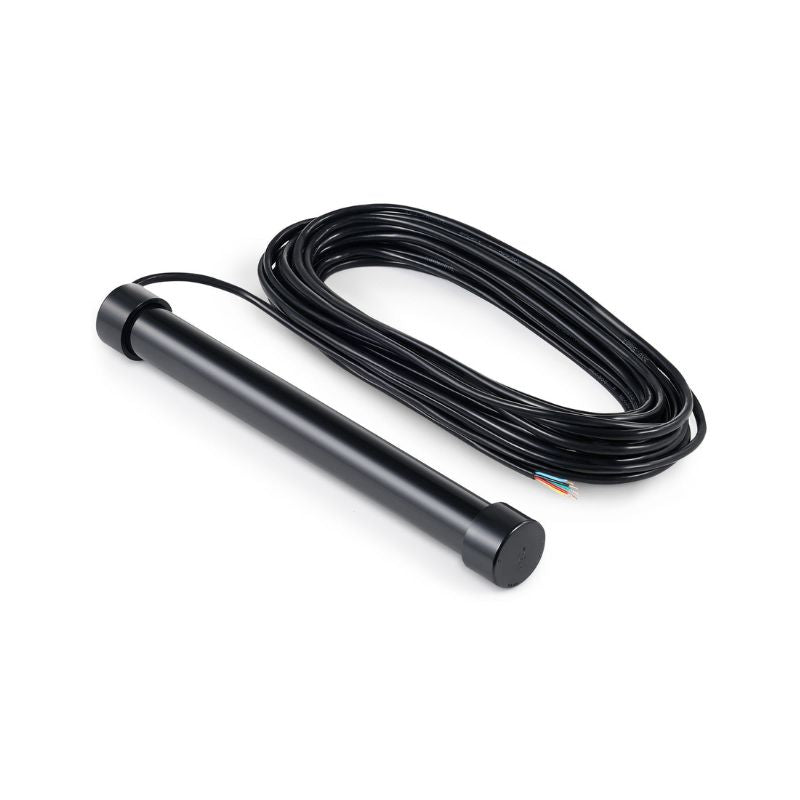
Safety sensors are essential for preventing accidents and ensuring secure operation. These may include infrared photoelectric sensors, obstacle detection systems, or pressure sensors. When an object, person, or vehicle is detected in the gate’s path, the sensors send a signal to the control board to stop or reverse the gate movement. This helps prevent injuries, vehicle damage, and mechanical strain on the system. Some advanced systems also include soft-start and soft-stop functions to reduce sudden movement and improve safety.
-
Remote Control / Access System
The access system is the user interface of the swing gate opener, allowing people to control the gate easily. Traditional systems use handheld remote controls or wall-mounted switches, while modern systems may include smartphone apps, Bluetooth, WiFi connectivity, or GSM modules for remote access. Additional access methods can include keypad entry, RFID cards, intercom systems, or even biometric scanners in high-security environments.
Opening and Closing Cycle
The opening and closing cycle of a swing gate opener follows a carefully controlled sequence designed to ensure smooth movement, accurate positioning, and safe operation. Although the system appears simple from the outside, each cycle involves coordinated actions between the control board, motor, and safety systems.
Opening Process
The opening cycle begins when the system receives a valid command from a remote control, keypad, smartphone app, or sensor. Once the control board verifies the signal, it immediately sends instructions to activate the motor.
The motor then starts running and drives the gate arm (actuator), which begins to push or pull the gate leaf away from the closed position. As the actuator extends or retracts, the gate rotates smoothly on its hinges.
During movement, the system continuously monitors speed and position to ensure stable operation. When the gate reaches its fully open position, built-in limit switches or position sensors signal the control board to stop the motor. This prevents over-travel and ensures the gate remains securely in the open position.
Closing Process and Safety Detection
The closing cycle follows a similar but safety-focused sequence. When a close command is issued, the control board activates the motor in the opposite direction, causing the actuator to retract or extend the gate back toward the closed position.
As the gate moves, safety systems become especially important. Infrared sensors, obstacle detection devices, or pressure-based systems continuously scan the gate path. If any obstruction is detected—such as a person, vehicle, or object—the system will immediately stop or reverse the gate movement to prevent accidents or damage.
Once the gate fully reaches the closed position, limit switches or encoder feedback signals confirm proper alignment. The motor then shuts off automatically, and some systems may engage a locking mechanism to secure the gate in place.
In advanced models, features like soft-close functionality may slow down the gate near the end of the cycle to reduce impact noise and mechanical wear, improving both safety and durability.
Types of Swing Gate Openers
Swing gate openers come in several different designs, each built to suit specific gate structures, installation environments, and usage requirements. Choosing the right type depends on factors such as gate weight, available space, aesthetics, and frequency of use.
Linear Arm (Ram-Style) Openers
Linear arm openers, also known as ram-style systems, are one of the most common types used in residential and light commercial settings. They operate using a straight telescopic arm that extends and retracts in a linear motion to push or pull the gate open.
This design is relatively simple, which makes it easy to install and maintain. The mechanical structure is compact and highly reliable, making it a popular choice for standard driveway gates. However, linear arms require proper alignment and sufficient clearance behind the gate post to function efficiently. They are best suited for gates with moderate weight and regular daily use, especially in homes and small properties.
Articulated Arm Openers
Articulated arm openers use a multi-joint mechanical arm system that mimics the movement of a human elbow. This design allows the opener to work effectively even when installation space is limited or when large gate pillars block direct alignment.
Because of their flexible structure, articulated arms are highly adaptable and can handle complex installation scenarios where linear arms would not fit. They are especially useful for gates mounted on wide or decorative columns. While they offer excellent flexibility, they may require more precise installation and slightly more maintenance due to the additional moving joints.
Underground (Subterranean) Openers
Underground swing gate openers are installed below ground level, with only the mechanical connection point visible at the gate hinge. This makes them one of the most aesthetically pleasing options, as the entire drive system is hidden from view.
These systems are often used in high-end residential properties or locations where visual appearance is a priority. They also provide strong performance and smooth operation. However, because the mechanism is exposed to moisture, dirt, and temperature changes underground, they typically require higher-quality sealing and more regular maintenance. Installation is also more complex and costly compared to surface-mounted systems.
Electromechanical vs Hydraulic Systems
Swing gate openers can also be categorized based on their drive technology: electromechanical and hydraulic systems.
Electromechanical systems use an electric motor and mechanical components such as gears or screws to move the gate. They are widely used in residential and light commercial applications due to their affordability, ease of installation, and low maintenance requirements. These systems are efficient for moderate gate sizes and typical daily usage.
Hydraulic systems, on the other hand, use fluid pressure to generate movement. They are designed for heavy-duty applications and can handle much larger and heavier gates with continuous use. Hydraulic openers are known for their strength, durability, and smooth operation under high loads.
However, they are more expensive and generally require professional installation and maintenance. For this reason, they are commonly used in industrial facilities, large estates, and high-traffic entrances.
Power Sources and Control Options
Swing gate openers rely on different power sources and control technologies to operate efficiently and adapt to various installation environments. The choice of power system and control method directly affects performance, reliability, and user convenience.
AC vs DC Power Systems
Swing gate openers typically run on either AC (alternating current) or DC (direct current) power systems.
AC-powered systems are commonly used in heavier-duty or commercial installations. They provide stable and continuous power, making them suitable for gates that require strong and consistent force. However, AC systems usually depend entirely on grid electricity, which means they may stop working during power outages unless a backup system is installed.
DC-powered systems are more popular in residential applications because they are more energy-efficient and flexible. They often include built-in battery backup, allowing the gate to continue operating even when the main power supply is interrupted. DC systems also tend to offer smoother start and stop motion, which reduces wear on mechanical components and improves overall safety and quietness.
Solar-Powered Gate Openers
Solar-powered swing gate openers are an increasingly popular solution, especially in remote locations or areas where wiring to the main power grid is difficult or expensive. These systems use solar panels to charge a battery, which then powers the gate opener.
The main advantage of solar systems is energy independence—they can operate without relying on external electricity. This makes them ideal for farms, rural properties, and eco-friendly installations. However, their performance depends on sunlight availability, so they require properly sized solar panels and battery storage to ensure consistent operation during cloudy days or nighttime use.
Smart Control Options (WiFi, App Control, Keypads)
Modern swing gate openers increasingly feature smart control technologies that enhance convenience and security.
WiFi and app-based control systems allow users to operate the gate remotely using a smartphone. This enables real-time access control, status monitoring, and even integration with smart home systems. Users can open or close the gate from anywhere, making it especially useful for deliveries or guest access.
Keypad entry systems provide secure access through a PIN code. They are commonly installed at gate entrances and are ideal for households or businesses with multiple authorized users. Some systems also support temporary codes for visitors or service providers.
In addition, advanced setups may include Bluetooth connectivity, RFID card readers, or GSM modules that allow control via mobile networks. These options provide layered security and flexible access management, making swing gate systems more intelligent and user-friendly than ever before.
Conclusion
A swing gate opener works by converting electrical energy into controlled mechanical motion through a motor, control board, and actuator system. Once activated, it smoothly opens or closes the gate while built-in sensors ensure safe operation by detecting obstacles and preventing accidents.